To research a coin's value, identify it exactly, work out what its metal is worth, judge its condition honestly, and then look it up in a price guide and in auction records for the same grade. The result is a range, not a single number. Knowing which kind of number each source gives you is what makes a dealer's offer make sense when you hear it.
This guide walks through those steps, the free and paid tools for each, and the table every seller should keep in mind: what melt value, price guides, auction records and asking prices actually measure.
Step 1: Identify the Coin Exactly
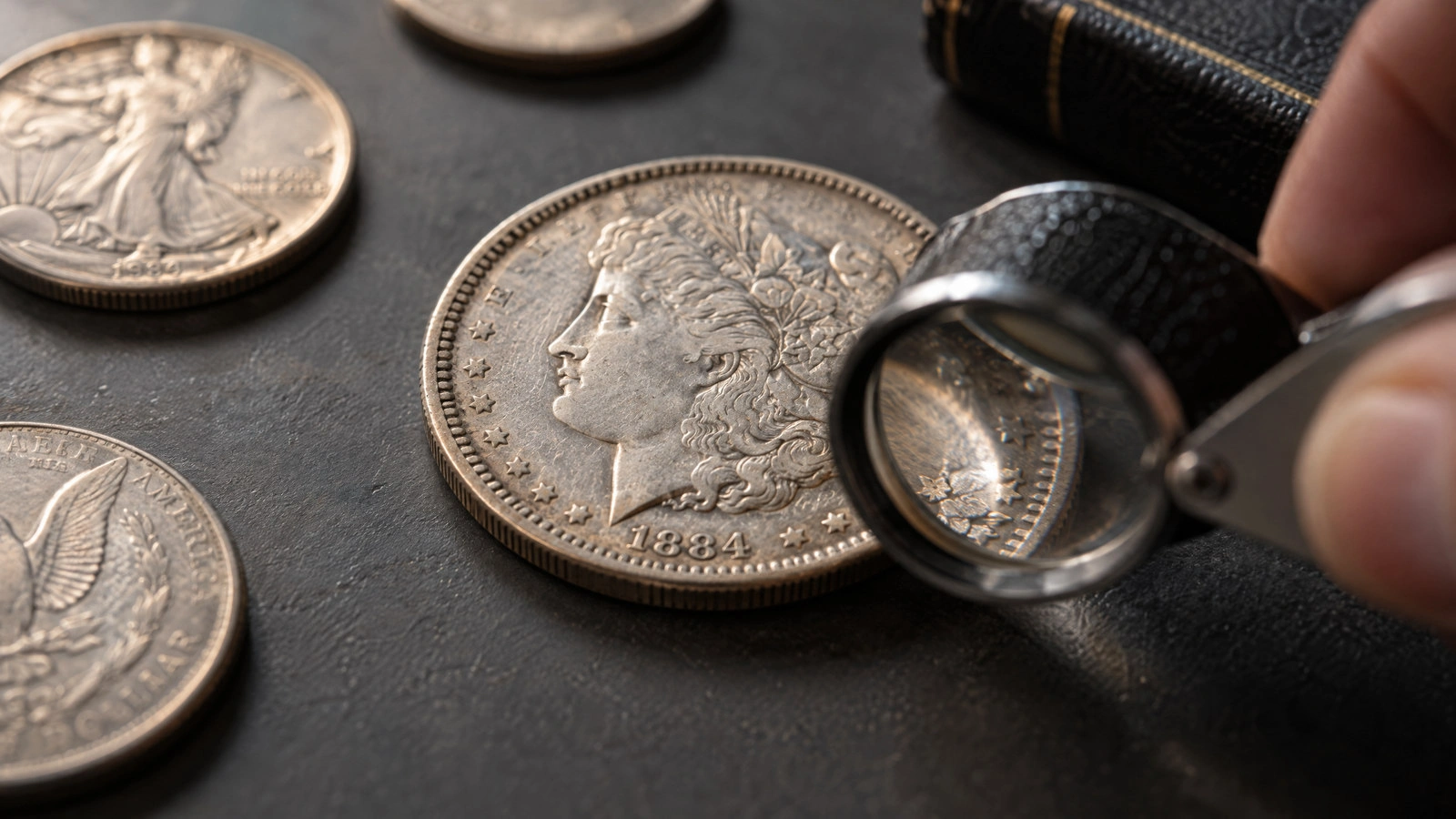
A coin's value starts with its exact identity: denomination, date, mint mark and variety. Two coins with the same date can be worth very different amounts because one was struck at Philadelphia and the other at San Francisco or Carson City, and some dates exist in varieties that only a close look reveals.
Write down what is on the coin before you look anything up. A variety is a recognized die difference, such as an overdate or a doubled die, within the same date and mint mark.
NGC Coin Explorer gives images, specifications and mintage figures for every US coin, and NGC states that access is free to all users. Use it to confirm you have the right coin and to see whether your date has a known variety worth checking for.
Step 2: Work Out the Melt Value
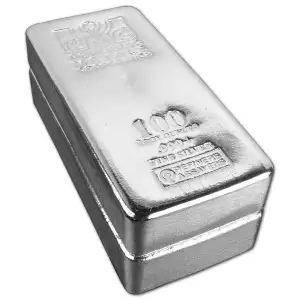
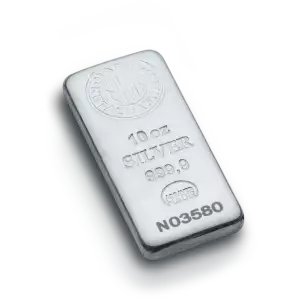
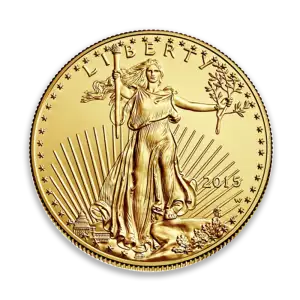
Melt value is the worth of a coin's gold or silver content at the current spot price. For a common-date precious-metal coin it is the main reference point, because a 90% silver dime contains the same silver whatever its condition. NGC Coin Explorer shows current melt values for gold, silver and platinum coins, and our guide to melt value shows the arithmetic.
For copper and copper-nickel coins the reference point is usually face value, and the question is entirely numismatic: does the date, mint mark, variety or condition make it worth more than face value? Most are not. The research below is how you find the ones that do.
Step 3: Be Honest About Condition
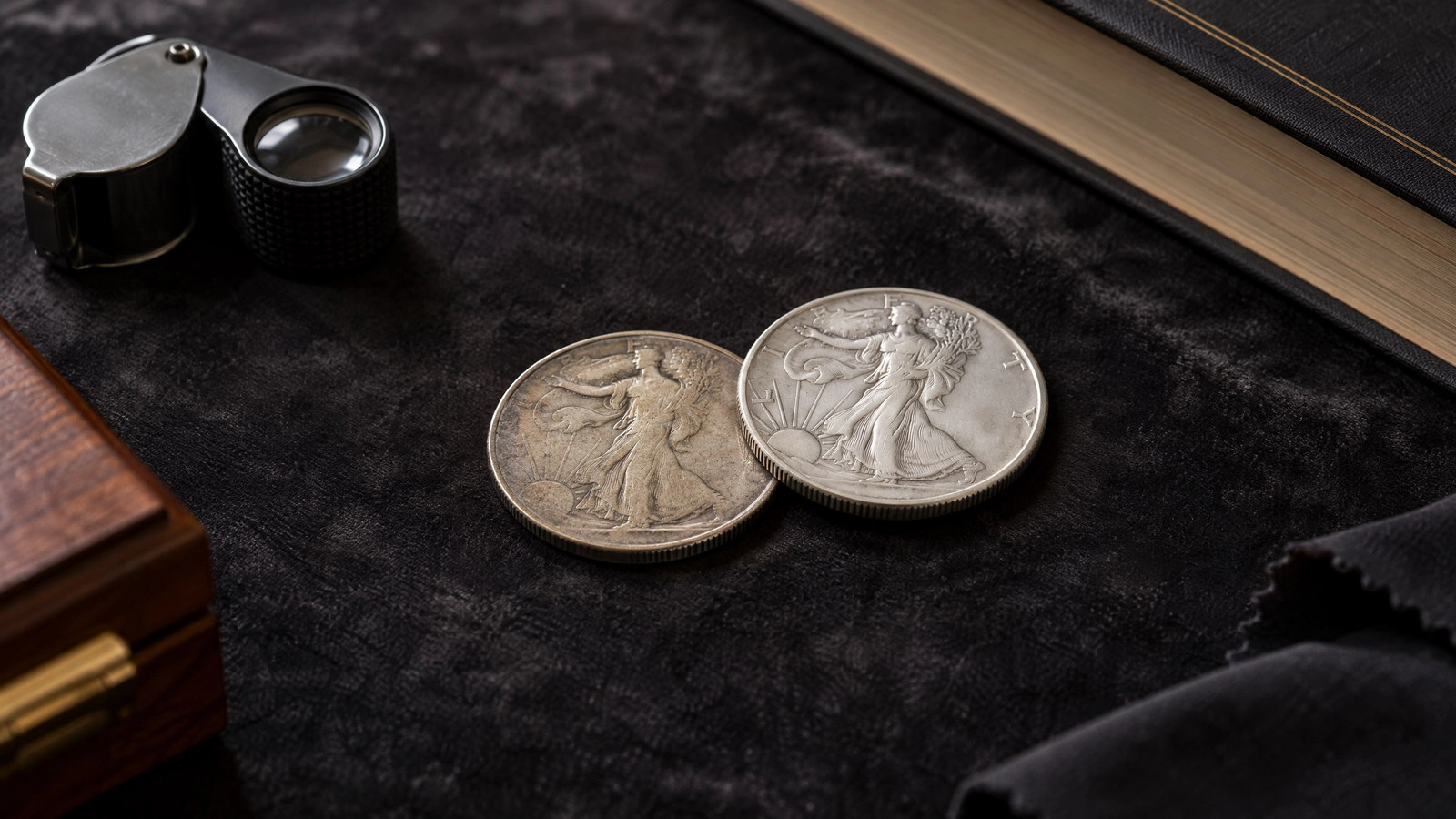
Condition is the hardest step to get right, because the same date and mint mark can carry very different values in worn and high grades. US coins are graded on the 70-point Sheldon scale, on which NGC describes 60 and above as Uncirculated.
Compare your coin with photographs of coins at known grades rather than guessing. PCGS offers a free photo-grading tool, Photograde, for this purpose. Be conservative: wear on the highest points of the design, scratches, rim dings and cleaning all pull a coin down.
Do not clean a coin before having it looked at. Cleaning removes metal and leaves marks that a grader will see, and it cannot be undone.
A grade is an opinion. A coin graded by PCGS or NGC carries that service's opinion on its label; a raw coin's grade is whoever is looking at it, including you.
Step 4: Read a Coin Price Guide, and Know What It Measures
A price guide gives a reference figure for a coin at a given grade, but each guide measures something slightly different, so read the description before you trust the number.
- PCGS Price Guide. The PCGS Price Guide describes its figures as average dealer asking prices for PCGS-graded coins, compiled from dealer advertisements, price lists, websites, significant auctions and major shows. PCGS calls it just a guide and a starting point for assessing value, and notes that some coins sell for less than the listed price and some for more. PCGS prices coins worth under $10 as raw, ungraded coins, because grading fees exceed what those coins are worth.
- NGC price guide. NGC Coin Explorer is headed "Coin Explorer and NGC Price Guide", but the page does not say whether its values are retail, wholesale or something else, so treat them as unlabeled. Access is free.
- The Red Book. A Guide Book of United States Coins, published annually by Whitman, gives grade-by-grade values in up to nine grades. Whitman's listing for the 2027 edition, the 80th, describes its values as Greysheet-based and shows it available from June 30, 2026. A printed price is fixed on the day it went to press.
- Greysheet. Greysheet publishes wholesale and retail pricing guides by subscription and describes its pricing as drawn from market transactions, auction results and dealer activity. Its packages are aimed at both collectors and dealers.
The distinction that matters most is retail against wholesale. A retail guide or an asking price is what a coin is offered for. A dealer who buys your coin has to resell it, so a buy offer is generally set against what the coin trades for between dealers and at auction rather than against a retail listing.
Step 5: Check What the Coin Actually Sold For
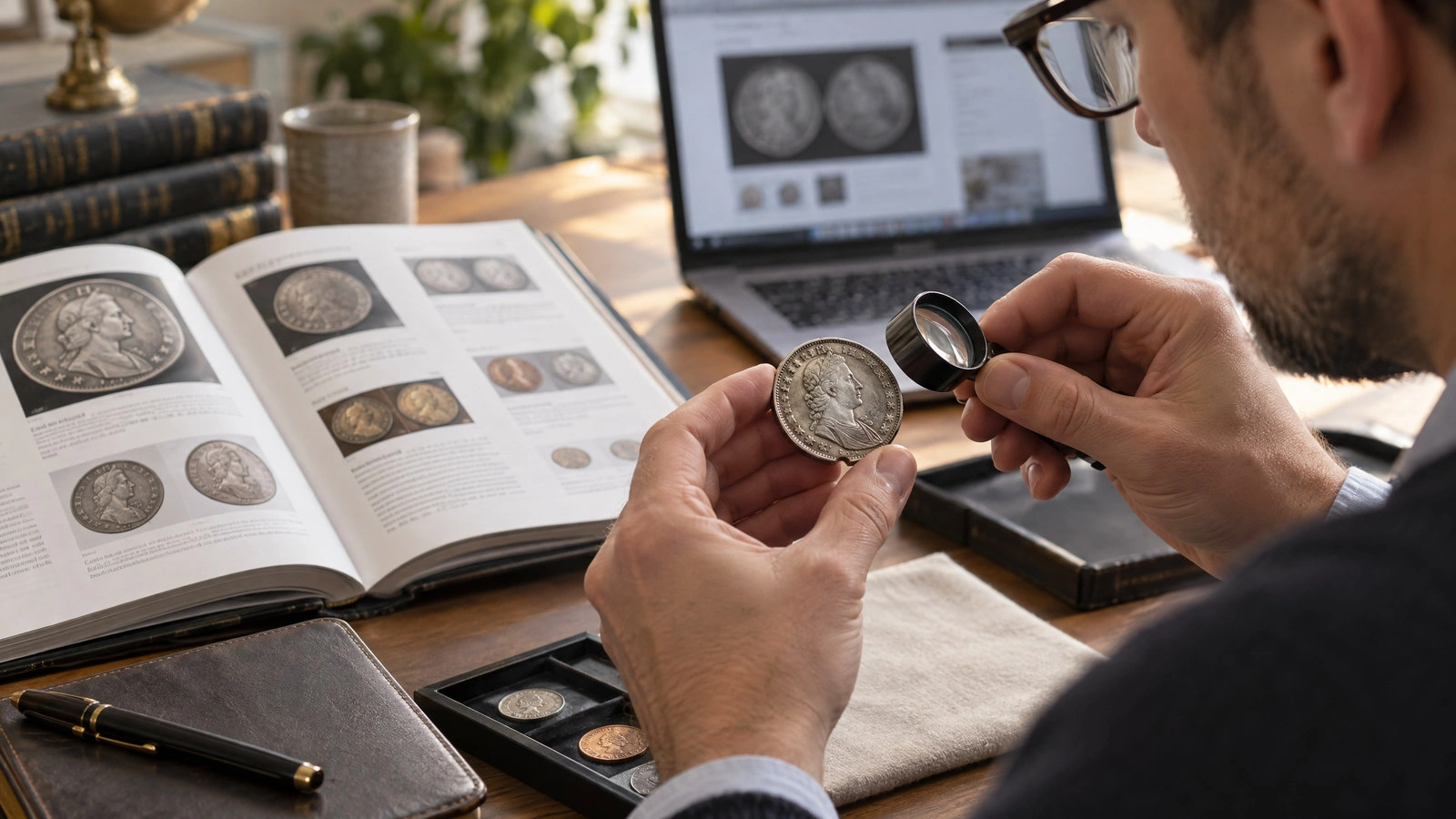
Prices realized are what lots actually sold for at auction. Auction records show what a specific coin, in a specific grade, sold for on a specific date. That is evidence rather than an estimate, which is why it is the most useful number in the whole exercise.
NGC Coin Explorer includes auction prices realized, compiled from third-party sources, with a warning that the data may contain input errors and should not replace due diligence. Heritage Auctions keeps a permanent archive of lots it has sold, with images, descriptions and prices realized; you may need to register and sign in to see prices. Completed listings on large online marketplaces also show sold prices, but the grade on a raw coin there is the seller's own description.
Three rules make auction records useful. Match the grade and the grading service, because a PCGS MS-63 and a raw coin described as "uncirculated" are not the same item. Match the date of the sale, because an old result describes an old market. And look at several sales, not one: a single high result may reflect two determined bidders on one evening.
Step 6: If the Coin Is Slabbed, Verify the Certificate
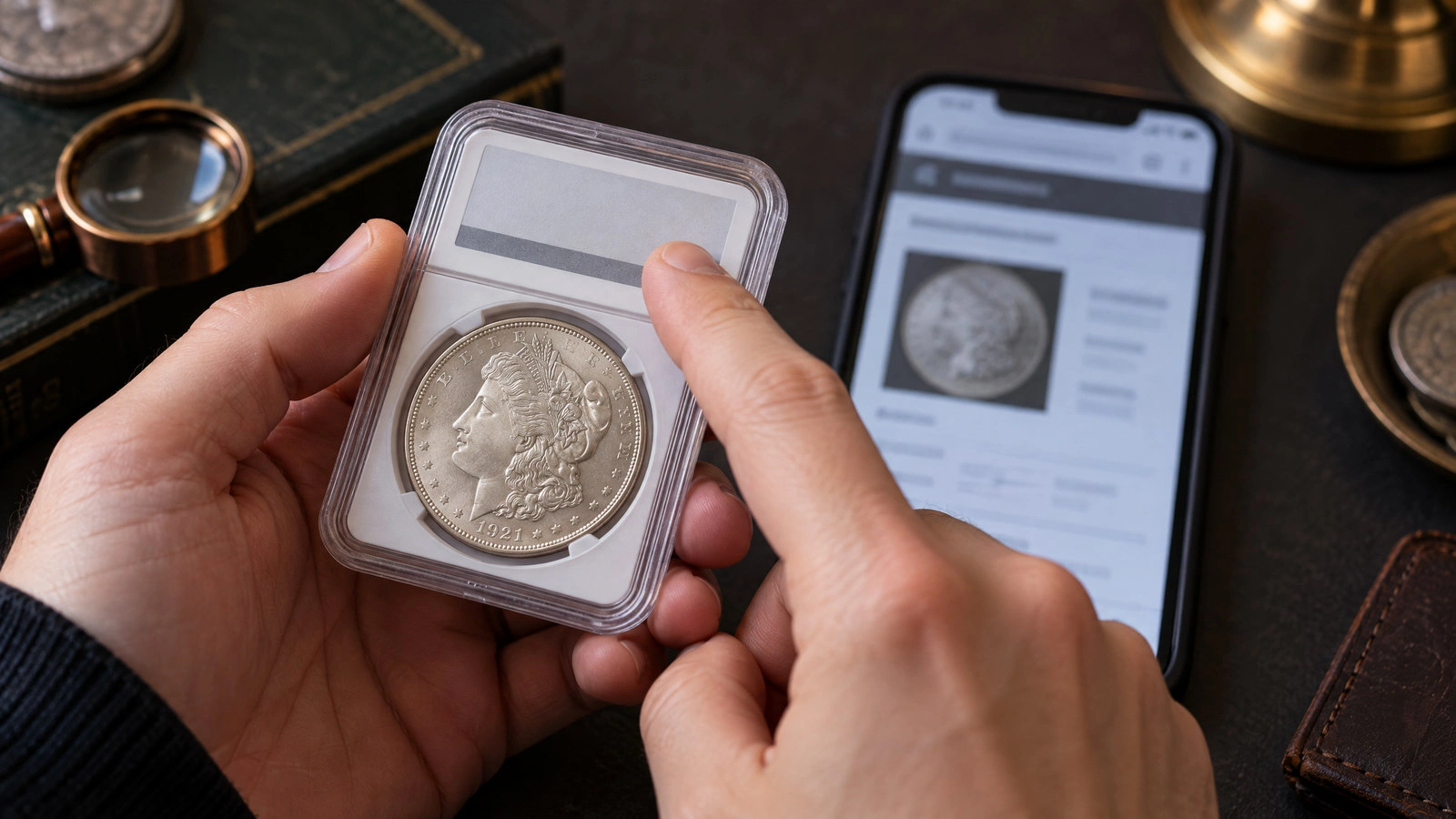
A slab is the sealed holder a grading service puts a coin in, with a label carrying its grade and certification number. Both services let you look that number up: PCGS through its Cert Verification tool, which shows the grade and a PCGS image of the coin. NGC's guidance is to verify every NGC coin by entering its certification number and grade, and to compare the coin with NGC's image library to confirm the holder is authentic and has not been tampered with. NGC's own example of a lookup alert reads: "NGC has observed a counterfeit holder with the same NGC certification number." A number that checks out is not proof on its own.
Once the certificate checks out, the population report tells you how many coins the service has graded at that grade and above. Our guide to what a population report tells you explains how to read one and what it leaves out.
Coin Value Sources Compared: What Each Number Measures
Melt value, price guides, auction results and asking prices measure different things, so they rarely match. The table sets out what each one is and how it relates to an offer.
| Number | What it measures | Where to find it | How it relates to an offer |
|---|---|---|---|
| Melt value | The gold or silver content at today's spot price | NGC Coin Explorer, or your own arithmetic | The main reference point for a common-date precious-metal coin; ask how an offer compares with it |
| PCGS Price Guide | Average dealer asking prices for PCGS-graded coins | pcgs.com/prices | A retail-side reference; a buy offer is usually below an asking price |
| Red Book value | Grade-by-grade values, fixed at the date of printing | The annual Red Book | A dated reference, useful for range and rarity |
| Greysheet | Wholesale and retail pricing | Greysheet subscription | Its wholesale figures reflect the dealer side of the market |
| Auction result | What one coin sold for, on one date, in one grade | Auction-house archives, NGC Coin Explorer | Evidence of a real sale; match grade and date |
| Asking price on a listing | What a seller hopes to get | Dealer sites and marketplaces | Not evidence that anyone paid it |
What to Bring to the Counter
Bring the coins and your notes. A short list for each coin, with its date, mint mark, the grade you think it is, and the range you found, turns an appraisal into a conversation rather than a reveal.
- Certification numbers for slabbed coins, already checked online.
- A valid government-issued photo ID if you are also selling jewelry, silverware or scrap.
For packaging, paperwork and handling, use our first-visit checklist.
The ID point is narrower than many sellers expect. Arizona's dealer statute, A.R.S. § 44-1601, defines the "precious items" it covers in wording that, on its face, excludes coins, so the statute's ID and record-keeping duties are written for jewelry, silverware and scrap rather than coins. Local ordinances can add requirements, so ask the store what it needs for a coin-only sale. Our guide to Arizona's dealer law explains the split.
How Our Appraisal Fits In
Copper State Coin & Bullion offers a complimentary appraisal for sellers at both stores. Our selling page states that there are no appraisal fees and no obligation, and that no appointment is needed at either store.
Your own research gives you a range and the vocabulary to discuss it. Our appraisal gives you a specific offer on specific coins. Where your numbers and ours differ, ask why, and the answer will usually be grade, date of the comparison, or the gap between retail and wholesale. If you need a written valuation for insurance rather than a sale, that is a separate, paid service, covered in our guide to insurance appraisals.
This article is educational and reflects general information about precious metals and collectible coins. It is not investment, tax or legal advice, and Copper State Coin & Bullion is not a registered investment adviser, broker-dealer or tax professional. Metal prices fluctuate and past performance does not indicate future results. Consult a qualified professional about your own situation.
Frequently Asked Questions
How can I find the value of my coins for free?
Identify the coin with a free reference such as NGC Coin Explorer, which also shows melt values and auction prices realized. Compare its condition with PCGS's free Photograde images, then check the PCGS Price Guide and recent auction results for the same grade. The result is a range. A dealer appraisal turns that range into a specific offer.
Which coin price guide should I use?
Use more than one, and read what each measures. The PCGS Price Guide gives average dealer asking prices for PCGS-graded coins. The Red Book prints grade-by-grade values once a year. Greysheet publishes wholesale and retail pricing by subscription. Auction records show what real coins actually sold for, which makes them the strongest evidence of the four.
Why is a dealer's offer lower than the price guide?
Because the guide and the offer measure different things. The PCGS Price Guide, for example, gives average dealer asking prices: what a coin is offered for, not what a dealer pays for it. A dealer buying your coin has to resell it, so an offer is generally set against the wholesale and auction market. Grade matters too: a lower grade changes the reference figure.
Can I look up a coin's value by its certification number?
Partly. PCGS and NGC both let you enter a certification number to confirm the coin's description and grade, and both can show images to compare with the coin in hand. From the confirmed grade you can then check price guides and auction results. Check the holder as well: NGC has reported a counterfeit holder carrying a real certification number.
Does Copper State charge to appraise coins I want to sell?
No. We offer a complimentary appraisal for sellers, and our selling page states there are no appraisal fees and no obligation to sell. No appointment is needed at either store. A written appraisal for insurance purposes is a separate, paid service, because it produces a detailed document rather than an offer.
Bring Your Research to Peoria or Phoenix
If you have done the homework and want a specific offer, bring the coins and your notes to either store. Both are open Saturdays as well as weekdays.
Copper State Coin & Bullion — Peoria
8360 W. Thunderbird Road C#103
Peoria, AZ 85381
(623) 432-3953
Monday–Friday 9:00 AM–5:00 PM · Saturday 9:00 AM–4:00 PM · Sunday closed
Copper State Coin & Bullion — Phoenix
4550 E Bell Road Suite 188
Phoenix, AZ 85032
(602) 377-1944
Monday–Friday 9:00 AM–5:00 PM · Saturday 9:00 AM–4:00 PM · Sunday closed