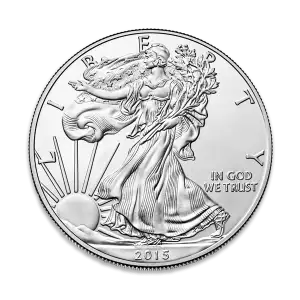
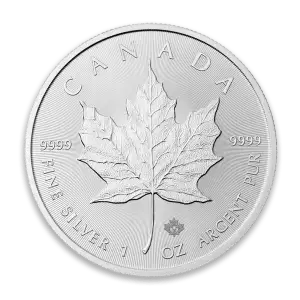
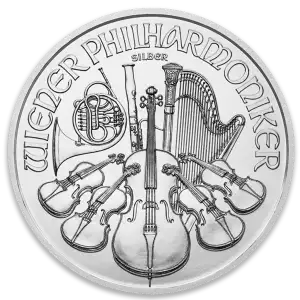
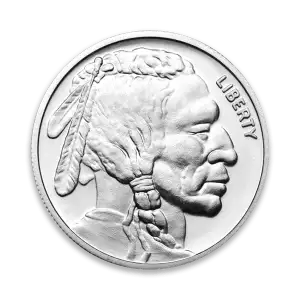
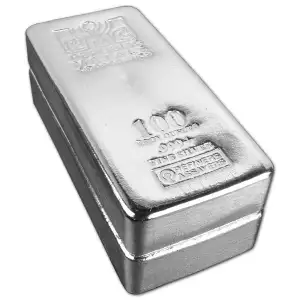
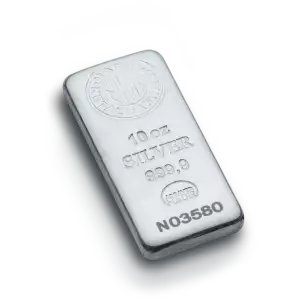
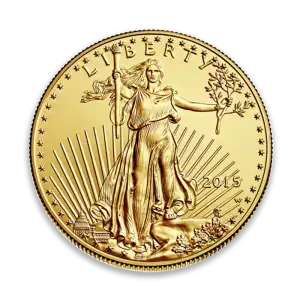
A coin's melt value is the value of its metal content if the coin were melted and sold solely for the metal.
Melt value equals the coin's metal weight multiplied by the metal's current spot price and adjusted for purity (fineness).
What is melt value and who this article is for
This article explains how to calculate coin melt value, when melt value matters, and how collectors, investors, and sellers should use it.
It's aimed at new-to-intermediate collectors, investors evaluating bullion and mixed lots, and anyone preparing to sell or appraise their coins — both locally in the Phoenix metro (Peoria and Phoenix) and nationwide through the online services of Copper State Coin & Bullion, a licensed dealer with over 40 years of numismatic experience.
What is Melt Value?
A coin's melt value is the metal-only worth of a coin based on weight, purity, and the metal's spot price.
Melt value provides a baseline for bullion and damaged or common coins and does not include collectible premiums.
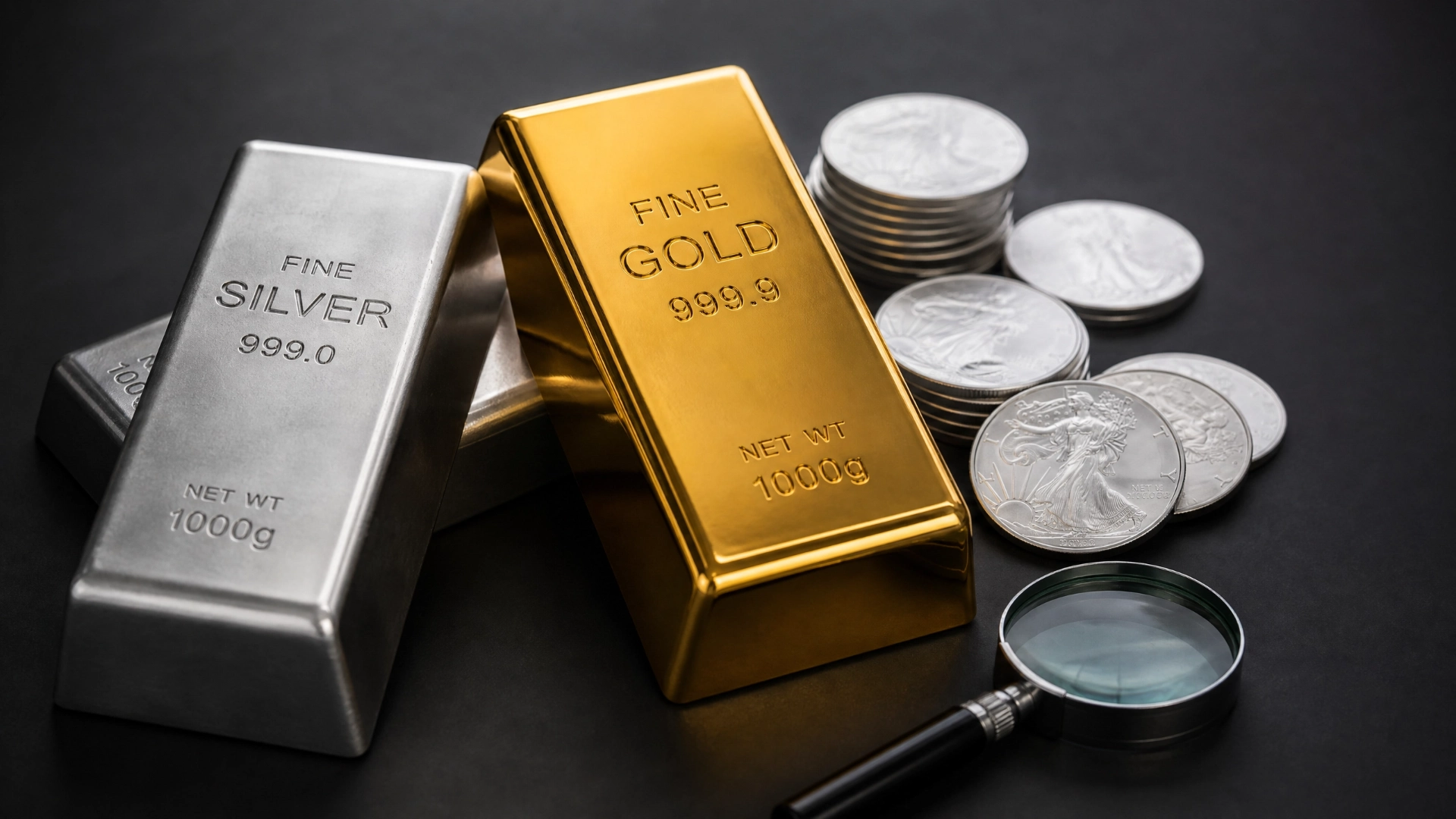
Gross weight is the coin's physical weight. Fineness (or purity) is the proportion of precious metal (for example, 0.900 = 90%). Spot price is the live market price per troy ounce for gold, silver, platinum, or palladium. For authoritative specifications on coin weights and fineness, consult PCGS and NGC.
Melt Value vs. Face Value vs. Numismatic Value
Melt value is different from face value and numismatic value.
Face value is the legal tender denomination stamped on the coin. Numismatic value is the collectible premium above melt value driven by rarity, demand, condition, and provenance.
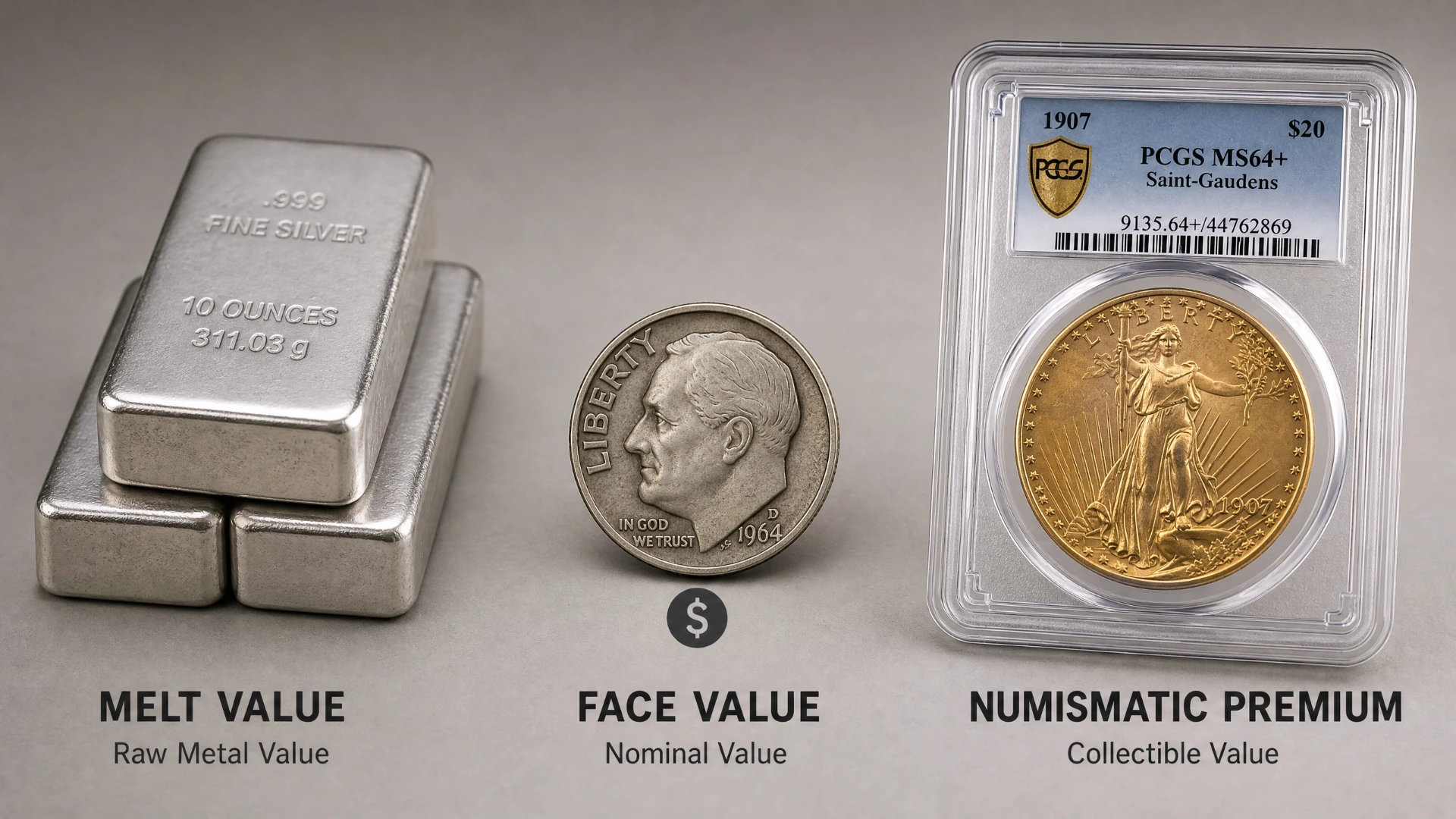
For many common-date coins and bullion, melt value is the primary driver. For rare dates, high-grade examples, or coins with historical significance, numismatic premiums can far exceed melt. The American Numismatic Association (ANA) explains how condition and rarity influence collectible value.
How to Calculate Melt Value (Step-by-Step)
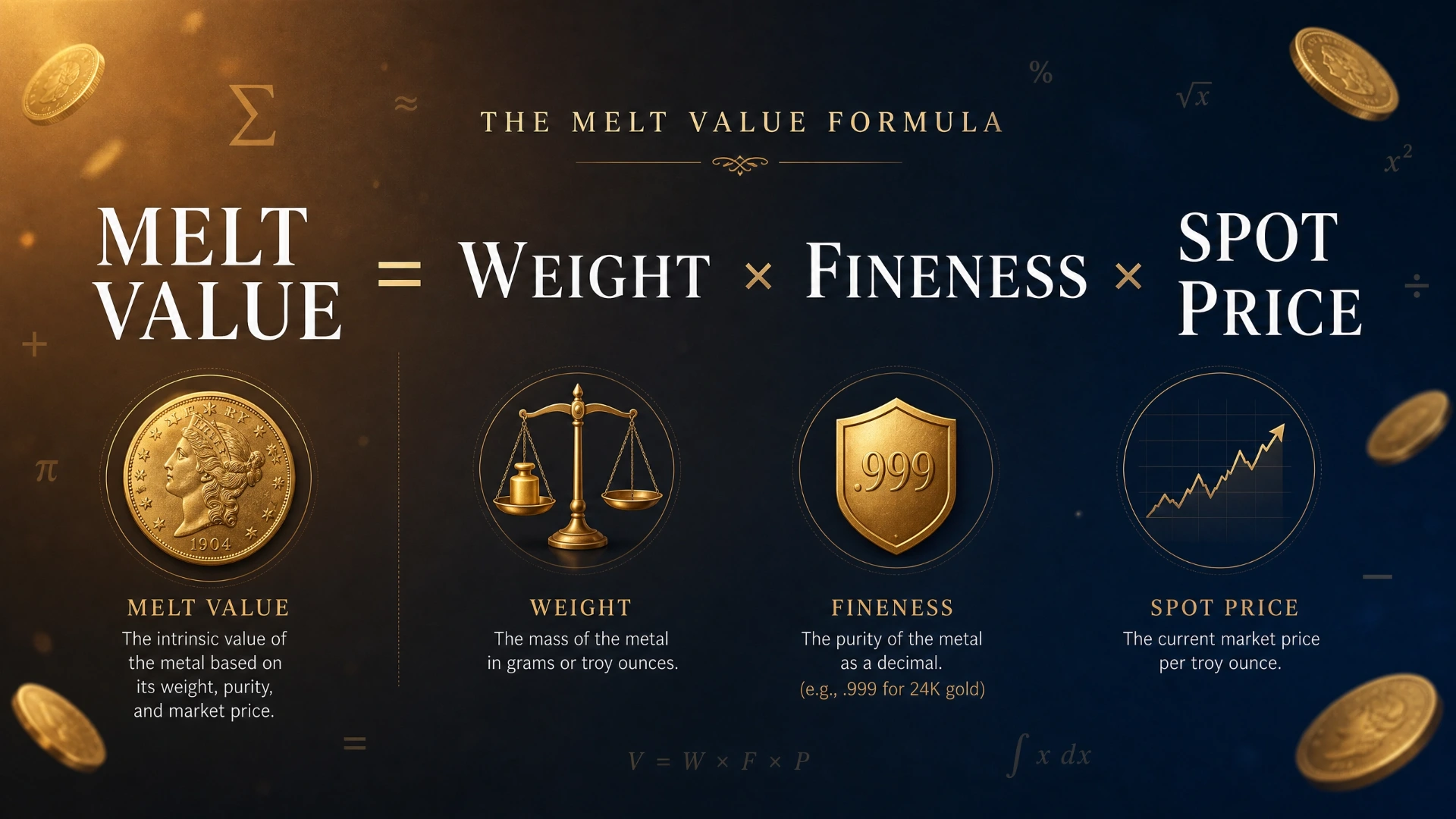
Melt value is the product of metal weight, purity, and spot price.
The formula is: Melt = weight (troy oz) × fineness × spot price.
Step 1 — Determine gross weight: weigh the coin in troy ounces (1 troy oz = 31.103476 g) or use published standard weights for common U.S. issues.
Step 2 — Determine fineness: find the coin's metal purity (for example, many U.S. coins minted before 1965 are 90% silver, or 0.900).
Step 3 — Use current spot price: check a reliable feed for live spot prices (see Tools & Resources).
Step 4 — Calculate: multiply weight × fineness × spot price. Use consistent units (troy ounces for spot prices).
Using a Silver Melt Value Calculator
A silver melt value calculator automates the formula with inputs for weight, purity, and spot price.
Enter the coin's weight (or number and type of coins), select purity, and use a live spot feed or input a custom spot price.
Choose calculators from reputable numismatic sources or established dealers and verify that the tool uses troy ounces. Cross-check coin weights with NGC or PCGS tables when in doubt.
Common Coin Examples (Worked Calculations)
Here are practical melt-value examples using a sample spot price to show the math.
Morgan dollar (90% silver, weight 0.77344 troy oz): Melt = 0.77344 × 0.900 × spot silver price. At $25/oz silver, melt ≈ $17.40. Browse our current Morgan and Peace silver dollars to compare examples.
Half dollar (90% silver, weight 0.36169 troy oz): Melt ≈ 0.36169 × 0.900 × 25 = $8.14 (at $25/oz).
Pre-1933 $10 Eagle (approx. 0.48375 troy oz gold, fineness 0.900): Melt = 0.48375 × 0.900 × gold spot price. At $2,000/oz gold, melt ≈ $871. See our pre-1933 gold coins for similar issues.
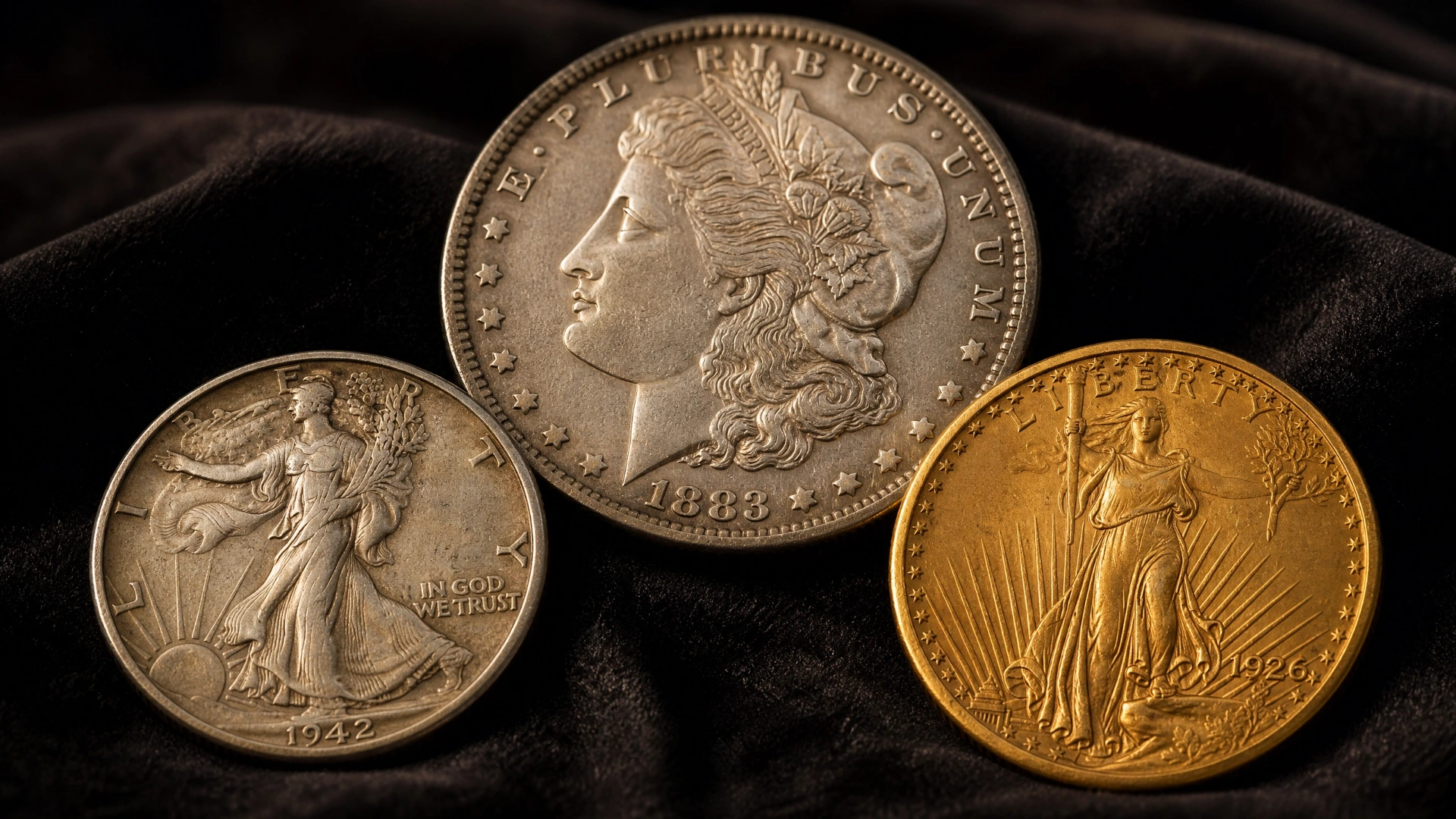
These examples demonstrate why spot price and fineness matter. For full coin specifications, consult PCGS and NGC reference tables.
When Melt Value Matters — Practical Scenarios
Melt value matters when a coin's metal content is the primary source of value.
Common situations include:
- Bulk or "junk" silver lots where coins are common-date and priced by metal content.
- Estate clean-outs with mixed or poorly documented coins.
- Damaged, corroded, or heavily cleaned coins where collectible premiums vanish.
- Foreign silver coins and rounds sold for metal rather than collectibility.
When not to rely on melt value: rare dates, high-grade certified coins, proof sets, and historically significant pieces often command premiums far above melt.
How Dealers and Buyers Use Melt Value
Dealers use melt value as a pricing floor, then apply spreads and costs to determine offers.
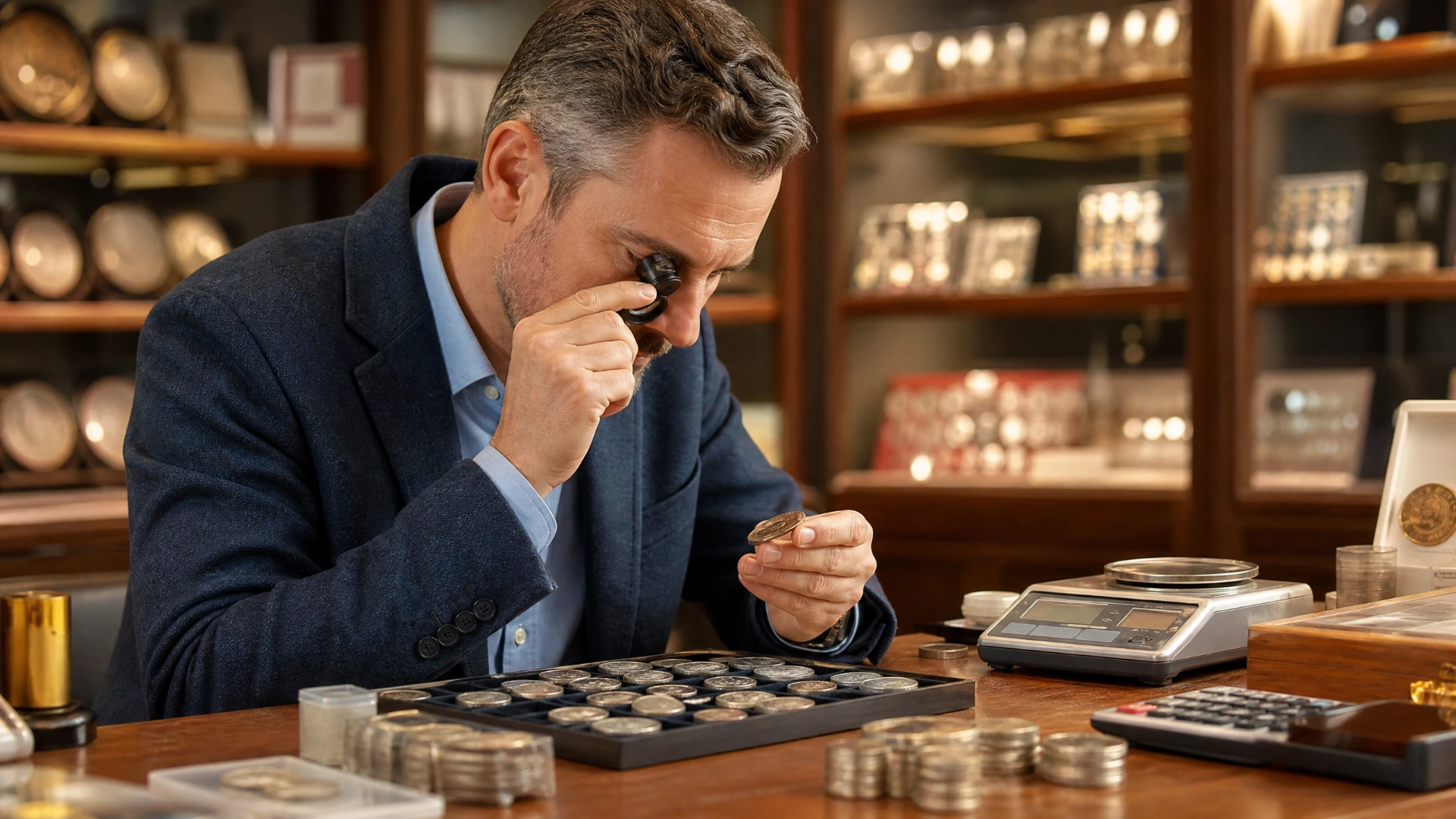
Key factors include:
- Bid/ask spread: the gap between what dealers pay and their retail price.
- Refining fees: costs to melt and purify metals when applicable.
- Lot size and liquidity: large lots may approach melt minus small fees; single coins often reflect lower percentages of melt.
Most dealers will not pay 100% of melt for single coins due to operational costs. For certified or high-grade coins, dealers price numismatic premiums instead of melt.
Tips for Sellers and Collectors
Start by separating bullion from numismatic items.
Use PCGS and NGC price guides to check whether a coin has collectible value above melt.
Weigh and document lots before visiting a dealer. For estate sales, inventory coins and note any certifications (PCGS, NGC, PMG). Keep certified coins in their holders; grading preserves numismatic value.
If selling in Arizona, consider a complementary appraisal at our Phoenix or Peoria location to get transparent offers and guidance. Nationwide sellers can use reputable online channels, compare offers, and use a want list service to source the best buyer for scarce coins.
Example: Quick Checklist Before Selling
A simple checklist prevents selling collectibles for melt:
- Identify coin type and date; check for rarity.
- Check for certification: PCGS, NGC, or PMG graded coins usually carry premiums.
- Weigh or use standard weight tables for the coin type.
- Run a melt calculation with current spot price.
- Compare melt vs. numismatic price in price guides.
- Get a complementary appraisal in Phoenix or Peoria or request an online valuation for insured shipments.
Tools & Resources
Use reliable tools to get accurate spot prices, coin specs, and calculators.
Key resources:
- Live spot price feeds and market charts.
- Coin weight and fineness tables from PCGS and NGC.
- Melt value calculators from reputable numismatic sites or major dealers.
- Educational resources from the American Numismatic Association (ANA) and coin specifications from the U.S. Mint.
How Copper State Can Help
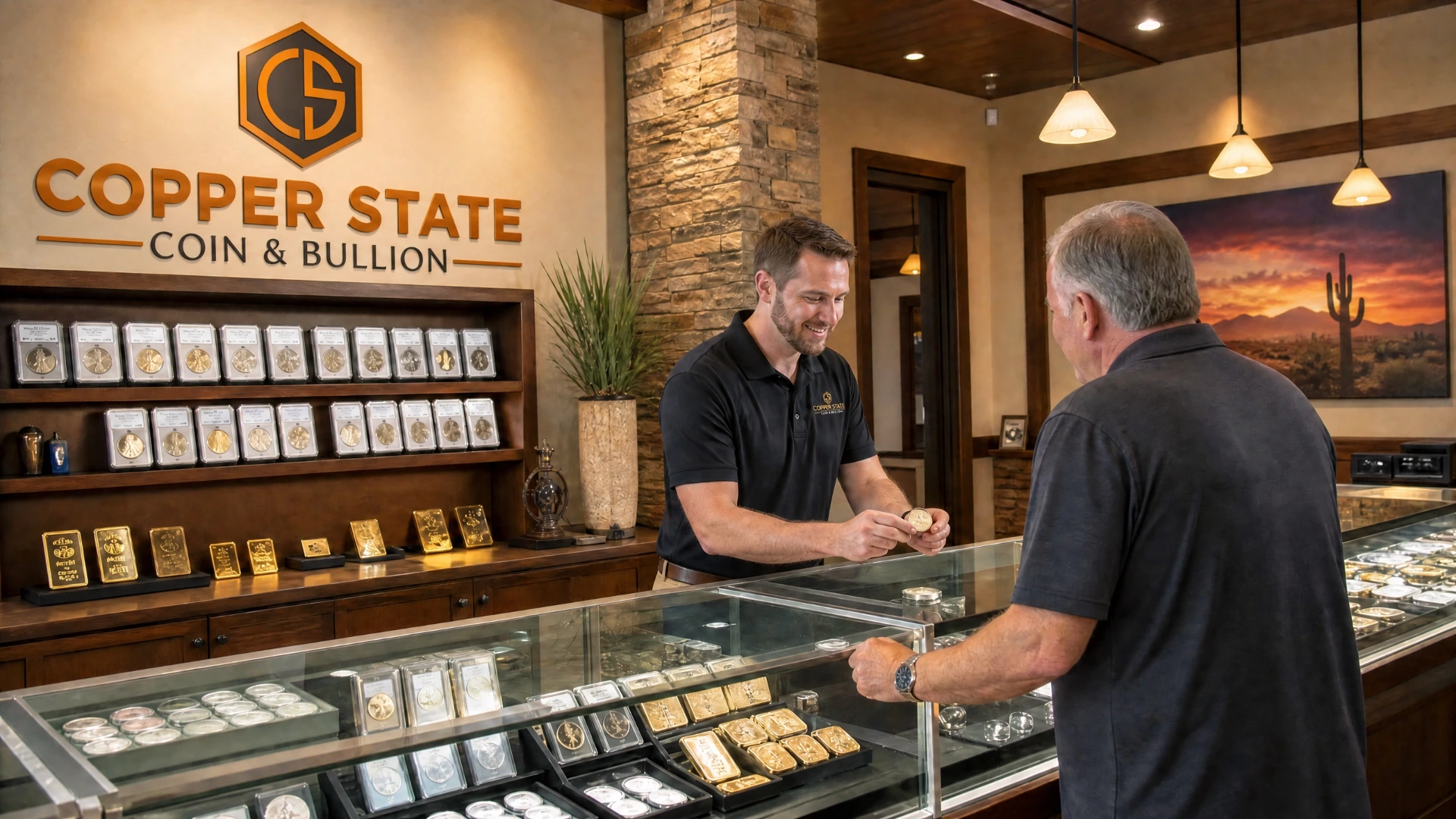
What sets us apart is that our appraisals combine live spot-price analysis with hands-on inspection by our team of numismatists who know when a coin's numismatic premium outweighs its melt — not just an automated calculator or a quick online quote.
We also provide paid insurance appraisals for high-value collections when required.
FAQ
Q: What is a coin's melt value?
A: Melt value is the metal-only worth of a coin based on its weight, purity, and the metal's spot price. It excludes numismatic premiums, condition-related value, and grading premiums.
Q: How do I calculate silver melt value?
A: Multiply the coin's weight in troy ounces by its fineness and by the current silver spot price. Use published coin weights or weigh the coin in troy ounces, then plug the numbers into the formula.
Q: What is a good silver melt value calculator to use?
A: Use a calculator from a reputable numismatic site or established dealer that supports troy ounces and lets you input live or custom spot prices. Verify coin weights with PCGS or NGC tables.
Q: How much is a Morgan dollar worth by melt value?
A: A Morgan dollar's melt value is its silver content (about 0.77344 troy oz × 0.900 × silver spot price). At $25/oz silver, that equals about $17.40; many Morgans sell for much more due to numismatic demand.
Q: When should I sell a coin for its melt value?
A: Sell for melt value when coins are common-date bulk silver, heavily damaged, or foreign junk silver with little collectible interest. For rare or certified coins, pursue numismatic pricing.
Q: Does melt value equal the coin's market value?
A: No. Melt value is a baseline metal-only figure. Market value may be higher due to numismatic premiums or lower if there are authentication issues or severe damage.
Q: How do grading and certification affect value vs. melt?
A: Grading services like PCGS, NGC, and PMG certify a coin's condition and authenticity. Certified high-grade coins usually command numismatic premiums well above melt value.
Q: Do dealers pay full melt value for coins?
A: Dealers typically offer a percentage of melt after considering refining and handling costs. Offers vary by dealer, lot size, and whether coins are purchased for resale or refining.
Q: Can damaged or cleaned coins be worth more as melt?
A: Yes. If cleaning or damage removes collectible attributes, a coin may only be worth its melt value, though some cleaned coins retain interest depending on rarity.
Q: How do I calculate gold coin melt value?
A: Use the formula weight × fineness × gold spot price with weight in troy ounces and the coin's documented fineness. For many U.S. pre-1933 gold coins, fineness is 0.900.
Q: How do I get a reliable appraisal in Phoenix or Peoria?
A: Visit Copper State Coin & Bullion for a reliable, complementary in-person appraisal at our Arizona stores. Bring your coins and any documentation or certified holders (PCGS, NGC, PMG); staff will inspect items, explain melt vs. numismatic value, and provide transparent offers. Call to schedule an appointment at the listed locations.
Q: Should I get an insurance appraisal for my collection?
A: Yes — and Copper State Coin & Bullion provides paid insurance appraisals for detailed coverage documentation. Insurance appraisals include itemized values, high-resolution photographs, and certified valuations suitable for policies and claims; contact our Phoenix or Peoria office to arrange a consultation.
Ready to Find Out What Your Coins Are Really Worth?
Whether you're sitting on a jar of old silver or a single rare find, don't guess at the value — get it confirmed by someone who knows the difference between melt and numismatic worth.
Stop by Copper State Coin & Bullion in Phoenix or Peoria for a free, no-obligation appraisal, browse our online store, or submit a want list if you're hunting for a specific coin. Building or insuring a larger collection? Ask about our paid insurance appraisal service.
Visit Us in Arizona
Peoria: 8360 W. Thunderbird Road C#103 — (623) 432-3953
Hours: Mon–Fri 9:00 AM–5:00 PM, Sat 9:00 AM–4:00 PM, Sun closed
Phoenix: 4550 E Bell Road Suite 188 — (602) 377-1944
Hours: Mon–Fri 9:00 AM–5:00 PM, Sat 9:00 AM–4:00 PM, Sun closed
Can't make it in person? Shop online or submit a want list and we'll help from anywhere in the country.