The rupee is far older than modern India. The Reserve Bank of India traces it to the silver rupiya struck under Sher Shah Suri between 1540 and 1545, a coin of 178 grains, issued alongside a gold coin called the mohur. This guide covers three eras of Indian coins, Mughal, British and the Republic, and explains what sets their value without quoting prices.
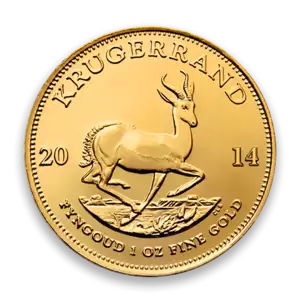
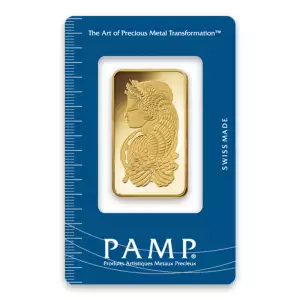
Diwali is Lakshmi's festival, and coins are part of it: the Royal Mint's guide to Lakshmi notes that Hindus often buy a gold coin or bar on Diwali or at Lakshmi Puja. In 2026 the main Diwali day is Sunday, November 8 on the Government of India's central-government holiday list.
One note before starting: if you searched for old Indian coin values and meant the US Indian Head cent, struck from 1859 to 1909, that is a different coin entirely, covered in our Indian Head cent guide.
Mughal Coins: The Rupiya, the Mohur and the Dam
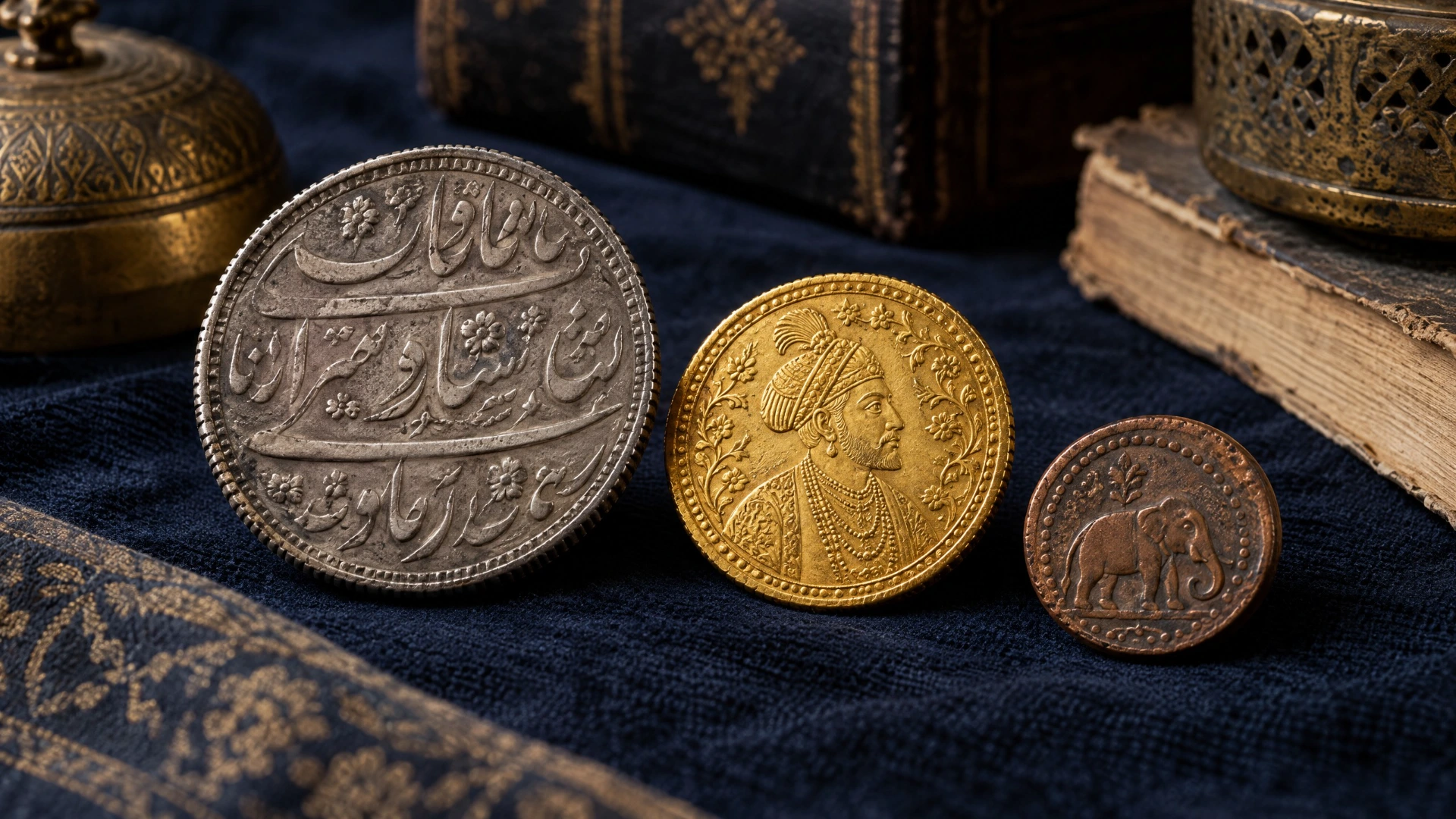
Sher Shah Suri ruled in Delhi only from 1540 to 1545, but the RBI's museum credits him, not the Mughals, with India's three-metal coinage: the silver rupiya at 178 grains, the gold mohur at 169 grains, and a copper coin called the dam. The RBI calls the rupiya the precursor of the modern rupee and says it remained largely unchanged until the early 20th century.
The Mughal emperors refined the designs. Under Akbar, dies gained floral scrollwork in the background of the design. Jahangir took a personal interest in his coinage, which became known for zodiac signs, portraits, literary verses and fine calligraphy.
Mughal coins are identified from their Persian inscriptions, which is specialist work. Gold is where caution matters most, for the reasons set out in the section on authenticity below.
From the East India Company to the Crown
The East India Company first struck coins in the Mughal pattern. The RBI records that the coins of Bengal were developed along Mughal lines, and that in 1717 the English obtained permission from the Emperor Farrukhsiyar to coin Mughal money at Bombay. The Coinage Act of 1835 then brought uniform coinage, with the effigy of William IV on the obverse.
Many coins dated 1835 were not struck in 1835. Catalog notes indicate that the 1835 date was probably kept on the rupee dies until the Victoria rupee replaced it in 1840, so an "1835" rupee may come from any of those years. A date alone does not make one of these coins scarce.
The first coinage under the Crown was issued in 1862, and Queen Victoria took the title Empress of India in 1877. The change shows on the coins: NGC's counterfeit alerts picture an 1862 mohur whose legend reads QUEEN and an 1888 Calcutta mohur that reads EMPRESS. Edward VII and George V followed, and George VI came to the throne in 1936.
One George V issue has its own story. PCGS explains that the 1911 coins became known as "pig rupees" after a rumor that an animal on the new design was a pig; it was an elephant. The government ordered the coins withdrawn on January 23, 1912, and the dies were altered for the coins of 1912 onward. The 1911 design ran across the rupee, half rupee, quarter rupee, two annas and quarter anna.
How Much Silver or Gold Is in an Old Rupee or Mohur
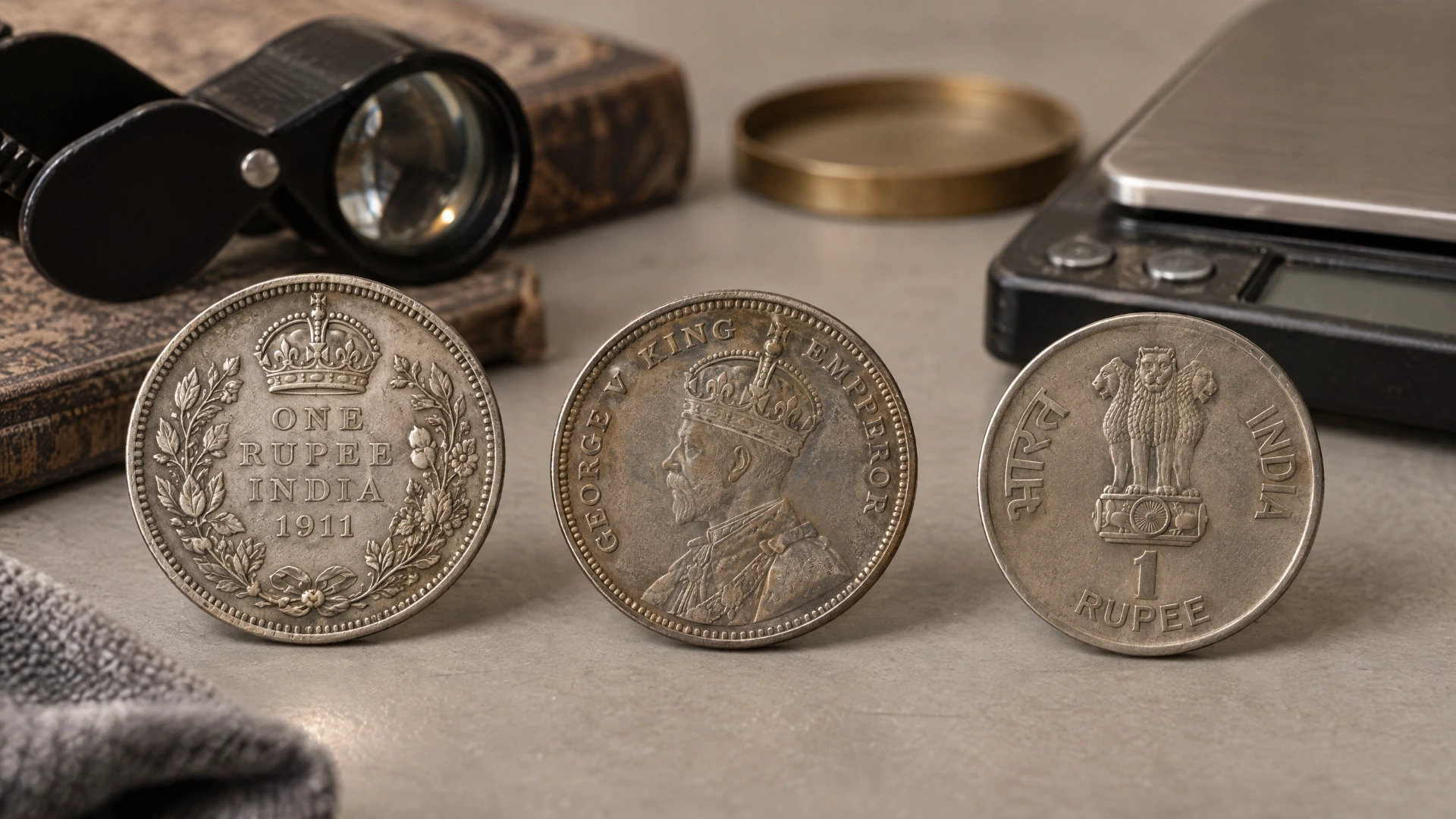
For British India's silver and gold coins, metal content is the starting point of value. The RBI records that the Indian Coinage Act of 1906 set the rupee at 180 grains of silver at 916.66 standard. That matches the 1835 rupee, which catalog records give as 11.66 g, or 180 grains. The RBI also records that during the Second World War the standard rupee was replaced by a quaternary silver alloy, issued from 1940, and that pure nickel coins replaced those in 1947.
| Coin | Dates on the coin | Standard weight | Fineness | Fine metal |
|---|---|---|---|---|
| Rupiya (Sher Shah standard) | Introduced 1540-1545 | 178 grains | Silver, not stated by RBI | Test required |
| Mohur (Sher Shah standard) | Introduced 1540-1545 | 169 grains | Gold, not stated by RBI | Test required |
| Rupee, uniform coinage | 1835 to 1939 (test a 1939, see note) | 180 grains (11.66 g) | 916.66 silver | 165 grains, 0.3438 troy oz silver |
| Rupee, quaternary alloy | From 1940 until the 1947 change to nickel | 11.66 g | 500 silver | 0.1875 troy oz silver |
| Rupee, nickel | From 1947 | Not applicable | Nickel | No silver |
| Mohur, uniform coinage | From 1835; Victoria dates include 1862 and 1888 | 11.66 g | .917 gold | About 0.3438 troy oz gold |
Fine metal is the weight multiplied by the fineness: 180 grains at 916.66 standard is 165 grains, and at 480 grains to the troy ounce that is 0.34375 troy ounces, shown rounded. The quaternary and mohur specifications follow catalog records for the 1940 rupee and the 1835 mohur, and the Mughal fineness is not given in the RBI's summary, so a Mughal coin's metal has to be tested.
One boundary needs care. The RBI dates the quaternary alloy from 1940, but the catalog record for the 1940 rupee describes the 500-fine type as issued from 1939, so a 1939 rupee should be weighed and tested rather than assumed to be 916.66 fine.
To turn fine content into today's metal value, multiply it by the live price on our spot silver price or spot gold price page. Our guide to coin melt value walks through the arithmetic. Melt is only the starting point: a coin's numismatic value is set by its date, mint, condition and the demand for it.
The Republic of India
The first coinage of the Republic was introduced on August 15, 1950, according to the RBI. It kept the old system of 16 annas to the rupee but replaced the King's portrait with the Lion Capital of the Ashoka Pillar. Decimal coinage followed on April 1, 1957, when the rupee was divided into 100 paisa, at first called naya paisa.
Circulation coins of the Republic are struck in base metal, so their value comes from face value or collector demand rather than metal content.
What Decides the Value of an Old Indian Coin
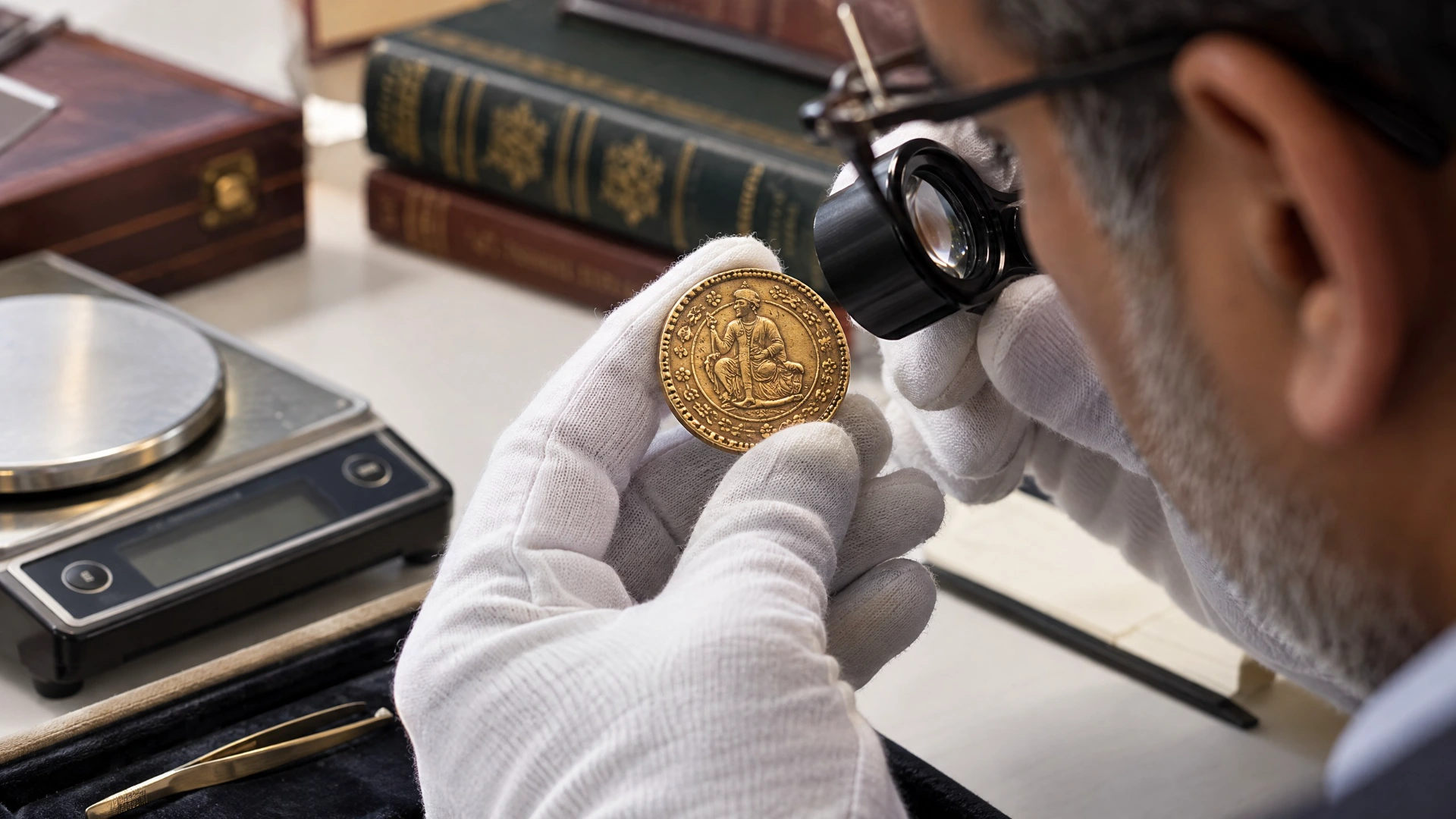
Four things set the value of an older Indian coin, and metal is only the first. The others are the date and mint, the condition, and whether the coin is genuine.
Date and mint. Frozen dates such as the 1835 rupee mean the date on a coin is not always the year it was struck, and the 1911 pig rupee shows how one year's design can be a short-lived issue. Our guide to researching a coin's value explains how to look up a specific date before a visit.
Condition and grading. Wear, cleaning and damage separate one example from another. PCGS and NGC both grade world coins, and both have published research on British India coins. Our article on PCGS and NGC certification covers when grading is worth the cost.
Authenticity. This is where Indian gold needs the most care. NGC documented counterfeit 1862 gold mohurs made in China with transfer dies, and reported that they were made with the correct gold content and weight; what gave them away was a set of contact marks repeated on every piece. An earlier NGC alert, from December 2013, on a counterfeit 1888 Calcutta mohur noted that counterfeiters in China, India and other countries had started producing fake Indian coins. A scale and a metal test cannot clear a mohur on their own, and our guide to spotting fake coins explains what else to check.
Indian Coins at Copper State Coin & Bullion
We buy and sell coins, bullion and gold, and our world coins section covers issues from many countries. If you have older Indian rupees, a gold mohur or other gold and silver you are thinking of selling, we offer a complimentary appraisal to sellers. You can start through our sell to us page or bring the pieces to either store.
For insurance purposes, our separate, paid insurance appraisal service produces a more detailed appraisal report; our article on coin collection insurance appraisals explains what that document contains.
Our Peoria and Phoenix stores are both open Monday through Saturday. Diwali falls on a Sunday this year, when both stores are closed.
This article is educational and reflects general information about precious metals and collectible coins. It is not investment, tax or legal advice, and Copper State Coin & Bullion is not a registered investment adviser, broker-dealer or tax professional. Metal prices fluctuate and past performance does not indicate future results. Consult a qualified professional about your own situation.
Frequently Asked Questions
What is a gold mohur?
The mohur is the gold coin of the Mughal and British Indian coin systems. The RBI records Sher Shah Suri's mohur at 169 grains, issued beside the silver rupiya. Under British India's uniform coinage from 1835, the mohur was struck at about 11.66 g of .917 gold, the same standard weight as the silver rupee of the same period.
How much silver is in an old Indian rupee?
A British India rupee at the uniform-coinage standard, 180 grains at 916.66, contains 165 grains of fine silver, about 0.3438 troy ounces. Rupees from 1940 were struck in a quaternary alloy at 500 fine, holding about 0.1875 troy ounces, and sources differ on 1939, so test that year. Nickel rupees from 1947 onward contain no silver.
Are 1835 East India Company coins rare?
An 1835 date alone does not make a coin rare. Catalog notes indicate that the 1835 date probably stayed on the rupee dies until the Victoria rupee arrived in 1840, so 1835-dated rupees were struck over several years. Value depends on the denomination, the mint, the condition and authenticity, which a grading service or an experienced dealer can assess.
Are there fake gold mohurs?
Yes. NGC has documented counterfeit British India mohurs dated 1862 and 1888, made with transfer dies. The 1862 fakes had the correct gold content and weight, so a scale and a metal test would not catch them; contact marks repeated on every piece gave them away. Any mohur should be authenticated before it is bought or sold.
Does Copper State Coin & Bullion buy Indian coins?
We buy and sell coins, bullion and gold, world coins are part of our numismatic range, and we offer a complimentary appraisal to sellers at our Peoria and Phoenix stores. If you have older Indian rupees, a gold mohur or other gold and silver pieces, call either store or bring them in, and we can look at them with you.
Visit Copper State Coin & Bullion
Have a box of old rupees, a mohur or a family coin you want identified? Bring it to either of our Phoenix-area stores.
Copper State Coin & Bullion - Peoria
8360 W. Thunderbird Road C#103
Peoria, AZ 85381
(623) 432-3953
Monday-Friday: 9am-5pm
Saturday: 9am-4pm
Sunday: Closed
Copper State Coin & Bullion - Phoenix
4550 E Bell Road Suite 188
Phoenix, AZ 85032
(602) 377-1944
Monday-Friday: 9am-5pm
Saturday: 9am-4pm
Sunday: Closed