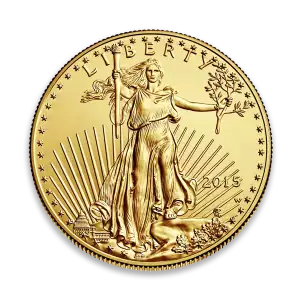
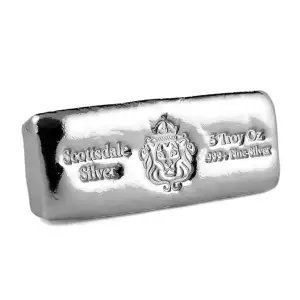
An insurance appraisal is a document, and the insurer's question is narrower than most collectors expect. It is not "what is this collection worth to you." It is "if this were gone tomorrow, could we identify what was here and establish what it would cost to replace." A written appraisal that answers that question has a specific set of contents. A verbal figure, a spreadsheet of your own estimates, or a folder of price-guide printouts has none of them.
This is a guide to what belongs in the document, why each part is there, and what has to be settled with your own insurer before an appraiser can produce anything useful.
Start with the policy, not the collection

A standard homeowners policy is written for the contents of a house, and collections sit awkwardly inside it. The National Association of Insurance Commissioners describes the usual remedy plainly in its consumer guide to home insurance: "a scheduled personal property endorsement (or 'personal article floater') covers jewelry, furs, stamps, coins, guns, computers, antiques and other items whose value might be greater than the normal limits in your homeowners policy."
Two words in that sentence do the work. Scheduled means listed individually, item by item, with a value attached to each. Normal limits means the special-limit provisions your policy already applies to categories such as money, bullion and coin collections — limits that are set by your policy form, not by any general rule, and that are frequently far below what a collector assumes.
So the first step is not calling an appraiser. It is reading the special-limits section of your own declarations page, then asking your agent three things: what limit currently applies to coins and bullion, whether the carrier wants items scheduled individually or covered as a blanket category, and what form of appraisal they will accept. Insurers differ on all three, and an appraisal written to the wrong specification is work paid for twice.
The value standard is the first thing the document must state
The same collection has several defensible values at the same moment, and they are not close to one another. An appraisal that does not say which one it used is not a usable document.
Fair market value is the standard used for tax and estate purposes. The IRS defines it in Publication 561 as "the price that property would sell for on the open market… the price that would be agreed on between a willing buyer and a willing seller, with neither being required to act, and both having reasonable knowledge of the relevant facts."
Replacement value is what a comparable item would cost at retail today, in the market where such things are actually bought. Most insurance schedules are built on it, and it is normally the highest of the three because it includes the cost of finding the thing again.
What a dealer would pay today is a third number entirely. Publication 561 makes the point about published prices: "a dealer may sell an item for much less than is shown on a price list, particularly after the item has remained unsold for a long time." A buying offer is a real transaction on a real day; a replacement value is a hypothetical purchase.
| Value standard | Answers | Used for |
|---|---|---|
| Replacement value | What would it cost to obtain a comparable item at retail today? | Insurance schedules |
| Fair market value | What would a willing buyer pay a willing seller, both informed and neither compelled? | Tax, estate and probate |
| Dealer buying price | What will this specific buyer pay for it today? | An actual sale |
None of the three is more honest than the others; they answer different questions. The failure mode is a document that quietly mixes them — retail figures for the coins that are easy to price, dealer figures for the rest — producing a total that cannot be defended if anyone looks closely.
What a complete appraisal report contains
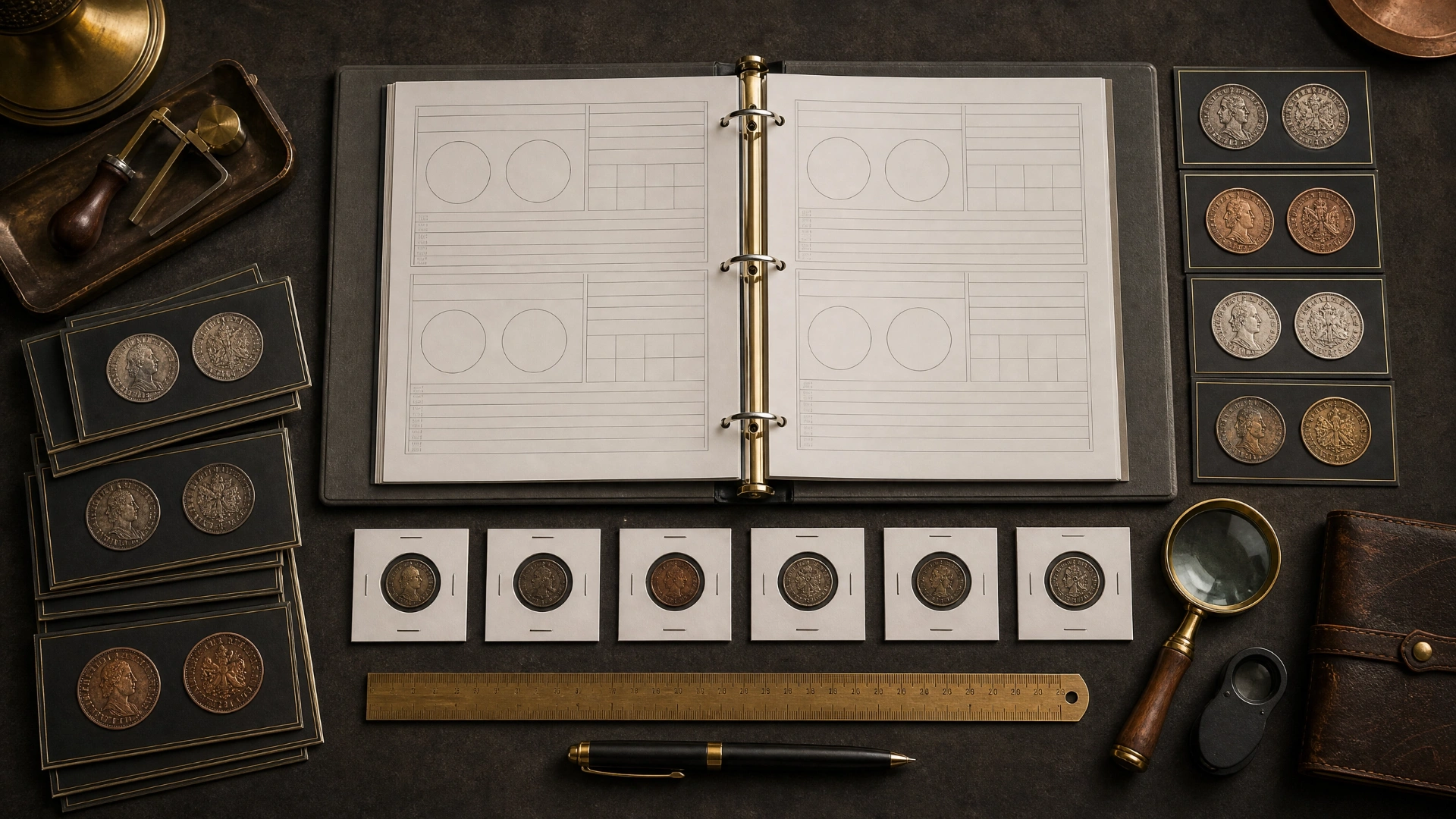
No federal statute sets what an insurance appraisal for a coin collection must contain — insurance is regulated at state level, and in practice the requirement comes from your carrier. There is, however, a published federal specification for what a complete appraisal report looks like, written for donated property, and it is the most concrete list available. Under 26 CFR § 1.170A-17(a)(3), a qualified appraisal must include a description "in sufficient detail under the circumstances… for a person who is not generally familiar with the type of property to ascertain that the appraised property is the contributed property"; the condition of tangible personal property; the valuation effective date and the value on that date; the appraiser's name, address and taxpayer identification number; the appraiser's "qualifications to value the type of property being valued, including the appraiser's education and experience"; the appraiser's signature and date; the valuation method employed; and the specific basis for the valuation.
An insurer is not the IRS and will not ask for the tax-specific elements. But strip those out and what remains is the shape of any report worth paying for. For a coin collection it comes down to six things.
- Per-item identification. Denomination, date, mintmark, and variety where the variety is what carries the value. "Ten Morgan dollars" is not an identification; ten separate lines with dates and mintmarks is.
- Grade, and whose opinion it is. Written as an attributed opinion — "graded MS-65 by PCGS," or "the appraiser's opinion, ungraded" — never as a bare property of the coin.
- Certification numbers for anything in a grading service holder, so the entry can be checked against the service's own database rather than taken on trust.
- Photographs. Obverse and reverse, legible, tied to the line item. This is the part that does the identifying work in an actual claim, and it is the part most often skipped.
- The valuation effective date and the value standard. Both stated in words, at the front of the report.
- The appraiser's identity, credentials, signature and date, plus the method used and the evidence behind the numbers — realized auction results, dealer market observation, published guides, and which was used where.
Grade is the number everything else turns on
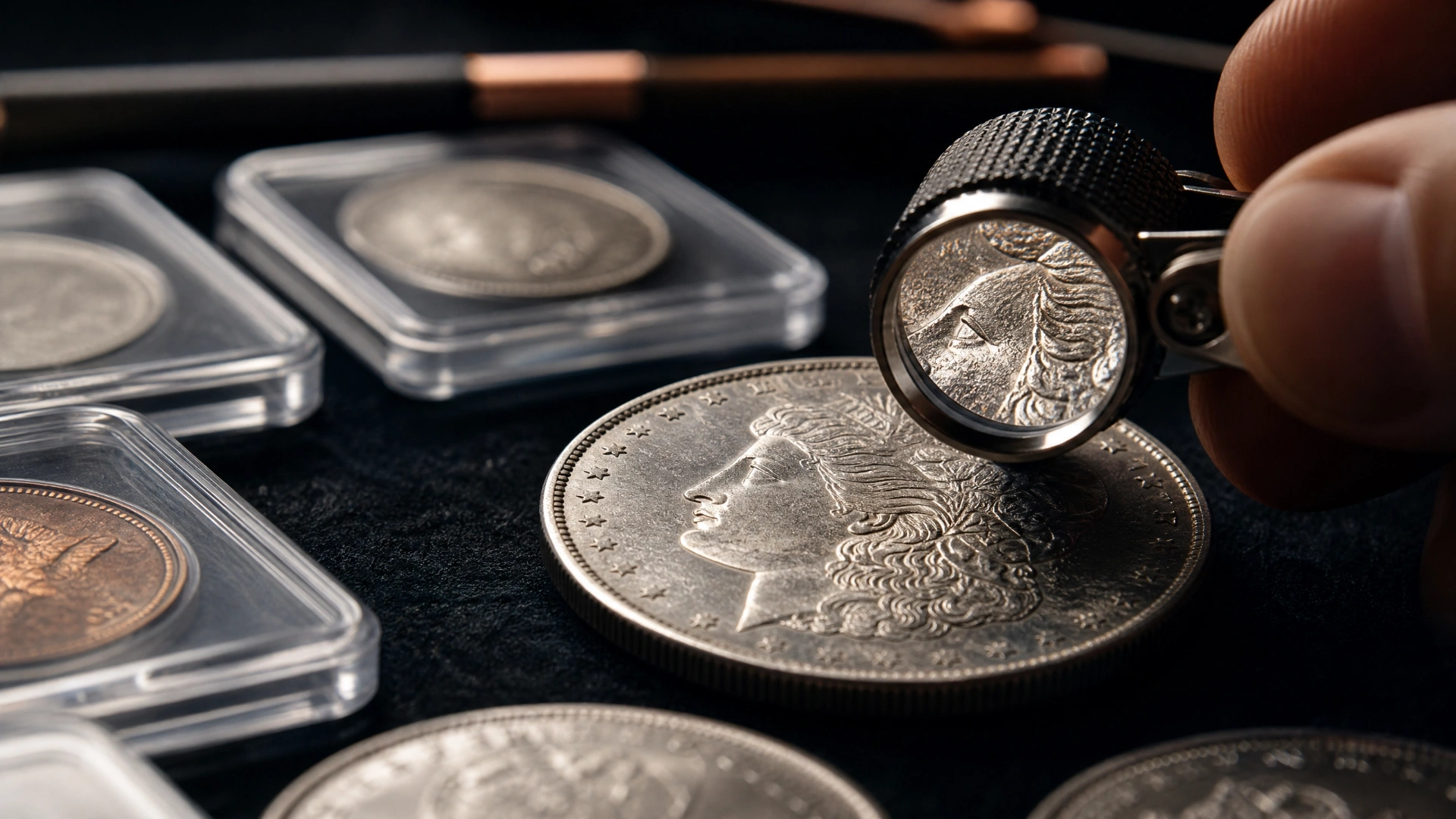
For a bullion coin, value follows weight and purity. For a numismatic coin, value follows grade, and the steps are not evenly spaced. Publication 561 is unusually direct about this: use caution with "price guides for coins as only a trained grader can distinguish the difference between various Mint State grades and circulated grades including extremely fine, very fine, fine, very good, good, fair, or poor. The difference in value between one grade and another could be vast."
That is why an appraisal that assigns grades without saying who assigned them is weak, and why a schedule built on self-assessed grades tends to fall apart at claim time. It is also why third-party certification changes the character of the document: a certified coin carries a number that an adjuster can verify independently, which converts a matter of opinion into a matter of record. Whether certification is worth the cost is a separate calculation that depends on the coin, and we have worked through it in our guide to how PCGS and NGC certification affects value.
Publication 561 adds the other half of the point: "the value of a coin depends on the demand for it, its age, and its rarity. Another important factor is the coin's condition." A report that lists condition but never explains how condition produced the number has documented an opinion without supporting it.
Who can write one, and what to ask them
No law requires a personal property appraiser to hold a credential, and the body that writes the standards does not issue one. The Appraisal Foundation, which is authorized by Congress as the source of appraisal standards, publishes the Uniform Standards of Professional Appraisal Practice — USPAP — as the national standard covering real estate, personal property, business valuation and mass appraisal. But on its own personal property page it states that "unlike real property appraisal, there is no law requiring personal property appraisers to obtain a credential or designation to practice," and that "the Foundation is not a credentialing body and does not issue personal property credentials." Designations come from partner organizations — the American Society of Appraisers, the International Society of Appraisers and the Appraisers Association of America.
So "are you licensed" is the wrong question, because no law requires a personal property appraiser to hold one — designations are voluntary and come from the appraisal societies. The useful questions are narrower:
- Do you work to USPAP, and will the report say so?
- What is your experience with this specific material — US type coins, world coins, currency, bullion? They are different specialties.
- What value standard will you use, and why that one for this purpose?
- How is your fee calculated, and does it depend on the appraised total?
- Will you also be offering to buy the collection?
That last question deserves a straight answer rather than a defensive one. A dealer who appraises and buys has a genuine advantage — they see actual transaction prices every week, which is the evidence base an appraisal rests on — and a genuine conflict, because the number they write and the number they would pay come from the same person. The workable arrangement is that the two are separate engagements with separate documents, and that you know which one you are getting.
Bullion and numismatics are different insurance problems
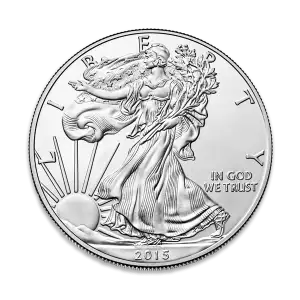
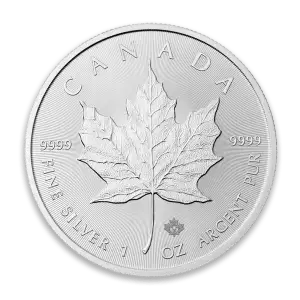
A tube of one-ounce Silver Eagles is re-priced by the market every day. An 1893-S Morgan dollar is re-priced by whether another comes up for sale. Those need different treatment on a schedule, and it is worth raising with your agent.
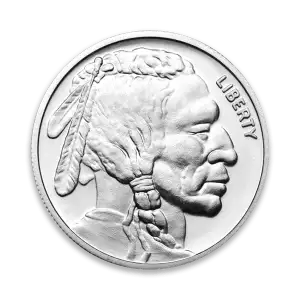
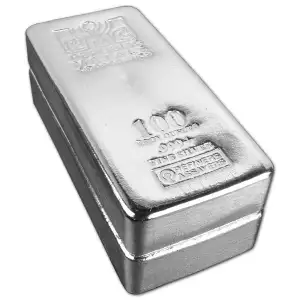
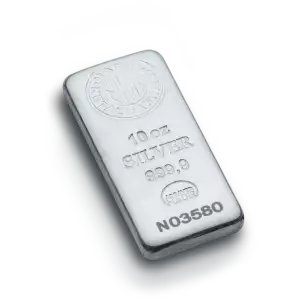
For bullion, a fixed dollar figure per line goes stale immediately, and many carriers prefer to describe holdings by product and count — twenty one-ounce American Silver Eagles — with the value keyed to the market. For scarce numismatic material a fixed scheduled amount is usually the point, because no market price exists on demand. Ask your carrier how they handle each before the appraiser starts; it changes what the report needs to say.
Keeping the document alive
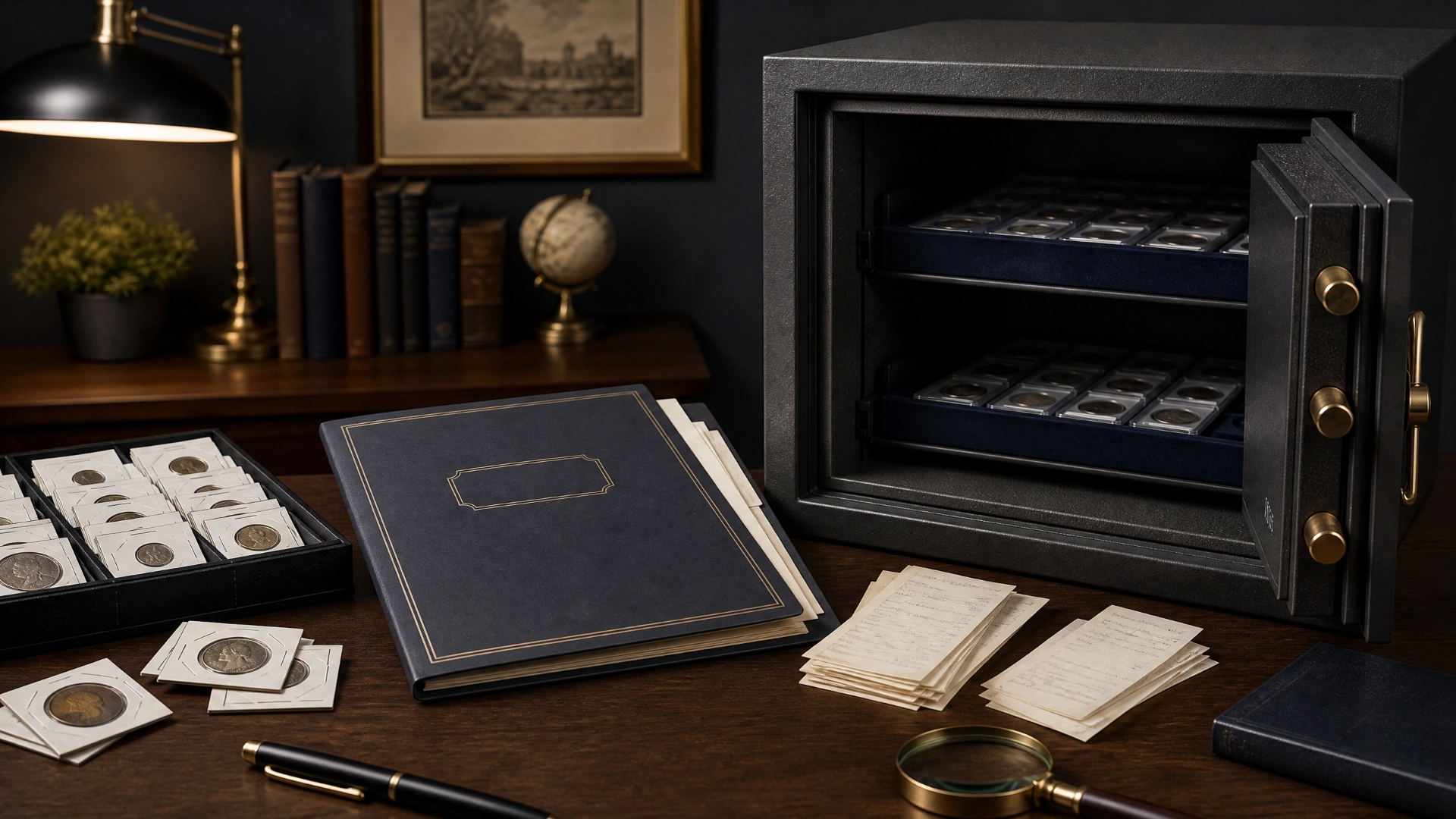
An appraisal is a snapshot on a stated date, and its usefulness decays in two directions: the market moves, and the collection changes. Three habits keep it current without a full re-appraisal.
Keep the photographs and the schedule somewhere other than the house they describe — a fire or theft claim usually takes the paperwork with it. Keep purchase receipts, grading invoices and auction records alongside the report, since documented provenance supports value in a way an estimate cannot. And update the schedule when you add or sell; an item bought after the last appraisal was never scheduled. How often the whole report should be redone depends on the material and on your carrier's requirements, so ask them rather than working to a rule of thumb.
If you are dealing with a collection you did not build, the sequence is different and the appraisal is usually not the first step. We have set out that order separately for an inherited coin collection in Arizona.
What Copper State does, and how the two services differ
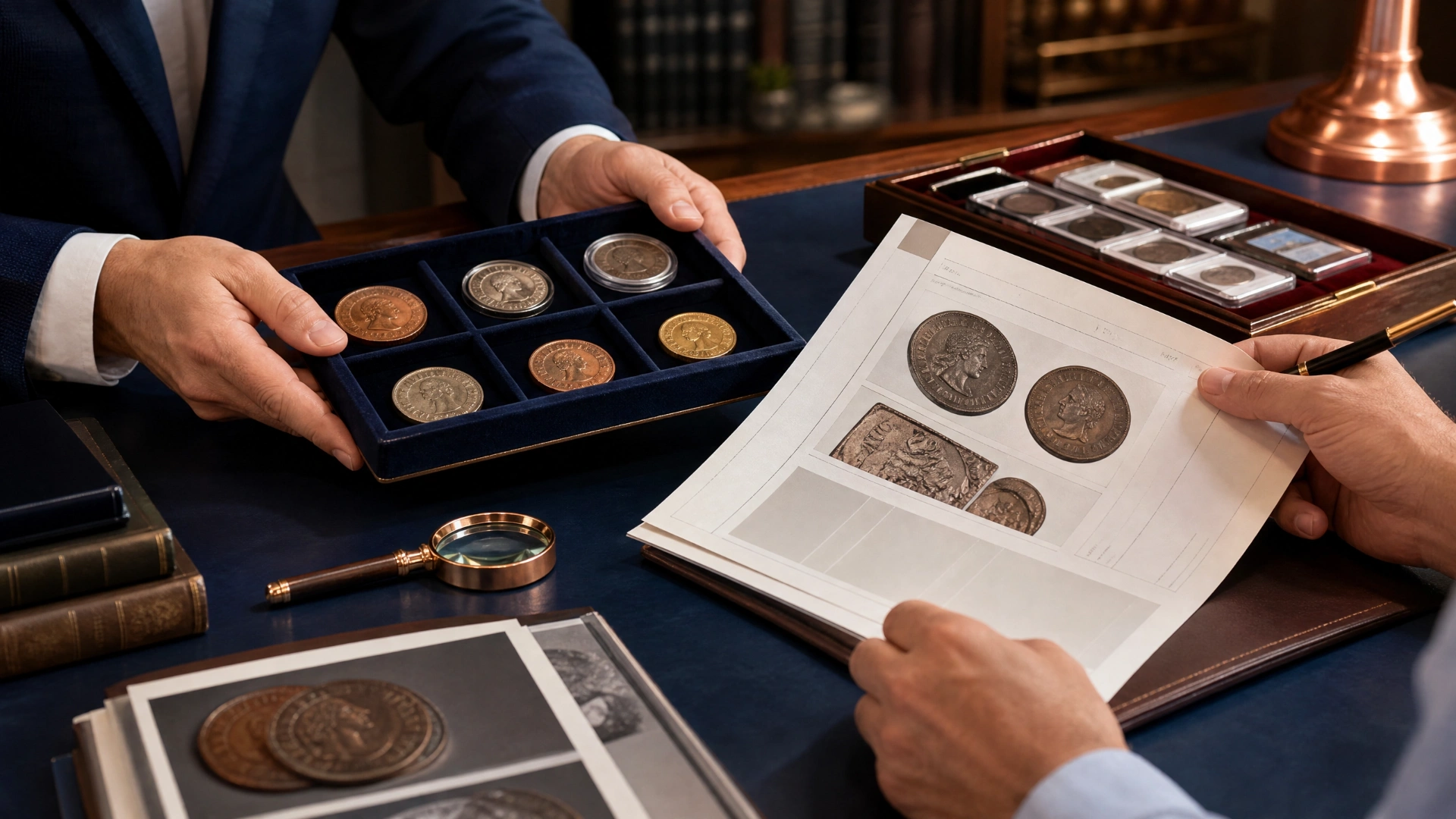
We run two separate appraisal services and it is worth being precise about the difference, because they produce different documents for different purposes.
The complimentary appraisal is for sellers. Our site describes it as a complimentary appraisal service for anyone looking to sell coins, currency or bullion items. That is a valuation conversation aimed at a transaction.
The insurance appraisal is a separate, paid service, described on the site as "designed for clients who require a more detailed appraisal report for insurance purposes." Ask us what the report will contain for the material you have, and what your carrier has asked for, before we start.
Behind both sits over 40 years of numismatic and bullion experience and memberships with PCGS, NGC, PMG, the Certified Coin Exchange and ICTA. We handle US type coins, world coins, paper money, rare US coins and bullion, and we would rather tell you at the outset that a schedule and a set of photographs covers what your insurer is asking than write a report you do not need.
This article is educational and reflects general information about precious metals and collectible coins. It is not investment, tax or legal advice, and Copper State Coin & Bullion is not a registered investment adviser, broker-dealer or tax professional. Metal prices fluctuate and past performance does not indicate future results. Consult a qualified professional about your own situation. Coverage terms are set by your own policy and carrier, and nothing here is insurance advice.
Frequently asked questions
How much does an insurance appraisal for coins cost?
It depends on the number of items and how much research each one needs, which is why nobody can quote a collection sight unseen. Call either store with a rough item count and a description of the material — US type coins, world coins, currency, bullion, or a mix — and we can talk through how the work is scoped and priced before you commit to anything.
Can I use a price guide instead of an appraisal?
Not for a scheduled policy. A guide gives you a number but none of the other elements an insurer needs — identification, condition, photographs, an effective date, a stated value standard and a signature. IRS Publication 561 also cautions that coin guides assume a grading judgment most owners cannot make reliably, and that the value difference between adjacent grades can be vast.
Does every coin need to be listed separately?
Your carrier decides. Scarce individual pieces are normally scheduled line by line, since that is the only way a claim can establish what was lost. Bulk circulated material and repeated bullion products are often grouped by product and count instead. Ask your agent which approach they want before the appraisal is written, because it changes the report's structure.
Should I get coins graded before the appraisal?
Sometimes, and not always. Certification turns a grade into a verifiable record, which strengthens the document, but it costs money per coin and only changes the value materially on scarcer or higher-grade pieces. The sensible order is to have the collection looked at first, then certify selectively where the grading fee is justified by what it protects.
How often should the appraisal be updated?
There is no single interval, and your carrier's requirements govern. What matters more than the calendar is change: a significant move in metal prices, a shift in the market for a series you hold, or any addition to or sale from the collection all make an existing schedule inaccurate. Ask your insurer what they require and update the schedule as the collection changes rather than only at renewal.
Book a written appraisal
Bring the collection, the declarations page and whatever your agent has asked for, and we will tell you what the document needs to contain before we start writing it. Both stores are open six days a week; calling ahead for a large collection means we can set aside the time to do it properly.
Peoria
Copper State Coin & Bullion
8360 W. Thunderbird Road C#103
Peoria, AZ 85381
(623) 432-3953
Phoenix
Copper State Coin & Bullion
4550 E Bell Road Suite 188
Phoenix, AZ 85032
(602) 377-1944
Both locations: Monday–Friday 9:00–17:00 · Saturday 9:00–16:00 · Sunday closed