Buy Silver Bars Online
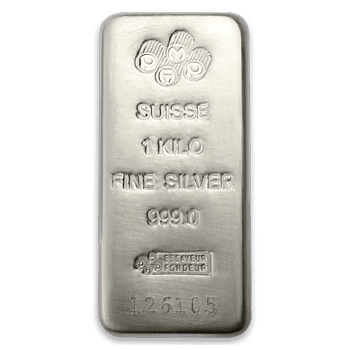
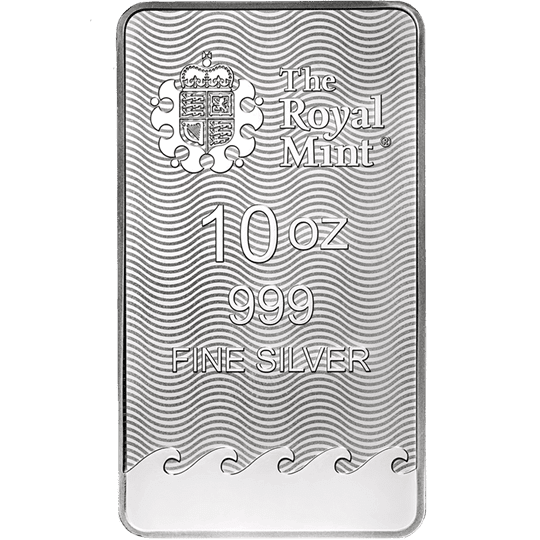
Silver bars are the simplest way to own silver by weight. A bar is a block of refined metal, usually .999 fine, stamped with its weight, its purity and the name of the refiner that made it. There is no design to pay for and no collector story attached, so the price stays close to the value of the metal itself.
Ounce for ounce, silver costs far less than gold, which lets buyers build a holding in smaller steps. Bars run from 1-gram pieces up to 100 oz bars and multi-kilo bars.
How a Silver Bar Is Priced
Every bar is priced from the silver spot price, the market price of one troy ounce of silver, plus a premium that covers refining, fabrication and distribution. The silver price moves throughout the trading day, and today's figure is on our spot silver price page. Each product page shows the premium per ounce above spot, and as a rule, larger bars carry a lower premium per ounce than small ones.
Bars or Coins?
Bars usually cost less above spot than government-minted coins such as the American Silver Eagle, because they carry no legal tender status and no detailed design. Coins, in turn, are instantly recognizable when you sell. Which one fits depends on how much you are buying and how you plan to hold it. Our silver coins section covers the other side of that comparison.
Buying Silver Bars from Copper State
Prices on our site update with the market and are locked in when you place your order. Orders ship fully insured, and you are welcome to see bars in person at our Phoenix and Peoria stores before you buy.
With any bar, what matters most is that it is genuine, which is why the refiner's mark and the stated weight and purity are worth understanding. That starts with how a silver bar is made.
How Is a Silver Bar Made?
Most of the world's silver is not mined on its own. It comes out of the ground as a by-product of mining lead, zinc, copper and gold, and is separated from those metals during processing.
The recovered silver is then refined, most often by electrolysis, until it reaches .999 purity or higher. From there, a bar is made in one of two ways:
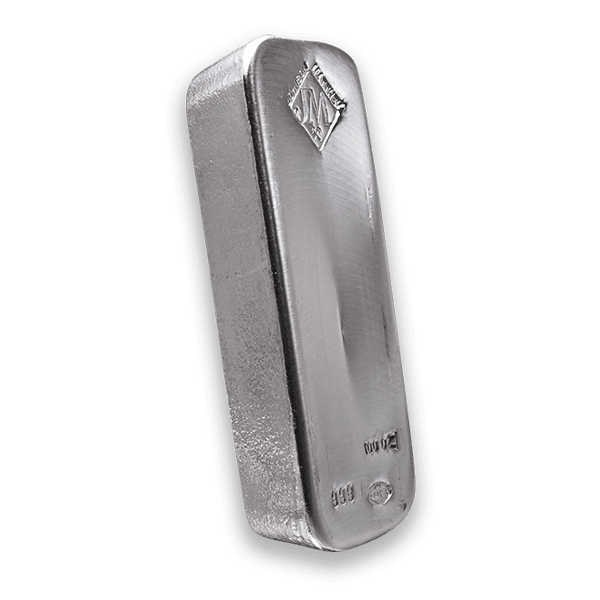
- Cast (poured) bars. Molten silver, which melts at about 1,763°F, is poured into a mold and left to cool. Cast bars have softer edges and a slightly uneven surface, and every one looks a little different.
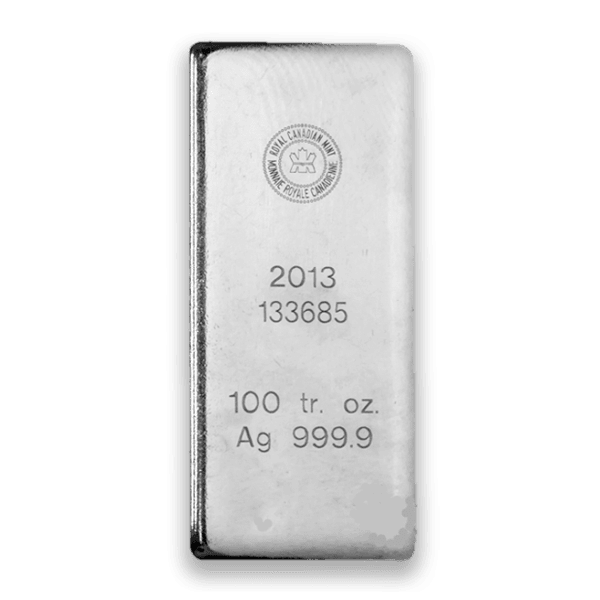
- Minted bars. Refined silver is rolled into a sheet, cut into blanks of an exact weight and struck under a press, much like a coin. Minted bars have sharp edges, a polished finish and detailed stamping, and often come sealed.
What Does Purity Mean?
Purity, or fineness, is the share of the bar that is silver. A .999 bar is 99.9% silver, with no more than 0.1% of anything else. Some refiners produce .9999 bars, which allow no more than 0.01%. The fineness is stamped on the bar, next to the weight and the refiner's name.
Purity can be checked several ways. X-ray fluorescence (XRF) reads the metal content at the surface without harming the bar, and ultrasonic testing looks inside it for a core of a different metal. Fire assay is the reference method, but it destroys the sample, so it is used by refiners rather than at a counter. We offer XRF and ultrasonic testing at our stores.
Types of Silver Bars
- Standard bullion bars. Minted or cast bars from established refiners, made for buyers who want metal at a low premium. The most common sizes are 1 oz, 10 oz and 100 oz.
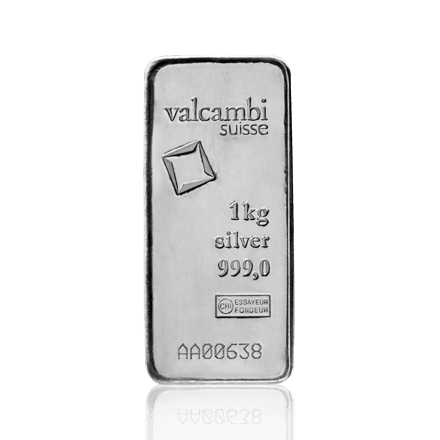
- Kilo and multi-kilo bars. Large bars that carry the lowest premium per ounce, for buyers holding larger amounts.
- Fractional and break-apart bars. Small bars from 1 gram up, including break-apart formats such as the Valcambi CombiBar, which is made of 1-gram pieces that can be separated.
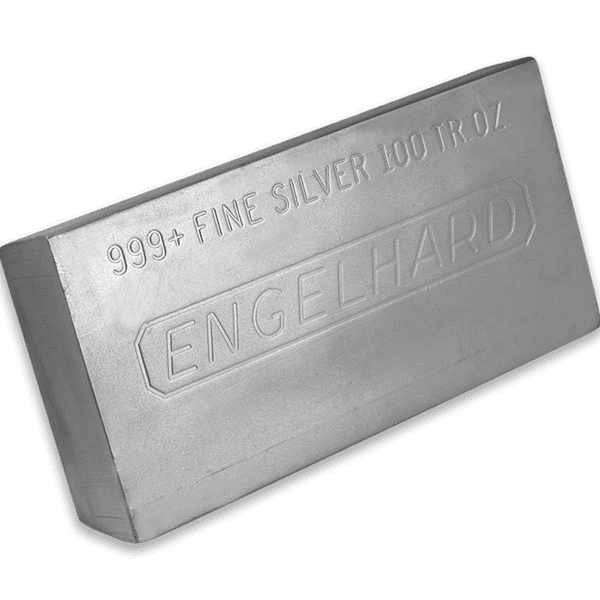
- Vintage and collectible bars. Bars from refiners that no longer produce retail bars, such as Engelhard, are now collected in their own right and can sell above their metal value.
What Moves the Silver Price
Silver is priced in a global market, and a few forces shape it. A large share of demand comes from industry, including electronics and solar panels, so silver responds to manufacturing activity in a way gold does not. Investment demand for bars, coins and exchange-traded funds adds to that. On the supply side, because most silver is a by-product of other mining, output does not rise quickly when the price does. The US dollar also plays a part, since silver is priced in dollars worldwide.
None of these forces makes the price predictable, which is why the premium you pay matters as much as the spot price on the day.
A Short American History of Silver
The Comstock Lode, found in 1859 near what became Virginia City, Nevada, was the first major silver discovery in the United States and drew thousands of prospectors west. Silver later moved to the center of national politics: the Sherman Silver Purchase Act of 1890 required the Treasury to buy silver every month, and the act was repealed in 1893, during the financial crisis known as the Panic of 1893.
Things to Check When Buying Silver Bars
- The refiner's mark. A bar should carry the name or logo of a known refiner or mint. The London Bullion Market Association publishes a Good Delivery list of refiners whose large bars meet its standards, which is a useful check on the name stamped on a bar.
- Weight and fineness. Both should be stamped on the bar and should match what the seller lists.
- Packaging. Many minted bars come sealed in an assay card or film. Keeping that packaging intact makes a bar easier to sell later.
- The premium. Compare the price per ounce above spot, not just the total price, especially across bar sizes.
- A seller who answers questions. A dealer should be able to tell you who made a bar, how it is priced and how it can be tested.
Do You Want to Buy Silver Bars Online?
Browse our silver bars below by size and refiner. If you have a question about a specific bar, its premium or how we test, reach us through our contact page, or stop by our Phoenix or Peoria store.