Discovering a coin collection after a family member passes away in Arizona can feel overwhelming, especially if you’re not sure what the coins are worth or whether you should sell them. This guide walks you through what to do with an inherited coin collection in Arizona and how to prepare for a visit with a coin dealer, so you can make informed decisions without feeling rushed or low‑balled. The key steps are simple: keep coins as‑is, sort them into clear groups, clarify your goals, and ask the right questions before you commit to any offer.
Quick Answer: What to Do with an Inherited Coin Collection
If you’ve inherited a coin collection in Arizona, the first rule is to leave the coins untouched—do not clean, polish, or remove them from albums or holders. Next, sort them into broad categories so a dealer can quickly see what you have, and decide whether you want a quick value check, a formal appraisal, or a sale offer. Finally, ask clear questions about how the dealer determines value, which pieces are most valuable, and what your options are if you’re not ready to sell everything yet. Taking a few hours to sort and document your collection can make a big difference in how fairly you are treated when you visit a dealer.
Step 1: Preserve the Collection Exactly As‑Is
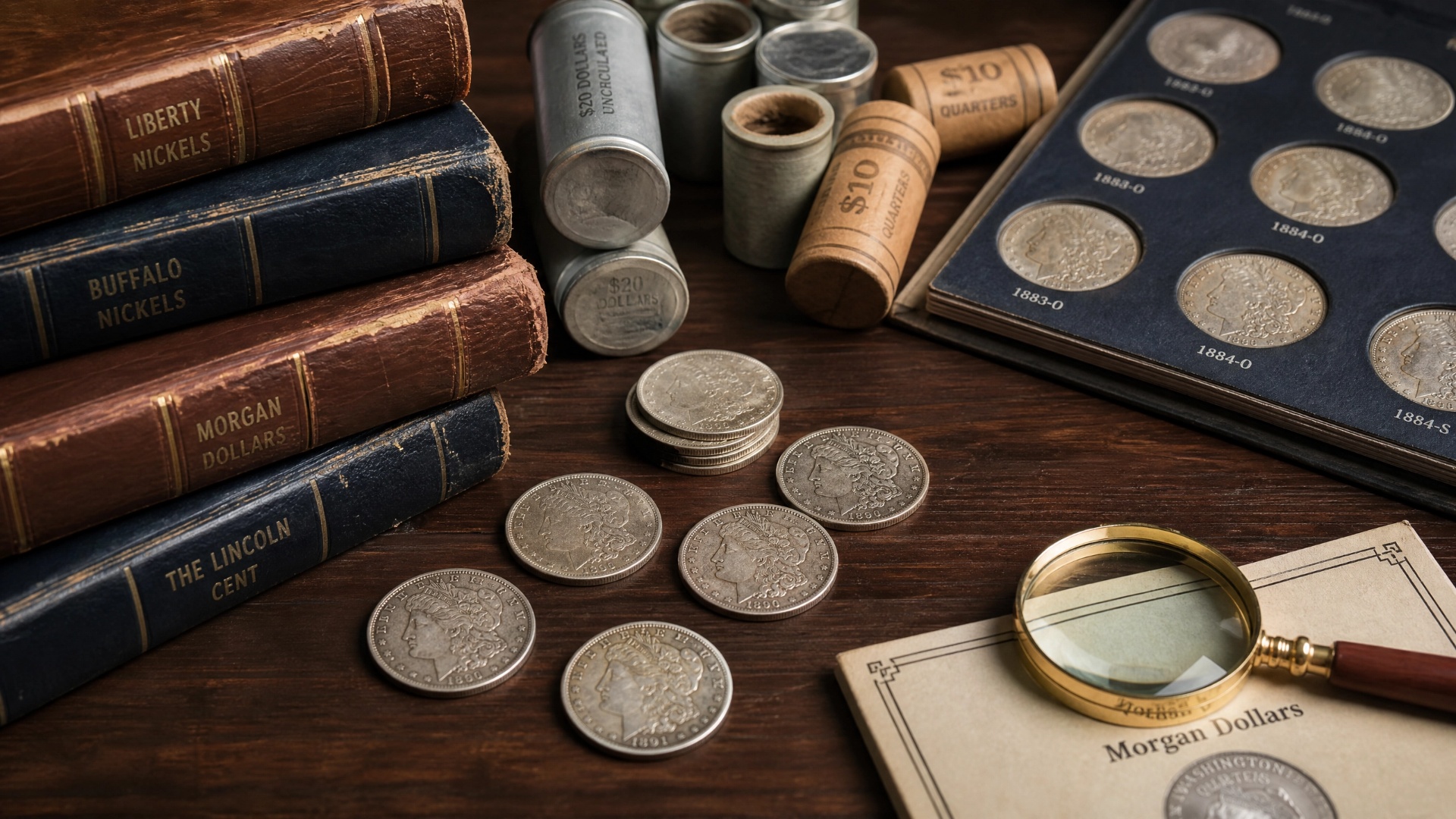
When you inherit a coin collection, the single most important thing is to not alter the coins or their storage. Cleaning inherited coins can remove toning, wear surfaces, and grading potential, and it can sharply reduce numismatic value even if the collection looks dusty or “messy.” For example, a silver Morgan Dollar or Walking Liberty Half Dollar in original condition can be worth 10–50 times its melt value depending on date and grade, but scrubbing or polishing can drop that value to nearly just bullion level.
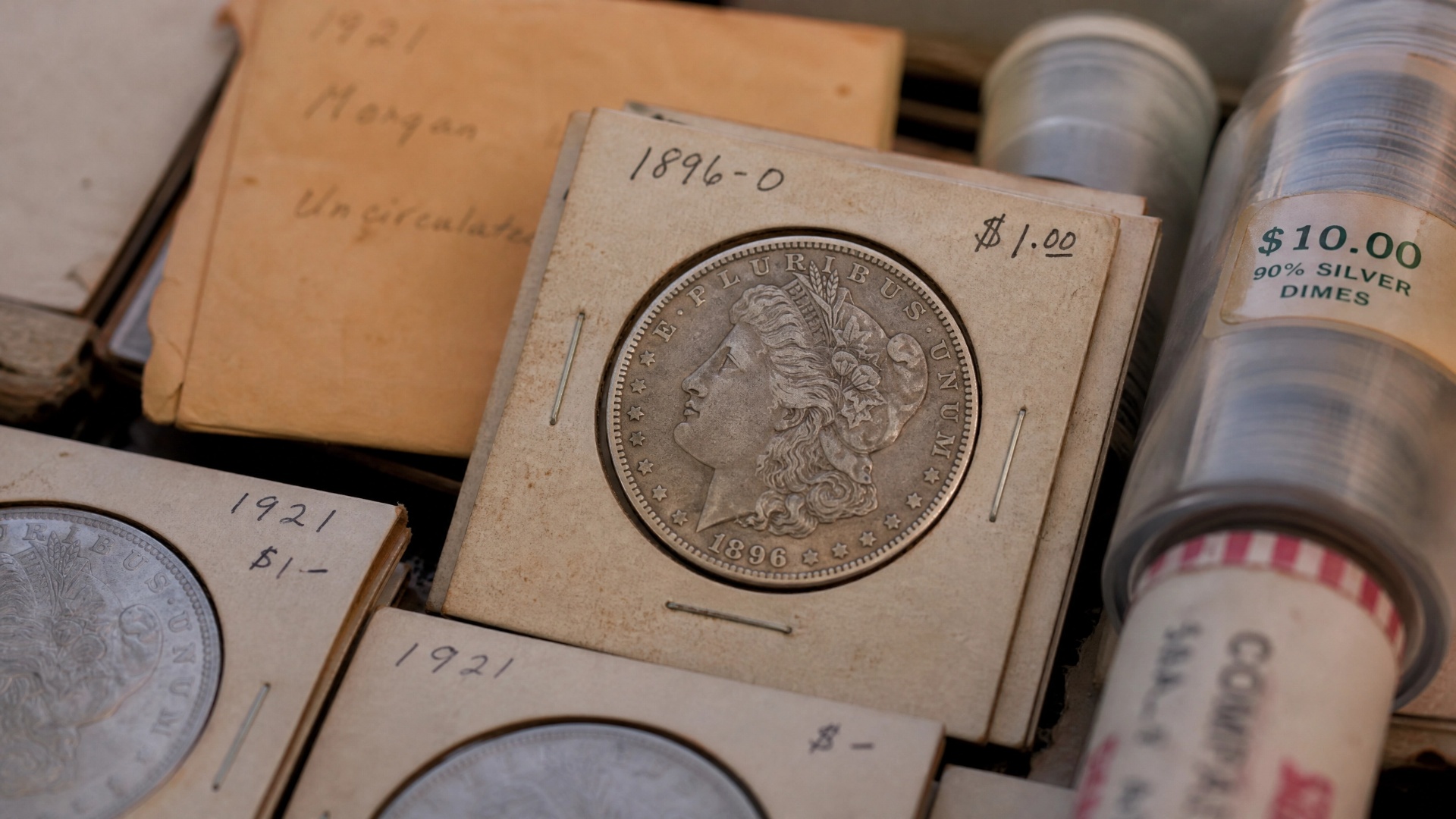
Leave coins in their original albums, flips, tubes, or boxes exactly as you found them. If multiple boxes or drawers are involved, keep them separate and label them with simple notes (for example, “Mom’s U.S. coins” or “Grandpa’s silver dollars”) so you can return to the same state if you decide to store or sell the collection later. If you later decide to sell or insure the collection, preserving its original condition protects both sentimental and monetary value.
Step 2: Sort and Group the Coins You Inherited
Before you schedule a visit with a coin dealer, a simple sorting process helps both you and the dealer see value faster and avoid treating everything as scrap metal. Sorting does not require expertise—just a few minutes and a few basic categories.
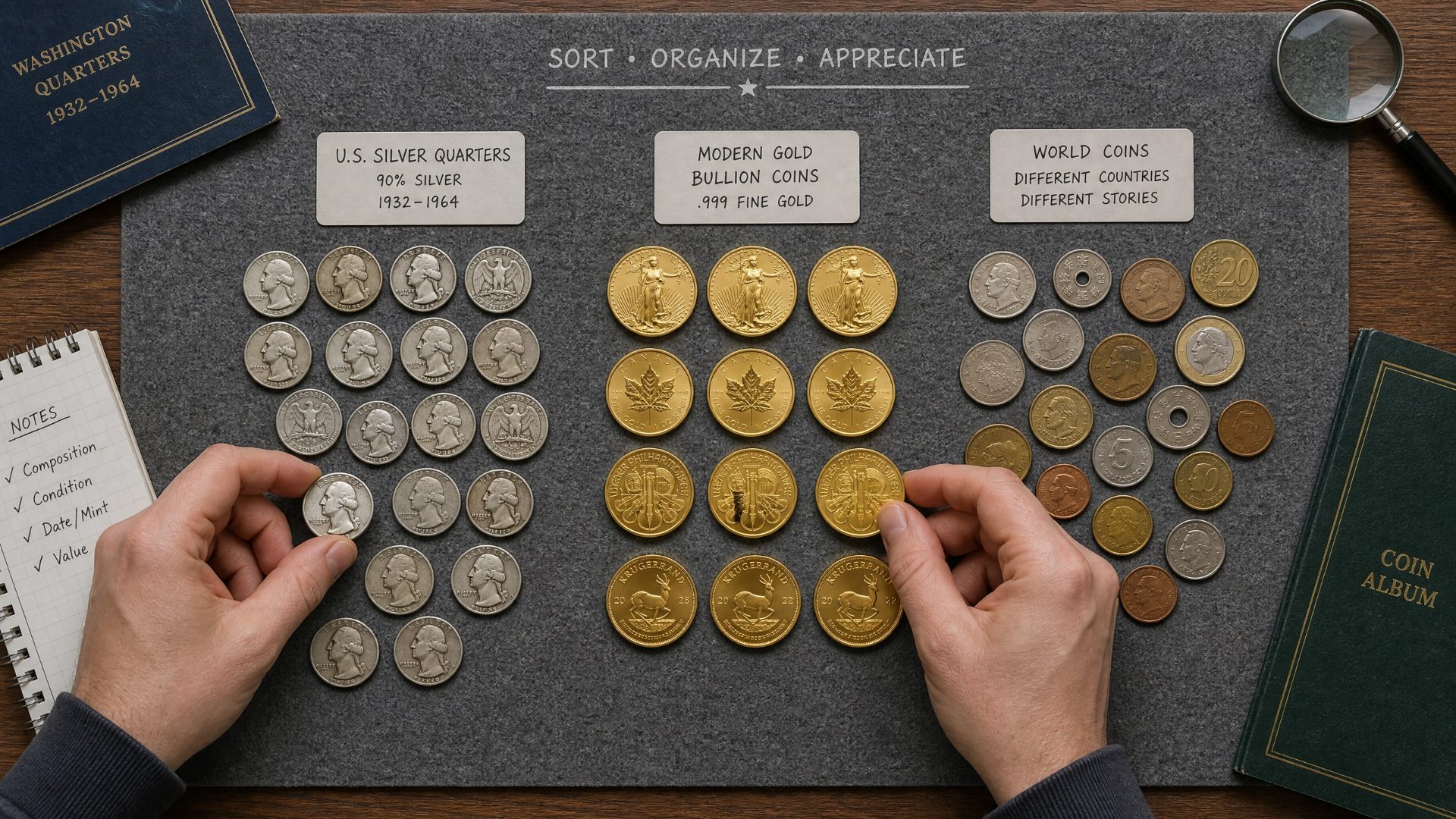
Here’s a practical way to group inherited coins:
- U.S. coins: cents, nickels, dimes, quarters, half‑dollars, and silver coins separately from copper‑nickel.
- World coins: foreign coins by country or “miscellaneous world” if you’re unsure.
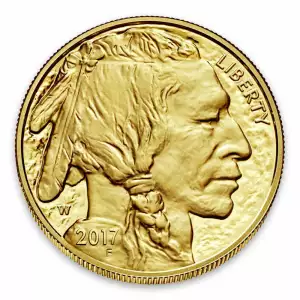
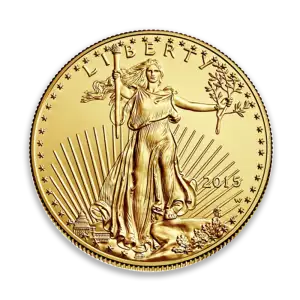
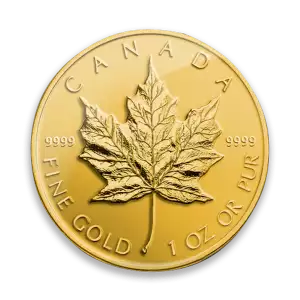
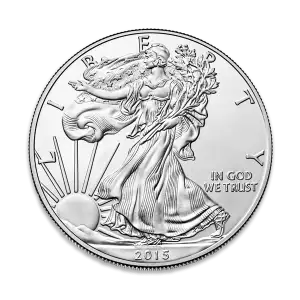
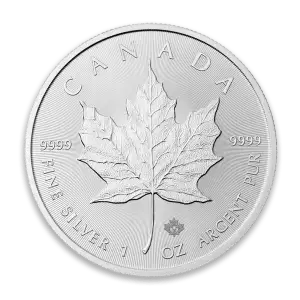
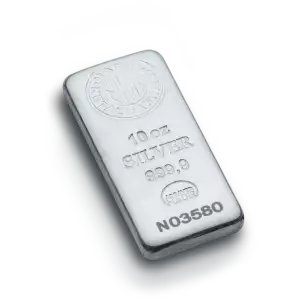
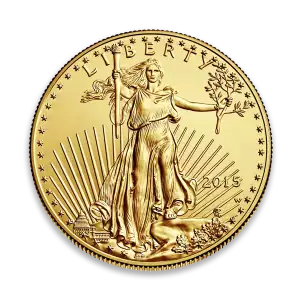
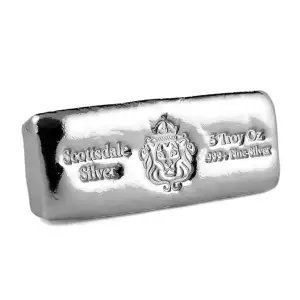
- Bullion‑style coins: modern gold or silver coins (e.g., American Eagles, Maple Leafs) and rounds that look more like bars.
- Loose coins vs coins in albums: keep albums intact and set aside any loose, possibly higher‑value pieces.
You don’t need to identify every coin perfectly—just a rough separation lets the dealer quickly spot bullion metal, common material, and potentially collectible coins such as older silver dollars or commemorative pieces. If you decide to sell, you can later ask which coins are worth keeping for sentimental or long‑term value.
What You Should Bring to a Coin Dealer in Arizona
Arizona’s coin market benefits from active demand for U.S. silver and Mexican bullion coins, especially near retirement communities where collecting is popular. Bringing your coins in an organized, untouched condition aligns well with how local dealers evaluate inherited collections.
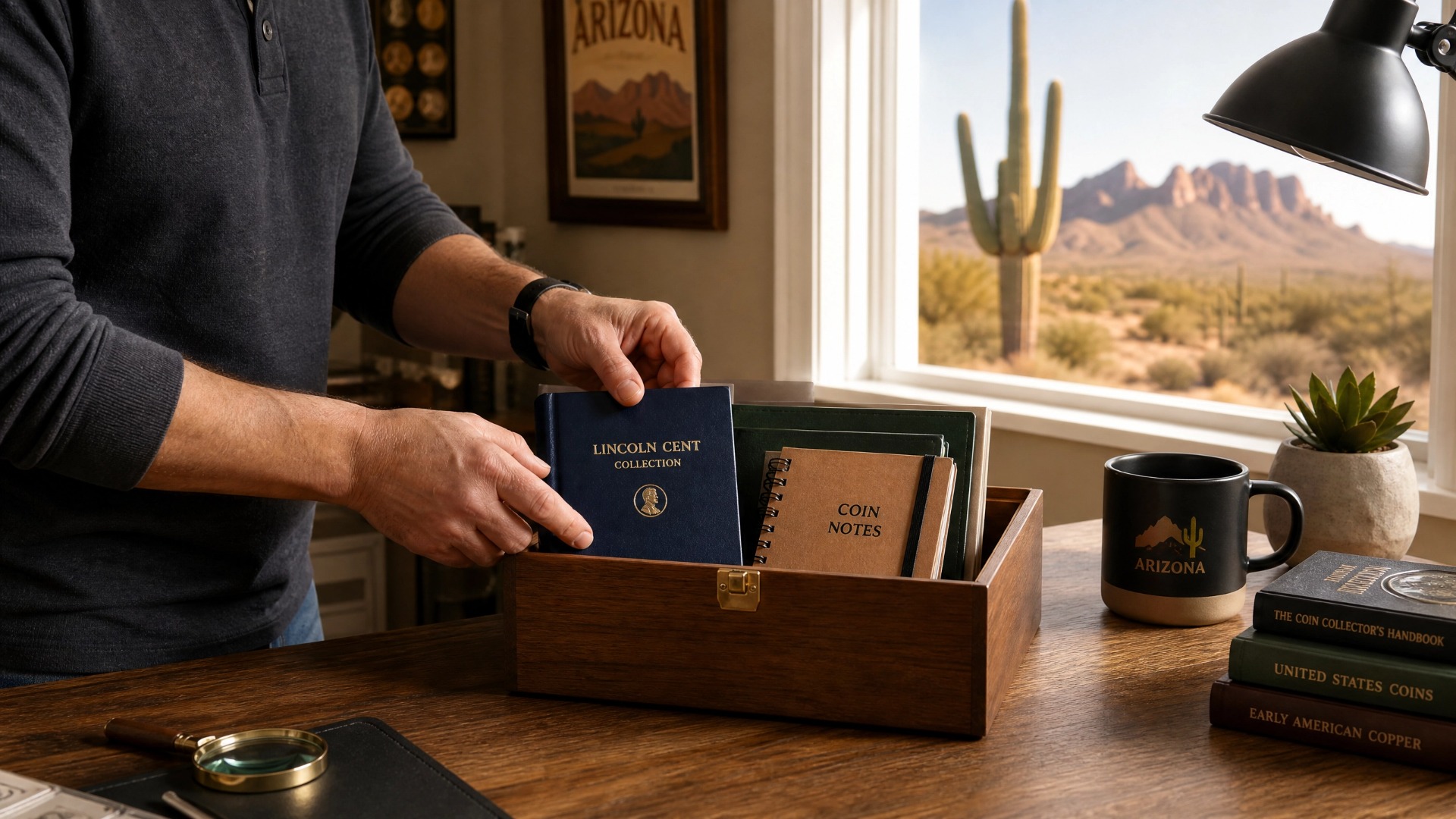
When you visit a coin dealer in Arizona, consider bringing:
- All coins and albums as you found them, without cleaning or reorganizing.
- Simple notes on what you know about the collection (who collected it, how long it was held, any special pieces you recall).
- Any prior appraisals, receipts, or grading certificates (e.g., PCGS or NGC holders), which can speed up the process and justify higher offers.
- A government‑issued ID if you plan to sell, as required by local regulations.
Dealers often see large silver‑dollar sets or pre‑1965 U.S. silver circulating coins from retired collectors, so having a rough inventory ready helps them estimate value more efficiently.
Step 3: Decide Why You’re Visiting a Coin Dealer
Understanding your goal before you visit a coin dealer turns a vague “what are these worth?” into a focused conversation. Most people with an inherited coin collection in Arizona end up deciding between three paths.
- Just want to know the value: A quick market‑value check lets you see what the collection might be worth and whether it’s mainly bullion or has collector material.
- Thinking about selling some or all: If you want to sell inherited coins to a dealer, you can request a purchase offer and ask which pieces are the most valuable.
- Need an appraisal for insurance or estate planning: A formal appraisal produces a written report useful for probate, asset division, or insurance documentation.
Clarifying this ahead of time makes it easier to ask the right questions and choose the right type of service. A reputable Arizona coin dealer can help you decide whether you need a simple evaluation, a formal appraisal, or a sale‑focused consultation.
Types of Services: Quick Check vs Formal Appraisal vs Sale Consultation
Coin dealers in Arizona commonly offer three levels of service, each with different time, cost, and documentation expectations. Understanding these options helps you choose what fits your situation.
| Service type | Typical time | Typical cost | Documentation | When to choose it |
|---|---|---|---|---|
| Quick value check | 15–45 minutes (depending on collection size) | Usually free if you’re considering selling | Verbal summary, no written report | You just want to know what the collection is worth and whether selling makes sense. |
| Formal appraisal | 1–3 hours or scheduled appointment for large collections | Fee based on time or value (often $100–$300+ for multi‑box collections) | Written, itemized report suitable for insurance or estate purposes | You need documentation for probate, insurance, or a formal valuation. |
| Sale consultation / offer | 30 minutes–2 hours depending on complexity | No extra fee beyond the offer amount | Verbal or simple written offer, sometimes with breakdown by category | You’re ready to sell some or all of the collection and want a clear purchase price. |
In Arizona, quick checks are often sufficient for smaller inherited collections, while formal appraisals are recommended for larger, more diverse holdings or those tied to estate planning.
When to Get a Professional Appraisal for an Inherited Collection
Not every inherited coin collection requires a formal appraisal, but certain situations strongly benefit from one. A professional appraisal gives you a documented view of value, which can be important for estate decisions, tax planning, or if multiple heirs are involved.
Consider a full appraisal if:
- The collection is large or mixed (U.S. coins, world coins, bullion, proof sets).
- The coins were kept by a serious collector, with albums, folders, or grading holders.
- There is a possibility of rare or higher‑value issues that may not be obvious on a quick glance (for example, a bag of Morgan Dollars or a set of key‑date Barber coins).
Many Arizona coin dealers distinguish between informal value checks and formal written appraisals. A value check is usually verbal and may be free when you’re thinking of selling, while a formal appraisal requires more research and is often offered at a fee. The key is to ask up front what type of service you’re getting and how it will be documented.
How to Avoid Being Underpaid for Inherited Coins
One of the top concerns for people who search “how to avoid being underpaid for inherited coins” is being offered only melt value on coins that have additional collector value. A few simple strategies can help protect your interests without turning the visit into a negotiation war.
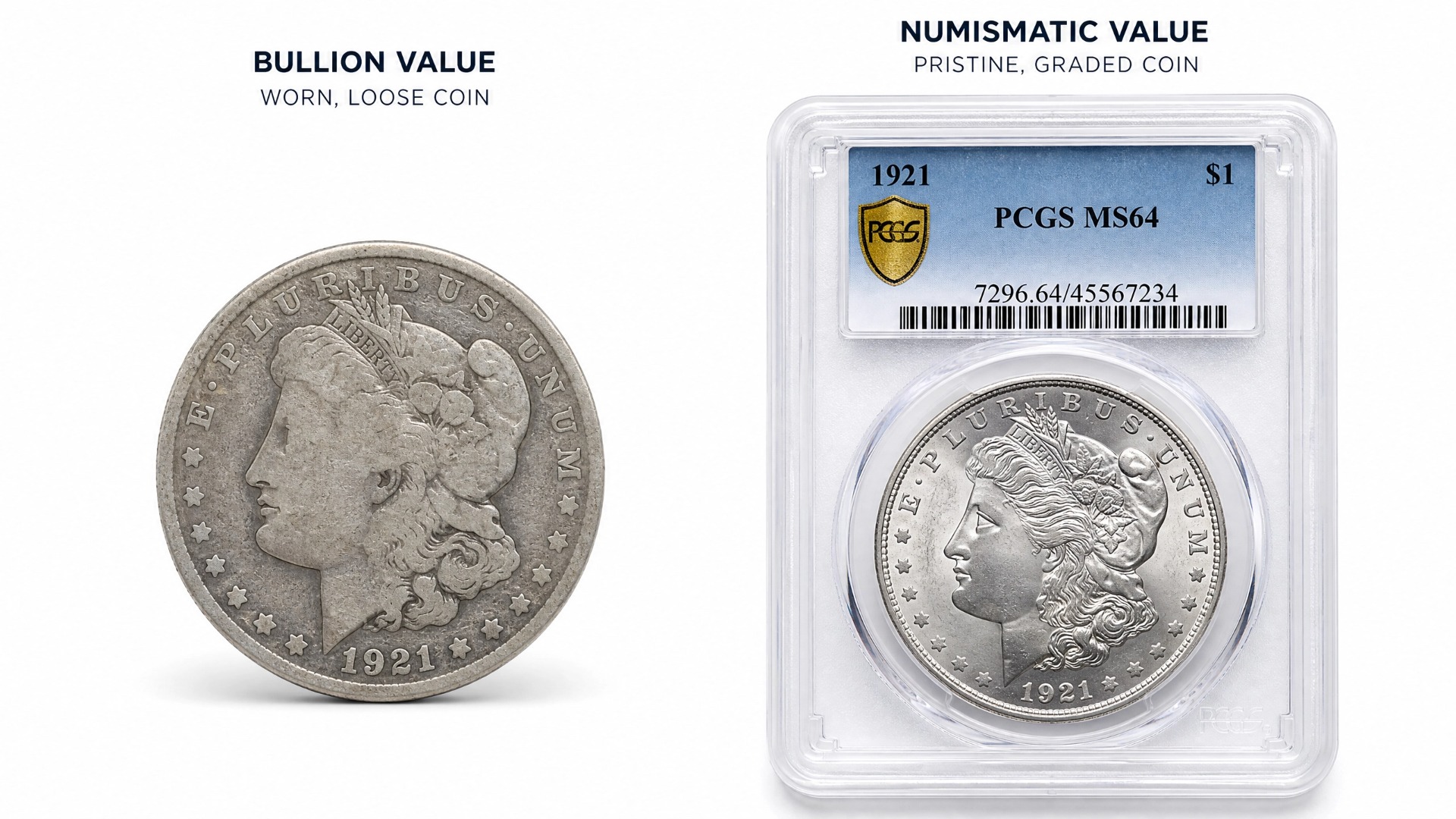
- Know the difference between bullion and numismatic value. If you hear a dealer say “it’s worth scrap,” ask if certain coins might have value above metal content. For example, a pre‑1965 U.S. silver quarter can be worth far more than its weight in silver if it’s a key date or in good condition.
- Ask how the offer is calculated. A fair dealer will reference current spot prices, grades, and recent market data, not just “this is what we pay.”
- Get written offers where possible. If you receive a written offer, you can compare it with other opinions or revisit it later if you change your mind.
- Don’t feel pressured. If the dealer insists you must sell on the spot, that’s a red flag; you have the right to take time to decide.
PCGS and NGC certified coins often trade at a discount to retail but a premium to raw bullion, so understanding grading basics can help you spot when an offer is too low.
Questions to Ask a Coin Dealer About an Inherited Collection
Asking clear questions can quickly separate a professional coin dealer from a generic gold buyer. If you’re unsure what to ask a coin dealer about an inherited collection, these questions are a strong starting point.
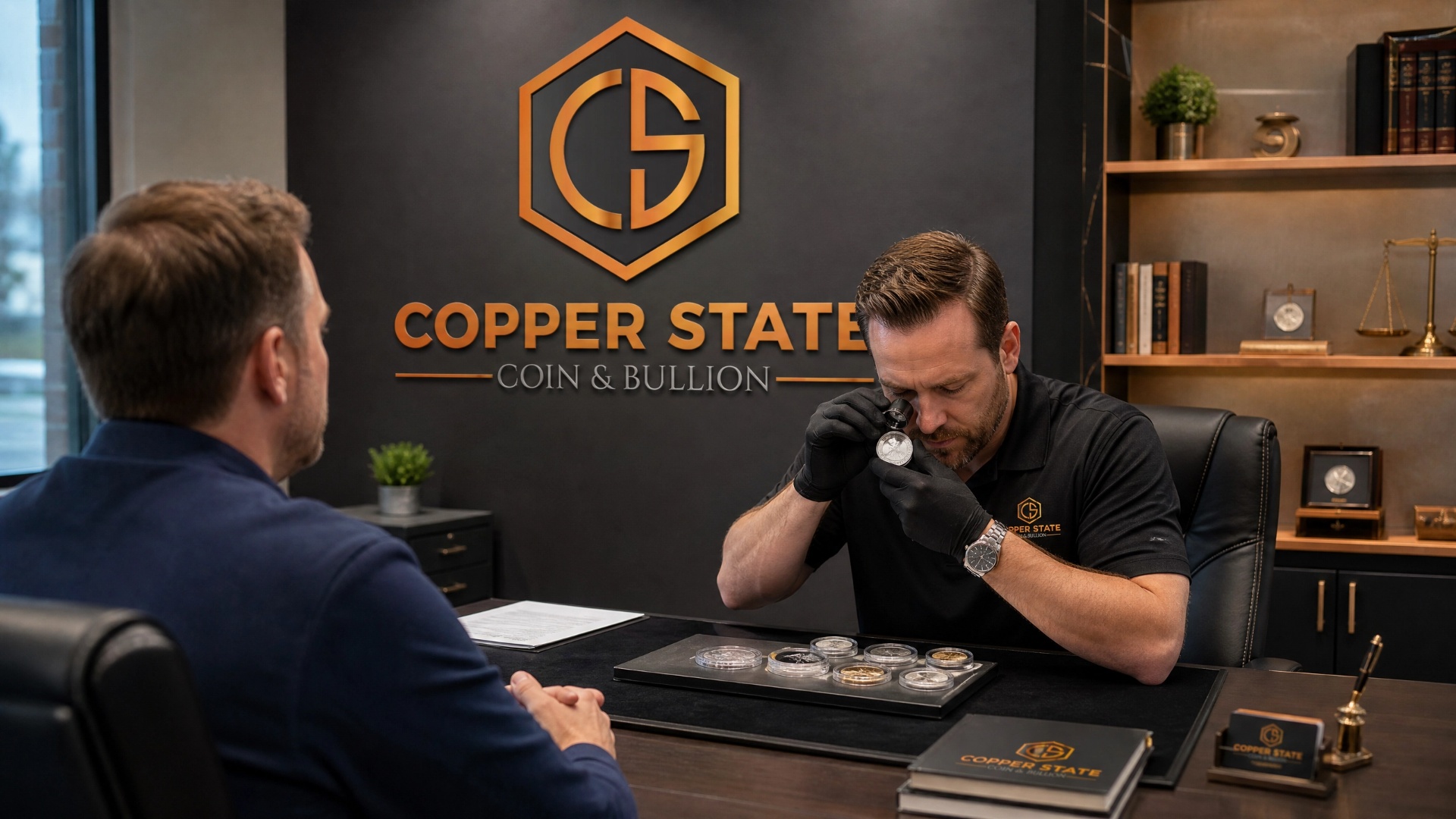
- “Do you look at the collector value of these coins, or just at their metal content?”
- “Can you point out which coins or groups are the most valuable in this collection?”
- “Do you offer a written appraisal if I need one for insurance or estate planning?”
- “How do you determine your offer for inherited coins—do you use current market prices or something else?”
- “If I decide to sell only part of the collection, can you help me identify which pieces to keep?”
- “How long will it take you to review a collection like this?”
- “Do you buy back graded coins (PCGS/NGC) differently from raw coins?”
- “What happens if some coins are in poor condition or damaged?”
A reputable Arizona coin dealer will welcome these questions and answer them in plain language. If someone gets defensive or dismissive, that’s a warning sign worth paying attention to.
What If Some Coins Are in Poor Condition?
When coins are heavily worn, damaged, or corroded, many people assume they’re worthless. In practice, even coins in poor condition can have value depending on metal content and scarcity. For example, a heavily worn Benjamin Franklin half dollar or Mercury dime may not be collectible, but it still contains 90% silver worth more than its face value.
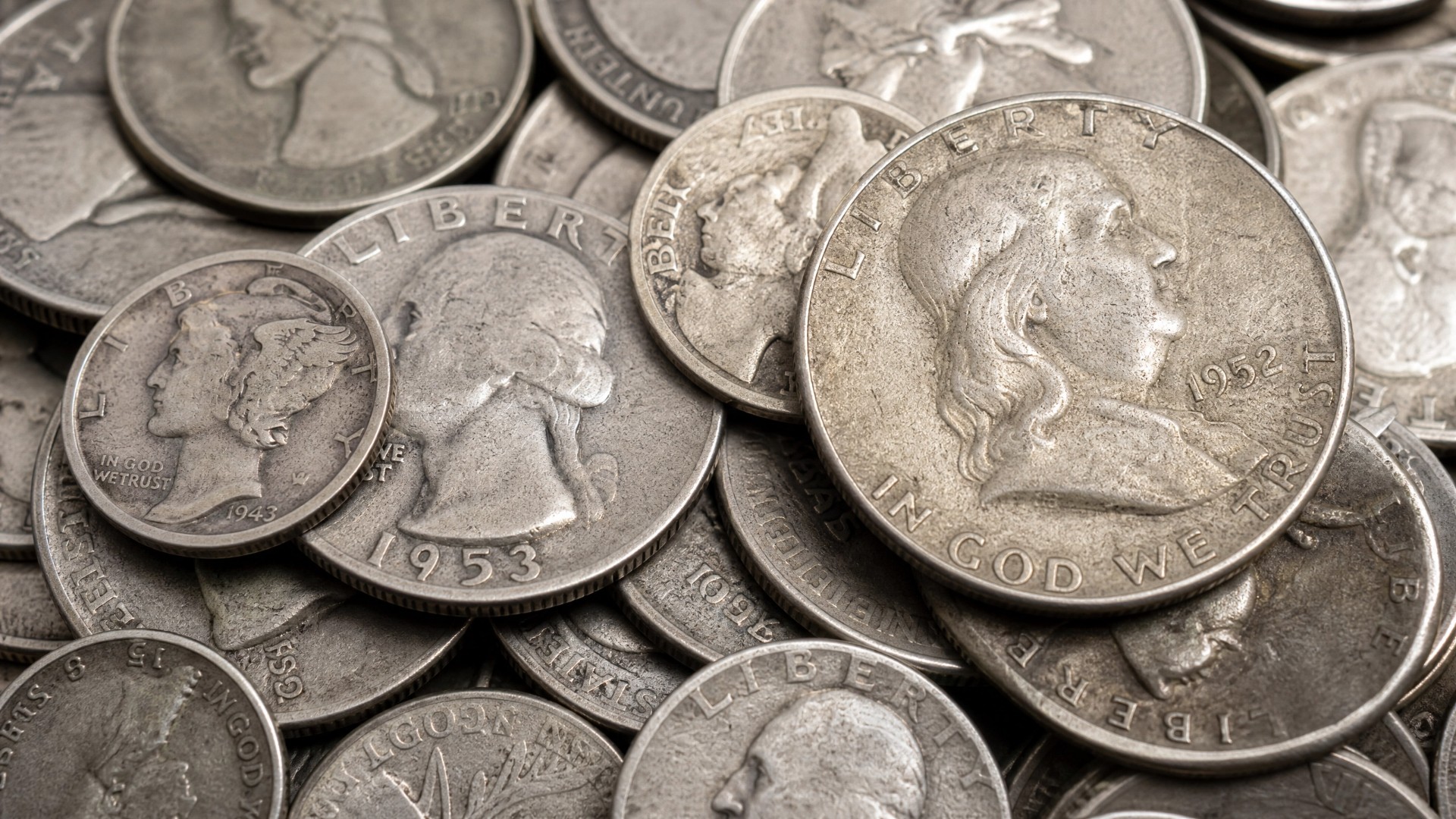
If you’re not sure, ask the dealer to separate coins into three tiers:
- Clearly collectible (good condition, key dates, or graded coins).
- Possibly collectible but lower‑grade or common dates.
- Essentially bullion or “junk silver” with little numismatic upside.
Then decide whether to keep any of the higher‑tier coins for sentimental or long‑term reasons, sell mid‑tier coins outright, and treat low‑tier coins as bullion.
Options If You’re Not Ready to Sell Inherited Coins Yet
Selling is only one way to handle an inherited coin collection in Arizona. If you search “options if you are not ready to sell inherited coins yet,” you’re likely weighing sentimental value, potential price growth, and emotional comfort.
- Keep a small, meaningful subset. Retain a few coins or a set that connects you to your family member’s memory or interest in collecting.
- Store the rest securely. Use a home safe, bank box, or similar secure storage to protect the rest of the collection while you decide what to do.
- Get a basic appraisal and revisit later. Even a simple evaluation can give you a baseline view of value; you can revisit in a year or two if prices rise or if heirs are ready to make decisions.
- Work with a dealer on a catalog. Some dealers will help you document what you have, which can be useful if you eventually want to sell or pass the collection to the next generation.
Arizona’s active retirement‑collector market means many people keep parts of inherited collections as long‑term holdings, occasionally selling subsets as bullion when prices move favorably.
FAQ: Inherited Coin Collections in Arizona
What should I do first with an inherited coin collection?
First, leave the coins alone—don’t clean or remove them from albums. Then, sort them into simple groups (U.S., world, bullion, loose) and decide whether you want a quick value check, an appraisal, or a sale when you visit a coin dealer.
Do I need to clean inherited coins before taking them to a dealer?
No. Cleaning inherited coins can remove original surfaces and reduce collector value. Take them to a dealer exactly as you found them, in albums or holders whenever possible, and let the appraiser see their true condition.
How do I know if my inherited coins are worth more than their metal value?
A dealer can help you determine if any coins have numismatic (collector) value above their bullion content. If you hear that everything is “worth scrap,” ask specifically whether certain dates, mints, or graded coins are worth more than melt price. Classic series like Morgan Silver Dollars or Walking Liberty Half Dollars often carry significant premiums in higher grades.
When should I get a professional appraisal for an inherited collection?
Get a professional appraisal if the collection is large, clearly built by a serious collector, or if you need documentation for an estate, probate, or insurance coverage. Many Arizona coin dealers offer both quick value checks and formal written appraisals tailored to local market conditions.
How can I avoid being underpaid for inherited coins?
Underpayment is more likely when you accept only a melt‑value offer without asking about collector value. Ask how the dealer determines offers, request written offers when possible, and consider getting a second opinion if something feels off. Knowing that certain coins can be worth many times their melt value encourages you to ask for a more detailed review.
Should I keep or sell an inherited coin collection in Arizona?
There’s no one‑size‑fits‑all answer. Many people keep a small subset as a memento and sell the rest, or store the collection securely and revisit the decision later. A dealer can help you see which coins are most valuable and what makes sense for your situation, especially in Arizona’s active silver and bullion market.
What if I’m not ready to sell yet—can I still get it appraised?
Yes. You can get an appraisal for an inherited collection even if you’re not ready to sell. A written appraisal can help you understand its value, plan for the future, and decide when the right time to sell might be, while still allowing you to keep the collection for the time being.
How long does a coin evaluation take?
A quick value check usually takes 15–45 minutes, depending on how many coins you bring. Larger or mixed collections may require a scheduled appointment lasting 1–3 hours, especially if you request a formal appraisal. Ask the dealer ahead of time so you can plan your visit.
Can I sell part of an inherited collection and keep the rest?
Yes. Many dealers are happy to help you identify which coins are worth more than melt value, which can be sold, and which you might want to keep as mementos. You can choose to sell only bullion‑type coins, key dates, or specific categories while retaining the rest of the collection.
What is PCGS/NGC grading and does it matter when selling?
PCGS and NGC are professional grading services that evaluate coins’ condition on a 1–70 scale and encapsulate them in tamper‑evident holders. Grading matters because a certified coin often has higher liquidity and a more predictable value than an uncertified piece, especially for higher‑grade or scarcer issues. Dealers may adjust offers based on certification and current market demand for slabs.
What should I do if some of the coins are in poor condition or damaged?
Coins in poor condition can still have value based on metal content, especially if they are older U.S. or Mexican silver issues. Ask the dealer to separate your collection into clear tiers (collectible, possible numismatic, and bullion‑only) so you can decide which coins to keep, which to sell, and which to treat as scrap silver.
What local factors should Arizona collectors consider before selling inherited coins?
Arizona has an active market for silver and bullion coins, with many retirees and collectors regularly buying and selling U.S. silver dollars and other classic series. Local dealers often pay close attention to dated silver and key‑date issues, so understanding what you have and getting a local quote can help you avoid underestimating your collection’s real‑world value in the Arizona market.
If you've inherited a coin collection in Arizona and want to know what you have, Copper State Coin & Bullion offers a no-pressure evaluation at two Valley locations — most visits take under 45 minutes. Bring the collection as-is, and we'll walk you through exactly what you have, what it's worth, and what your options are.