For many Arizona households, “safe ways to store gold and silver at home” means protecting bullion and coins from theft, extreme heat, humidity, and poor handling—without turning your house into a vault or making your family less safe. This guide walks you through realistic storage strategies, explains how to choose a home safe, when to consider a private vault, and the basics of insurance so you can keep your gold and silver bullion secure and well-preserved over time.
Quick Answer: Safe Storage in a Nutshell
The safest way to store gold and silver at home is in a properly rated, bolted home safe placed in a low‑visibility, climate‑stable area of your house, supplemented—if needed—by professional storage or insurance. In Arizona’s climate, that usually means avoiding garages, attics, and unconditioned storage spaces where heat and monsoon humidity can damage coins and packaging. Always keep a small, accessible portion at home and consider adding a private vault or insurance layer for larger holdings.
Why Safe Storage Matters for Gold and Silver Owners
Gold and silver are theft‑magnetic but also long‑term savings assets, so poor storage risks both robbery and condition damage. In Arizona, everyday storage decisions matter even more because garage and attic temperatures can soar above 120°F in summer, and monsoon‑season humidity can spike rapidly, both of which can tarnish silver and degrade packaging. Safe storage should balance theft protection, climate control, and family‑safety awareness so your home stays livable and your bullion remains in good condition.
Choosing the Right Home Safe: Fireproof vs Theft‑Rated
When people ask “choosing a home safe for storing gold coins,” they often confuse fire protection with theft protection. A fire‑rated box is designed to protect documents from heat; a theft‑rated safe is tested to resist physical attack and manipulation over time.
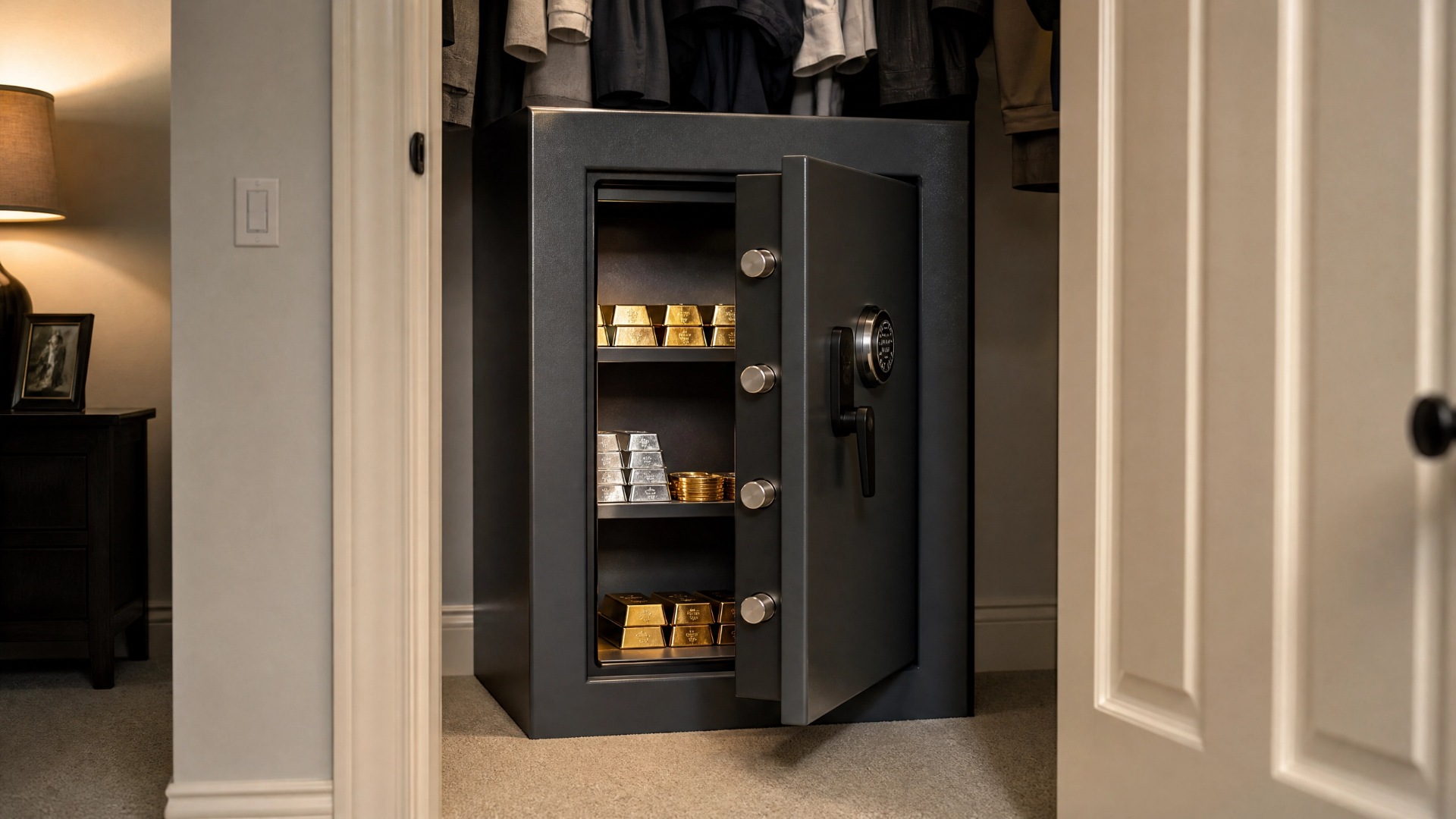
Key rating basics to know:
- Fire-rating classes (e.g., "1-hour" or "2-hour" ratings) indicate how long the interior can stay under a certain temperature during a fire.
- Theft-rating classes such as UL TL-15 or TL-30 specify how long a safe can resist tools and manipulation attempts; TL-30 is generally better for serious bullion storage.
- For gold and silver, most dealers advise prioritizing a TL-rated or similar theft-resistant safe over a purely fire-proof box, especially if you live in a typical Arizona home.
For a typical household coin and bullion kit, a TL-15 or TL-30 safe bolted to the floor in a secondary bedroom closet or a dedicated storage closet offers a strong balance of security and practicality.
Where in Your House You Should—and Shouldn’t—Store Valuables
Deciding where to place your safe is a real-world decision, not just a question of "hide it." The goal is to choose a zone that is both physically secure and family-safe.
Good zones to consider:
- A second-bedroom closet, away from the front door and main traffic.
- A back-room utility or linen closet where the safe is not obvious from the street.
- A low-traffic area that is not a child's room but still within adult-supervised space.
Zones to avoid:
- The garage, where extreme heat and lack of conditioning can damage silver and melt plastic packaging.
- The attic or areas near plumbing or water sources, especially in Arizona's monsoon season, where humidity and leaks can accumulate quickly.
- Near fireplaces, heaters, or electrical panels, where fire risk and direct heat can compromise both safety and coin condition.
Storing Gold and Silver in Arizona’s Climate
Arizona’s desert climate creates unique storage challenges that many national guides overlook. Summer heat in garages and sheds can exceed 120°F, and in humid months air‑conditioned homes may still have sudden humidity spikes when doors are left open or when the house is not fully sealed.
Best‑practice tips for Arizona:
- Avoid storing silver coins or bullion in garages, sheds, or unconditioned storage containers; use only climate‑controlled interior spaces.
- Keep silver in moisture‑controlled packaging such as Airtite capsules or NGC/PCGS slabs, or sealed Monster Boxes with desiccant where appropriate.
- Limit temperature swings by not placing coin storage directly against exterior walls or in rooms that heat up dramatically during the day.
Arizona’s active coin‑collecting and bullion‑buying market also means many households keep part of their collection visible and accessible, so combining stable storage with discreet placement is key.
How to Protect Coins from Humidity and Scratches
“How to protect coins from humidity and scratches” is critical for maintaining value, especially for silver and older coins that can toning or develop spots over time.
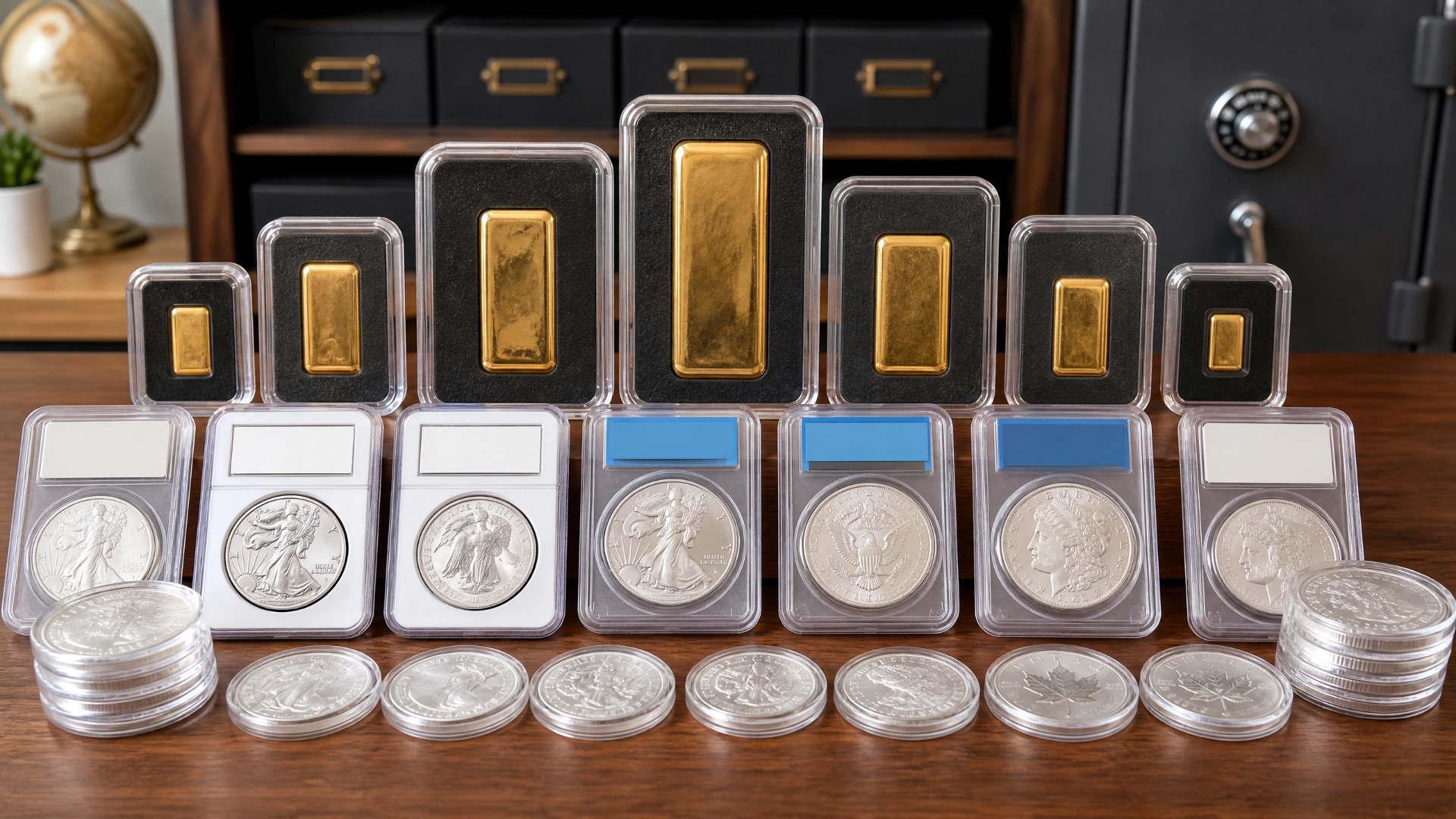
Practical tips using specific packaging types:
- Store silver dollars and higher-value silver coins in NGC or PCGS slabs, Airtite capsules, or sealed hard-plastic coin holders.
- Use intercept-type silver storage or acid-free coin flips for circulating or lower-value coins, and avoid cheap plastic bags that trap moisture.
- Keep gold bars and silver bullion in Monster Boxes or manufacturer-sealed tubes, and avoid leaving coins loose in drawers or shoeboxes where they can scratch each other.
Handling coins by the edges, avoiding bare-finger contact, and periodically checking packaging for fogging or condensation can help preserve both appearance and value.
Home Insurance for Bullion and Coin Collections
Many homeowners assume their policy automatically covers gold and silver, but standard home policies often either exclude or severely limit coverage for precious metals. This is a growing concern worth addressing proactively.
Key points to understand:
- Most homeowner policies treat precious metals separately from other contents, with low standard limits (often a few thousand dollars unless you schedule items). The Insurance Information Institute provides useful guidance on scheduling high-value property.
- Deductibles and "all-risk" vs. "named-peril" terms can heavily affect what is actually covered in the event of theft or fire.
- Specialized bullion or collectibles insurance providers such as Collectibles Insurance Services can offer dedicated coverage with higher limits and broader terms tailored to coins and bullion.
Because coverage thresholds and requirements vary, it's wise to speak with an insurance professional or your current provider about adding a scheduled-jewelry or collectibles-rider endorsement for your coins and bullion.
- Install exterior lighting and motion-sensitive lights on entry points and the garage.
- Use doorbell cameras or simple security cameras facing the front door and garage, plus visible signage that suggests your home is monitored. The U.S. Department of Justice's crime prevention resources confirm that visible deterrents reduce opportunistic property crime.
- Avoid posting photos of coins, safes, or Monster Boxes on social media.
- Keep your safe in a low-visibility room rather than the master bedroom or front hallway.
- Never block doors, windows, or stairways with safes or stacked bullion that could impede escape in a fire or emergency.
- Bolt heavy safes to the floor or wall in a structurally sound area—not on a deck, in a child's room, or above someone's sleeping area.
- Keep your storage zone in a room that is not a primary play area but still within adult supervision and easy access.
- IRA gold cannot be kept in a personal safe, bank safe deposit box, or private storage as if it were regular bullion.
- If you want to self-direct or hold physical metals in retirement accounts, you must work with a custodian and approved storage facility that meets IRS standards.
- This limitation is a natural reason to explore professional vault or dealer-storage options for IRA-held assets, even if you keep non-IRA bullion at home.
- Keep coins in NGC/PCGS slabs, Airtite capsules, Monster Boxes, or manufacturer-sealed tubes to limit exposure to moisture and scratches.
- Store silver bars and bullion in tamper-evident packaging and inspect for condensation or plastic degradation at least once a year.
- Maintain a simple checklist or photo inventory of your higher-value pieces so you can spot missing or damaged items quickly.
- Storing silver in standard plastic bags or soft plastic flips that trap moisture and can cause green or black toning.
- Putting a safe in an obvious, high-risk location such as a garage wall or directly next to the front door.
- Allowing coins and bullion to sit loose in drawers or boxes where they can scratch each other.
- Storing heavy or expensive bullion in places that could block escape routes or fall on family members during an emergency.
- Assuming homeowner insurance fully covers bullion without reading the policy limits or adding a scheduled rider.
Simple Home Security Tips for People Who Own Bullion
From our experience helping everyday investors in Arizona, “simple home security tips for people who own bullion” are surprisingly effective even without big investments. The goal is to make your home less attractive to opportunistic thieves while avoiding any obvious signs that you hold large quantities of bullion.
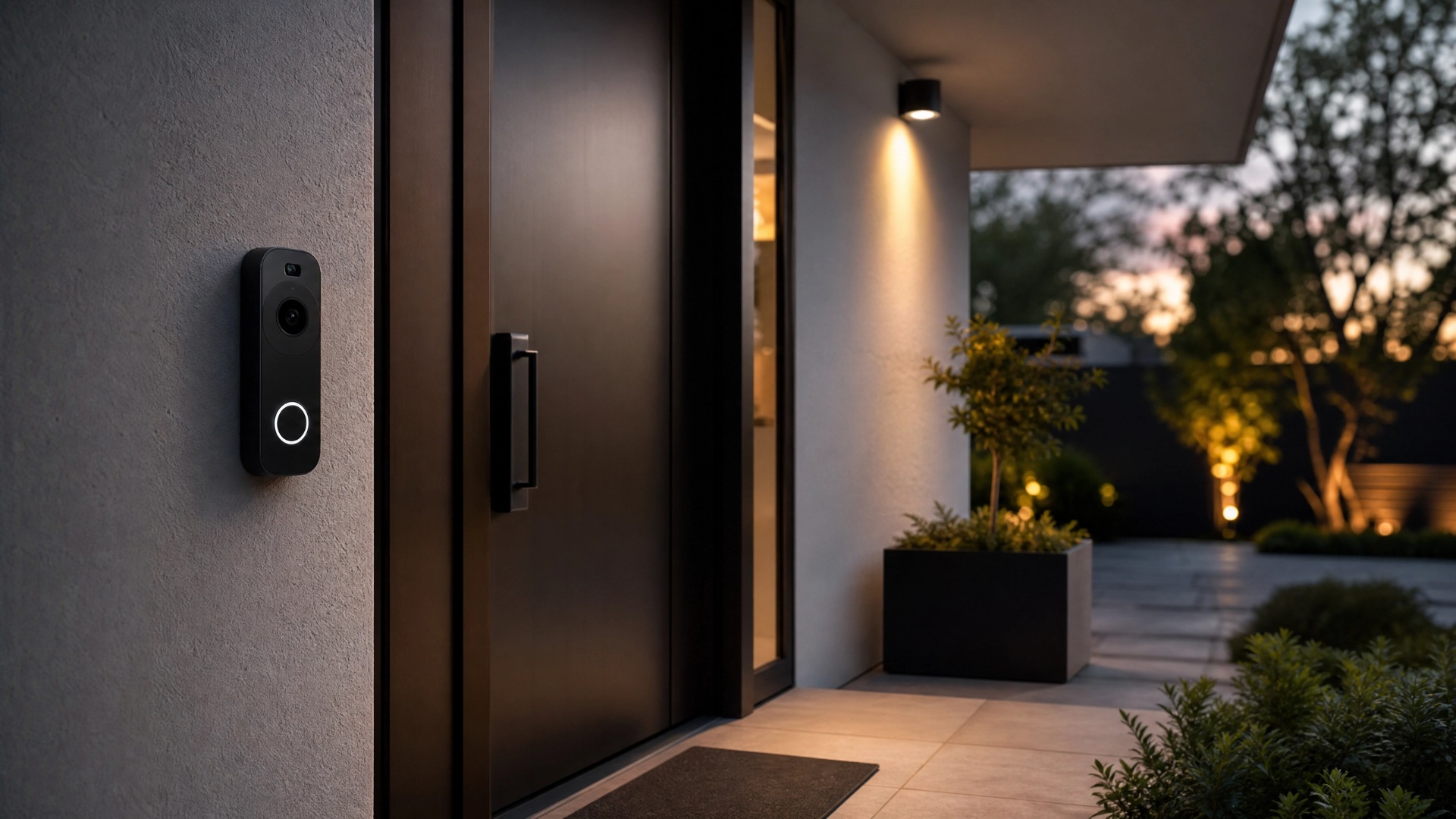
Basic but effective practices:
Security-wise, it's better to be quietly prepared than to advertise your holdings, especially in neighborhoods where break-ins are opportunistic rather than targeted.
How to Balance Home Security and Family Safety
Safe storage should never increase your family's risk. That means avoiding configurations that block emergency exits, place heavy safes above head-height, or store valuables near fire hazards.
Good safety-first rules:
By combining theft-resistant storage with clear-sighted fire- and family-safety planning, you can keep your bullion secure without making your home feel like a bunker.
Storing IRA Gold and Silver: What You Can’t Do at Home
An important limitation many investors do not realize is that IRS rules do not allow you to store IRA-eligible gold and silver at home. IRA-held bullion must be held in an IRS-approved custodial account and stored in a licensed, approved depository or vault operator.
Key points:
Home Storage vs Private Vault vs Dealer Storage Options
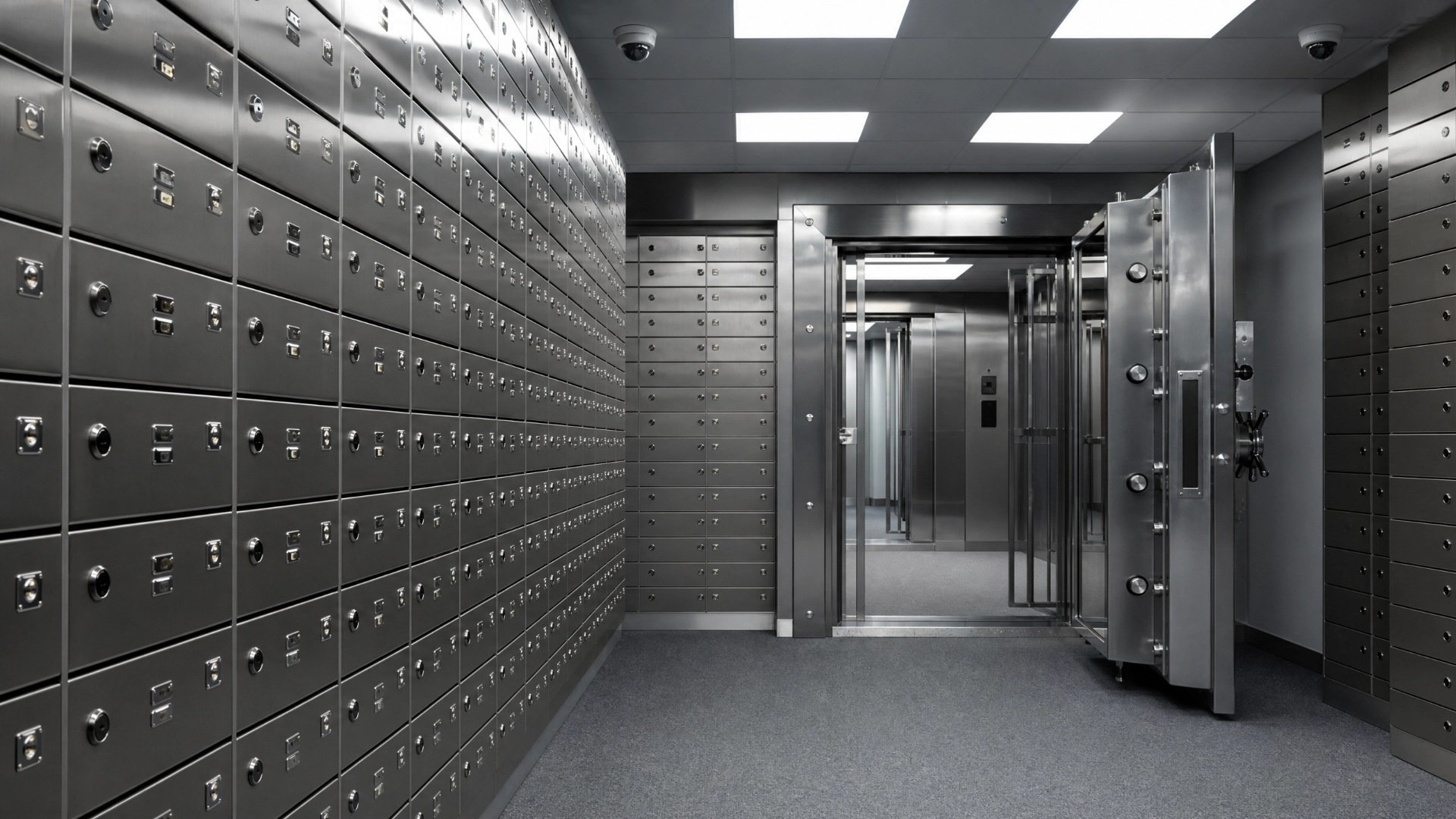
As “safe ways to store gold and silver at home” become more complex, many people compare traditional home storage with private vaults and dealer‑provided storage. The table below summarizes typical trade‑offs.
| Option | Cost level | Access | Security level | Insurance / policy fit |
|---|---|---|---|---|
| Home safe in climate‑controlled room | Low‑to‑medium (one‑time safe purchase, insurance rider) | 24/7 access; limited only by your own schedule | Moderate, depends on safe rating and placement | Typical homeowner policy with rider or schedule for coins/bullion |
| Bank safe deposit box | Low‑to‑moderate annual fee | During bank hours; limited or no weekend access | High for physical theft; depends on bank location and security | Often no insurance beyond bank liability; check your policy |
| Private vault storage | Moderate annual fee (per‑box or per‑value) | Often flexible access hours or appointment‑based access | High, with professional monitoring and climate control | May be covered by vault‑operator insurance; sometimes paired with collectibles policies |
| Dealer‑facilitated vault / storage | Varies; sometimes integrated with purchase or consignment | Access by appointment or via dealer account; variable | High, often in professional or partner vaults | May link to specialized bullion or collectibles insurance programs |
In practice, many Arizona investors keep a small, liquid set of coins or bullion in a properly rated home safe while placing larger or higher‑value holdings in a private vault or dealer‑linked storage, especially if they also hold IRA‑eligible metals that cannot be stored at home.
How to Protect Your Coin Collection from Theft and Damage
Protecting your coin collection is a combination of placement, packaging, and periodic review. Arizona's climate and active home-ownership market mean that simple habits go a long way.
What works well in practice:
For Arizona collectors, it also helps to keep finished coin sets in low-temperature, low-humidity areas and avoid unstable storage in garages or sheds.
Common Storage Mistakes to Avoid
From our experience working with Arizona bullion owners, several storage mistakes come up repeatedly and are easy to fix with a bit of planning:
Fixing these issues usually takes only a few adjustments: re-packaging, relocating your safe, and a quick review of your insurance and access plan.
FAQ: Safe Ways to Store Gold and Silver at Home
What is the safest place to store gold and silver at home?
Store them in a properly rated, bolted home safe placed in a low‑visibility, climate‑controlled room, such as a closet in a secondary bedroom. Avoid garages, attics, and unconditioned storage spaces, especially in Arizona’s extreme climate.
Is it safe to keep gold coins in a home safe near the bed or in a closet?
Yes, if the safe is bolted down and does not block emergency exits or place a heavy object above someone’s head. A closet in a quiet, non‑child room is usually a good balance of safety and access.
Should I use a bank safe deposit box for gold and silver?
Bank boxes are an option for some investors, but availability has narrowed in recent years, and access is limited to bank hours. Increasingly, people in Arizona choose private vaults or dealer‑facilitated storage instead.
How can I protect my coins from humidity and scratches at home?
Use protective packaging like NGC/PCGS slabs, Airtite capsules, or sealed Monster Boxes, and store coins in a cool, dry interior room. Avoid cheap plastic bags and keep coins away from Arizona’s humid or hot storage zones.
What are simple home security tips for people who own bullion?
Use exterior lighting, motion‑sensitive lights, and visible security cameras at entry points, and keep your safe in a low‑visibility area. Avoid posting photos of your coins or safe on social media.
How can I keep valuables secure without putting my family at risk?
Bolt heavy safes to the floor in structurally sound areas, avoid blocking doors or stairways, and keep your storage discreet and unobvious. Balance theft‑resistance with clear escape paths and family‑safety awareness.
How often should I review my home storage of coins and bullion?
Review storage at least once a year, checking for moisture, packaging integrity, and safe condition. If you add or sell coins, update your inventory and adjust your storage plan accordingly.
If you're unsure how to store your gold or silver safely at home—whether in a safe, private vault, or dealer-facilitated storage—the most practical next step is to contact us for a professional appraisal and storage review, so you can create a plan that protects both your assets and your family.