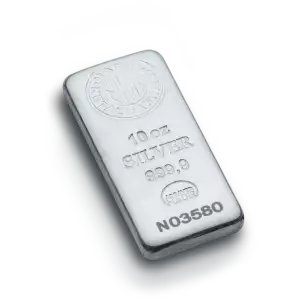
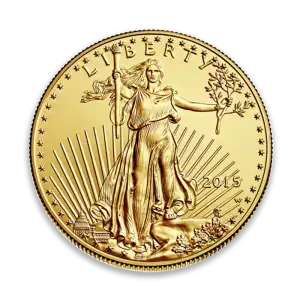
In-person dealers reduce many of the risks and delays tied to online marketplaces, and they give sellers and buyers immediate authentication, transparent pricing, and local consumer protections. This article guides collectors, investors, and people selling inherited coins through the practical benefits of working with a local Arizona coin dealer and when an online marketplace might still make sense.
For sellers and buyers in the Phoenix metro, choosing a dealer matters. Copper State Coin & Bullion brings licensed numismatic expertise, strong PCGS/NGC relationships, and complementary appraisal services, making it a practical choice for Arizonans who want secure, transparent in-person transactions.
Why choose an in-person coin dealer over online marketplaces?
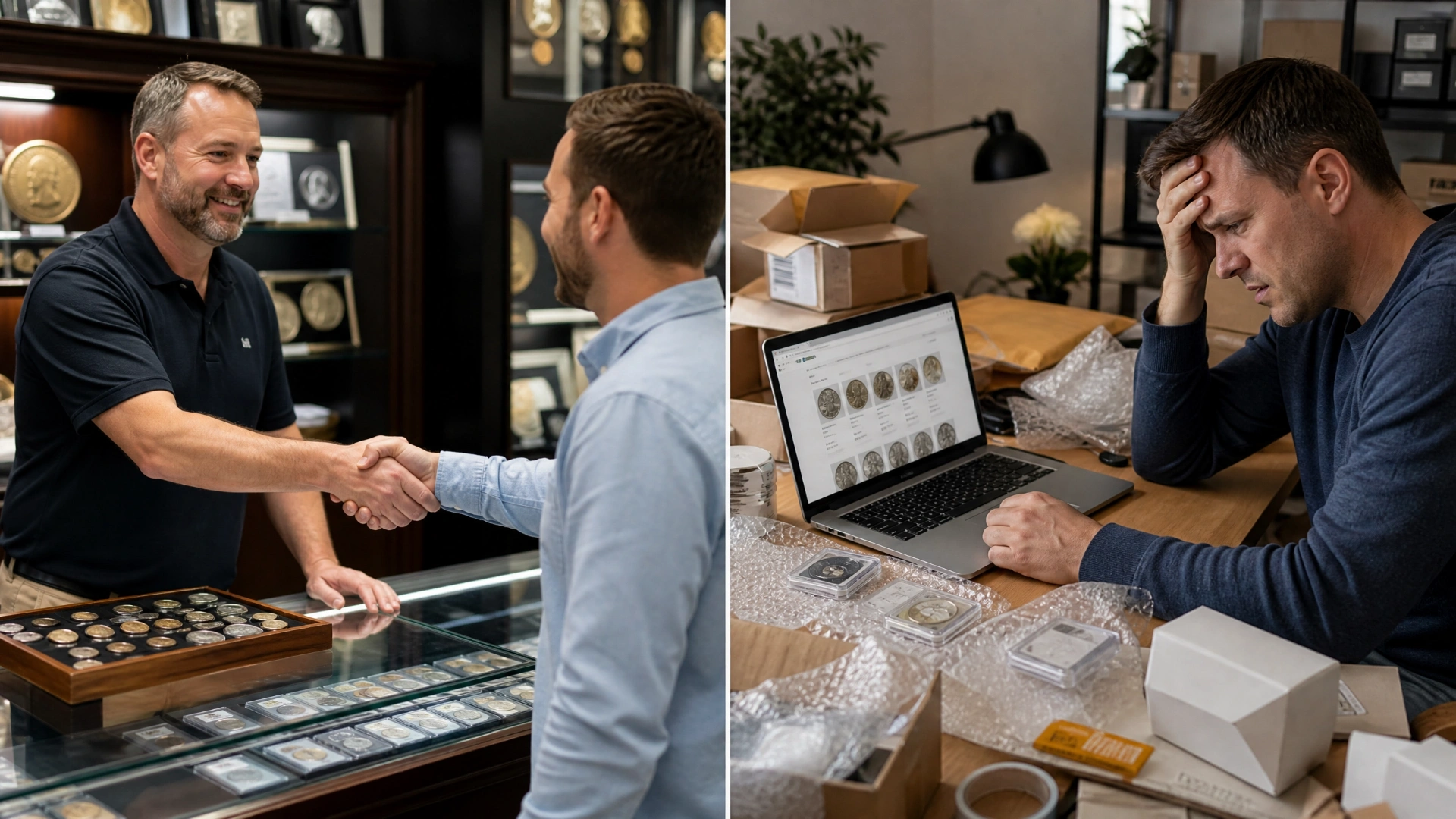
In-person dealers reduce fraud risk and provide immediate settlement. Meeting a dealer face-to-face lets you verify a coin's condition, confirm authenticity, and get an offer on the spot without waiting for auctions, bids, or delayed payments.
Online marketplaces can reach many buyers, but they introduce listing fees, shipping risks, chargebacks, and delays in payment. An in-person sale eliminates packing and transit problems and often results in faster, clearer outcomes for both bullion investors and collectors.
Key advantages of local dealers in the Phoenix metro
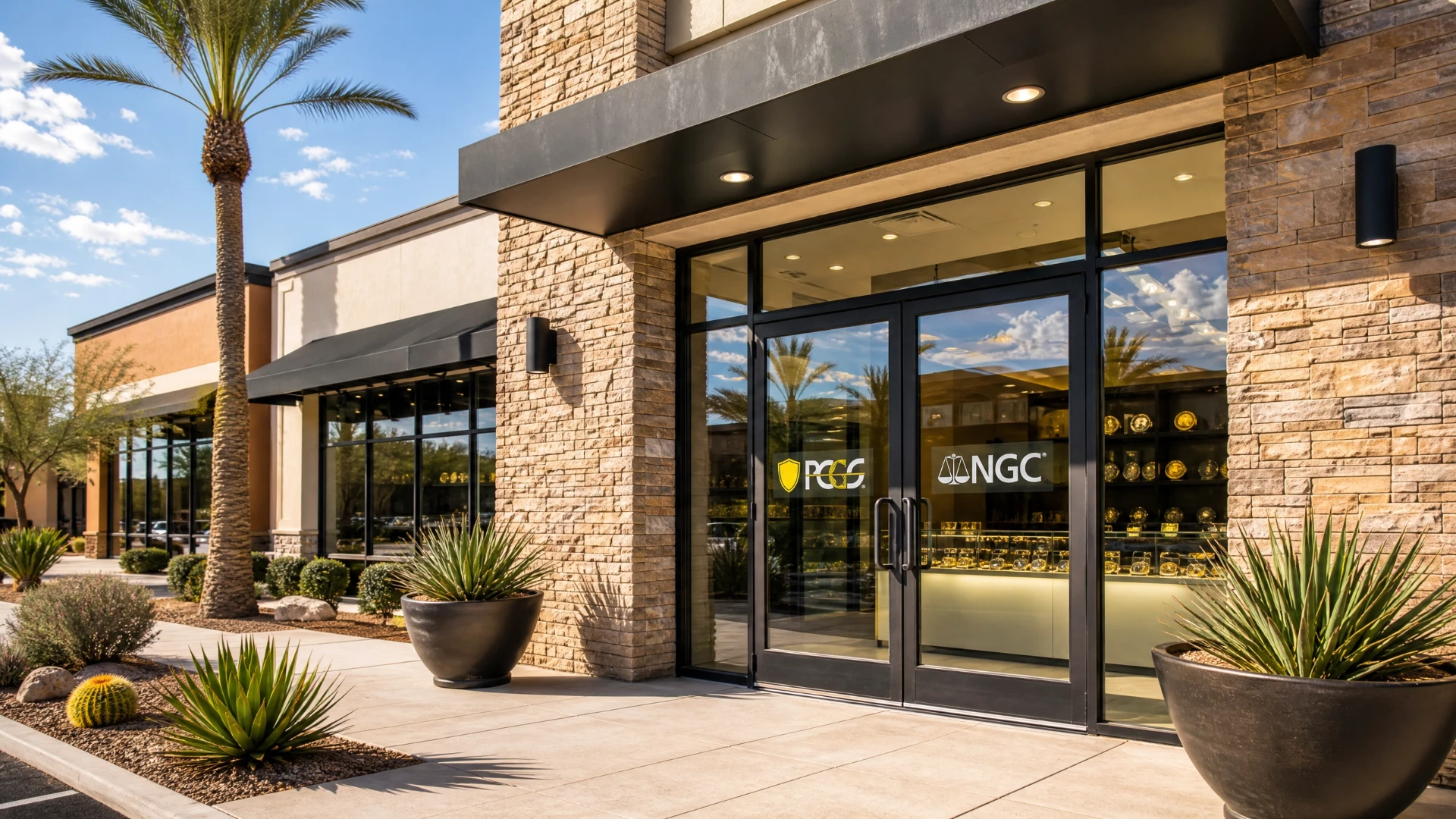
Local dealers provide same-day offers and hands-on expertise. Selling or buying at a Phoenix or Peoria location — for example, at Copper State Coin & Bullion's stores — gives you immediate inspection, faster payment, and a personal conversation about market context and provenance.
Local transactions also offer consumer protections not always present in peer-to-peer online sales. A licensed Arizona dealer typically keeps records, follows state regulations, and can provide written appraisals for insurance or estate purposes — valuable for sellers, collectors, and investors alike.
Authentication and grading — seeing is believing
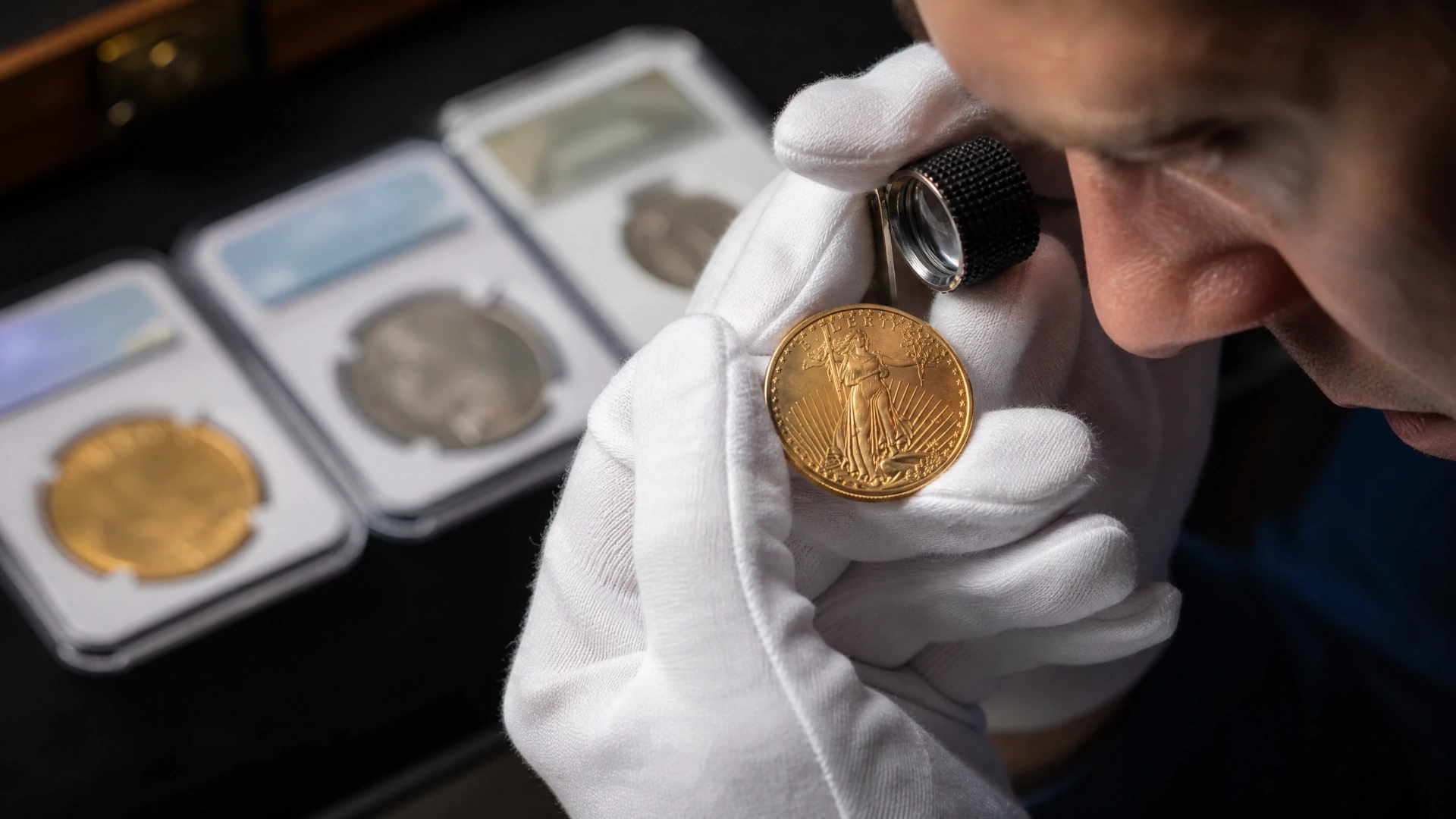
Coin grading is a professional assessment of a coin's condition and strike quality; common services include PCGS and NGC, which encapsulate and certify coins. Authentication is the process of confirming a coin's genuineness and detecting counterfeits.
Seeing a coin in person speeds up authentication and helps experienced dealers spot problems that photos can hide: subtle cleaning, hairlines, or altered surfaces. Third-party grading (PCGS, NGC) removes much subjectivity, but an in-person dealer can quickly evaluate raw (ungraded) coins and advise whether third-party grading is worth the fee. For paper money, PMG is a leading grading service for banknotes.
Pricing transparency and how dealers price bullion
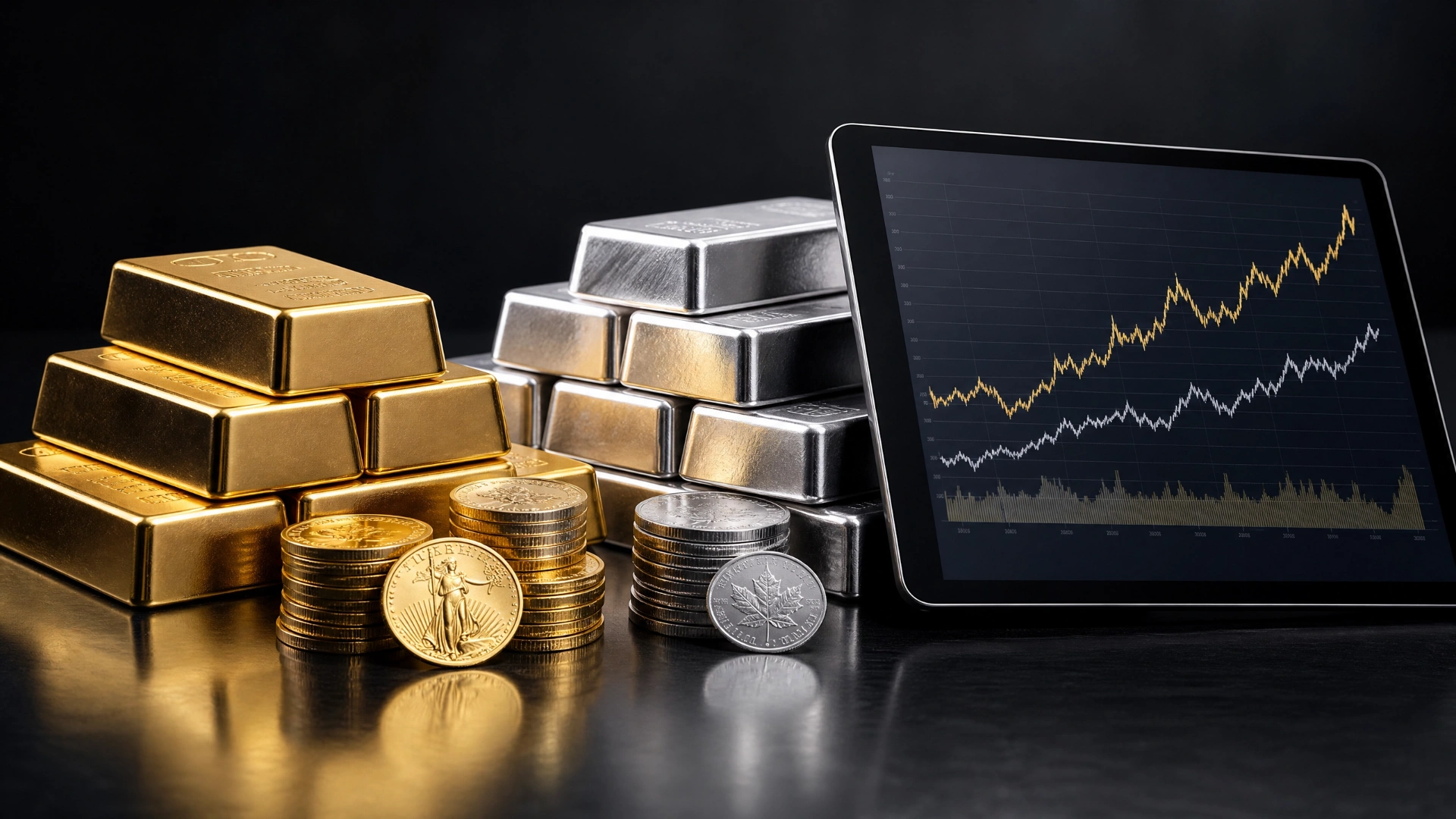
Spot price is the current market price for one troy ounce of a metal like gold or silver. Premium is the extra charged above spot to cover fabrication, distribution, and dealer margin. Melt value is the metal content value of a coin or bar, useful for bullion coins, bars, and rounds.
Local dealers quote offers based on spot price, applied premiums and discounts, and local demand; spot price is tracked by market sources such as the U.S. Mint and market data services. That transparency often results in clearer, faster negotiations than online listings where final realized price is reduced by platform fees, shipping costs, and buyer premiums. For example, eBay and auction platforms charge listing and final-value fees; shipping and insurance add cost and risk, lowering the net payout to a seller.
When online marketplaces can still make sense
Online marketplaces can outperform local sales for extremely rare, niche, or high-demand collectibles that attract global bidding. If a coin has strong auction appeal, a seller may net more after fees than a local offer.
Choose online selling only when you are comfortable with packing, shipping, buyer disputes, and the time it takes to reach sale completion. For many sellers in Phoenix and across Arizona, the tradeoffs make in-person sales a better combination of speed, certainty, and lower transactional headaches.
How to prepare coins or bullion for an in-person sale
Bring clear provenance and documentation when possible. Photos, purchase receipts, grading certificates, and any correspondence supporting provenance help a dealer assess value more quickly.
Handle coins carefully: store them in original holders or inert flips, avoid cleaning, and bring government-issued ID for transactions. If you're selling bullion bars or rounds, bring any assay or packaging information you have and be prepared to discuss purchase timing and previous ownership.
Appraisals, insurance reports, and professional services
A complementary appraisal is a high-level in-store evaluation offered at no charge to estimate value and advise on next steps. An insurance appraisal is a formal, paid report with detailed descriptions and valuation intended for policy coverage or claims.
Use a complementary appraisal to decide whether to sell, obtain a want list service, or pursue professional third-party grading. If you need documentation for insurance or estate purposes, request an insurance appraisal from a qualified numismatic appraiser; it typically includes photographs, condition notes, and replacement values.
Comparing seller scenarios — examples and real numbers
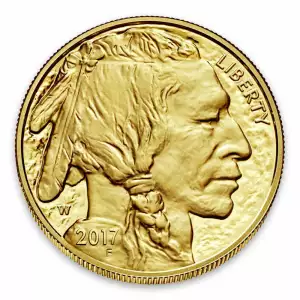
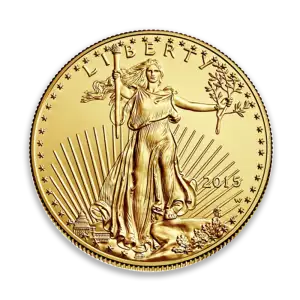
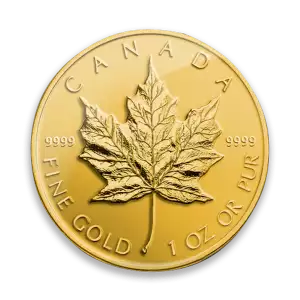
An example helps clarify tradeoffs: a 1-oz government gold coin will track spot price closely. In-person, a seller might receive an offer near spot minus a small dealer spread and no shipping or listing fees. Online, the same coin might list above spot, but after platform fees (listing + final-value), shipping, insurance, and potential returns, the net can be lower and take weeks to realize.
For graded rare coins, collectors often find better long-term value selling through specialist dealers or auction houses that reach motivated collectors. However, local dealers in Phoenix and Peoria frequently handle consignment and have established buyer networks that can match or exceed marketplace results while reducing hassle and risk.
Safety, regulation, and consumer protections in Arizona
Licensed dealers provide better transaction records and consumer protections than many private buyers. Arizona requires dealers to follow record-keeping and anti-money-laundering practices, which helps protect both buyer and seller during in-person transactions.
Verify credentials by checking industry affiliations like PCGS/NGC recognition and reading customer reviews. The American Numismatic Association offers resources for buyers and sellers; reputable dealers will be transparent about grading, returns, and appraisal services.
How to choose a reputable local dealer
Choose dealers who show clear credentials, a long track record, and transparent pricing. Look for dealers who regularly work with PCGS, NGC, or PMG and who offer complementary appraisals and insurance appraisal services.
Other trust signals include a want list service (they proactively source items), positive Google reviews, clear buying policies, and a visible online inventory. You can review common questions on our FAQ page before your visit to know what to expect.
Visit or call — what to expect at our Phoenix and Peoria locations
An in-person appraisal typically begins with a visual inspection and discussion of provenance, followed by authentication and an offer or appraisal estimate. Payment options and timing are discussed up front so sellers know when they'll be paid and whether a formal insurance appraisal is needed.
To schedule a visit or get a same-day offer, call or stop by one of our Arizona locations:
- Peoria store (Copper State Coin & Bullion): 8360 W Thunderbird Rd C103, Peoria, AZ 85381 — Phone: (623) 432-3953.
- Phoenix store (Copper State Coin & Bullion): 4550 E Bell Rd Ste 188, Phoenix, AZ 85032 — Phone: (602) 377-1944.
Both locations are typically open Monday–Friday 9:00 AM–5:00 PM and Saturday 9:00 AM–4:00 PM; Sunday is closed. Call ahead to confirm current hours and to request an appointment for higher-value items so staff can prepare a secure workspace and any necessary grading or consignment paperwork.
FAQ
Q: Can I get immediate cash when I sell gold coins in Phoenix?
A: Yes. Many local dealers, including Copper State Coin & Bullion, offer same-day payment for authenticated bullion and common-date coins once ID and paperwork are verified. Payment methods vary; confirm acceptable forms (cash, check, electronic transfer) before your visit.
Q: How much will a local dealer pay compared to eBay after fees?
A: A local dealer often delivers equal or better net proceeds than selling on eBay once you factor in listing fees, shipping, insurance, and the risk of returns. For common bullion and typical coins, avoiding those costs and getting a same-day settlement often improves the seller's realized proceeds; for extraordinary rarities, online auctions can sometimes yield higher gross prices after fees.
Q: What is coin grading and why does it matter?
A: Coin grading is a formal assessment of a coin's condition and strike, performed by services like PCGS and NGC. Grading matters because collectors and investors use grades to determine market value; graded coins typically command higher, more consistent prices.
Q: Do I need to certify coins before selling?
A: Not always. Many dealers buy raw (ungraded) coins, but third-party grading can add value for rare or borderline pieces. Ask the dealer whether grading would materially increase the expected sale price before paying grading fees.
Q: How does a complementary appraisal differ from an insurance appraisal?
A: A complementary appraisal gives a quick market estimate and selling advice at no cost. An insurance appraisal is a paid, detailed report with photos and replacement values for coverage or estate purposes.
Q: Where can I sell rare US coins in Phoenix or Peoria?
A: You can sell rare US coins at reputable local numismatic dealers such as Copper State Coin & Bullion. For in-person service and consignment options, visit or call:
Peoria: 8360 W Thunderbird Rd C103, Peoria, AZ 85381 — Phone: (623) 432-3953.
Phoenix: 4550 E Bell Rd Ste 188, Phoenix, AZ 85032 — Phone: (602) 377-1944.
Call ahead for appointments on high-value items so staff can prepare authentication and consignment paperwork.
Q: How do dealers verify authenticity in person?
A: Dealers use magnification, weight, dimensions, and authentication tools, and they cross-check with known die varieties and reference guides. For uncertain pieces, they recommend third-party authentication like PCGS or NGC.
Q: Will a dealer buy ungraded / raw coins?
A: Yes; many dealers regularly buy raw coins, but offers will reflect condition uncertainty. For higher-value pieces, grading may unlock better prices.
Q: What records or ID do I need to sell bullion in Arizona?
A: Dealers generally require government-issued ID and complete basic transaction paperwork. Record-keeping requirements help protect both parties and comply with state and federal regulations.
Q: How do shipping and buyer protections on eBay affect realized price?
A: Shipping, insurance, and platform fees reduce the seller's net proceeds, and buyer protections increase the risk of returns or chargebacks. These factors can make in-person sales financially and practically preferable for many sellers.
Q: Can I consign a rare coin with a local dealer?
A: Yes. Many dealers, including Copper State Coin & Bullion, offer consignment services where they list items for sale on behalf of the owner. This often reaches collectors through dealer channels and online listings while reducing hassle and risk.
Q: What is a want list service and how does it work?
A: A want list is a dealer-managed request for specific items you want to buy; dealers proactively source items through networks and notify you when matching inventory appears. Copper State Coin & Bullion maintains want lists for both local and online clients.
Call to Action
For secure, in-person coin and bullion transactions in Arizona, visit Copper State Coin & Bullion in Peoria or Phoenix for a complementary appraisal and same-day offers. You can also browse our currency and paper money inventory or submit a want list so our team can help you find specific coins that fit your collection or investment plan.
Peoria: 8360 W Thunderbird Rd C103, Peoria, AZ 85381 — Phone: (623) 432-3953 — Mon–Fri 9:00 AM–5:00 PM, Sat 9:00 AM–4:00 PM, Sun Closed.
Phoenix: 4550 E Bell Rd Ste 188, Phoenix, AZ 85032 — Phone: (602) 377-1944 — Mon–Fri 9:00 AM–5:00 PM, Sat 9:00 AM–4:00 PM, Sun Closed.