Why choose a local coin dealer in Tempe or Mesa?
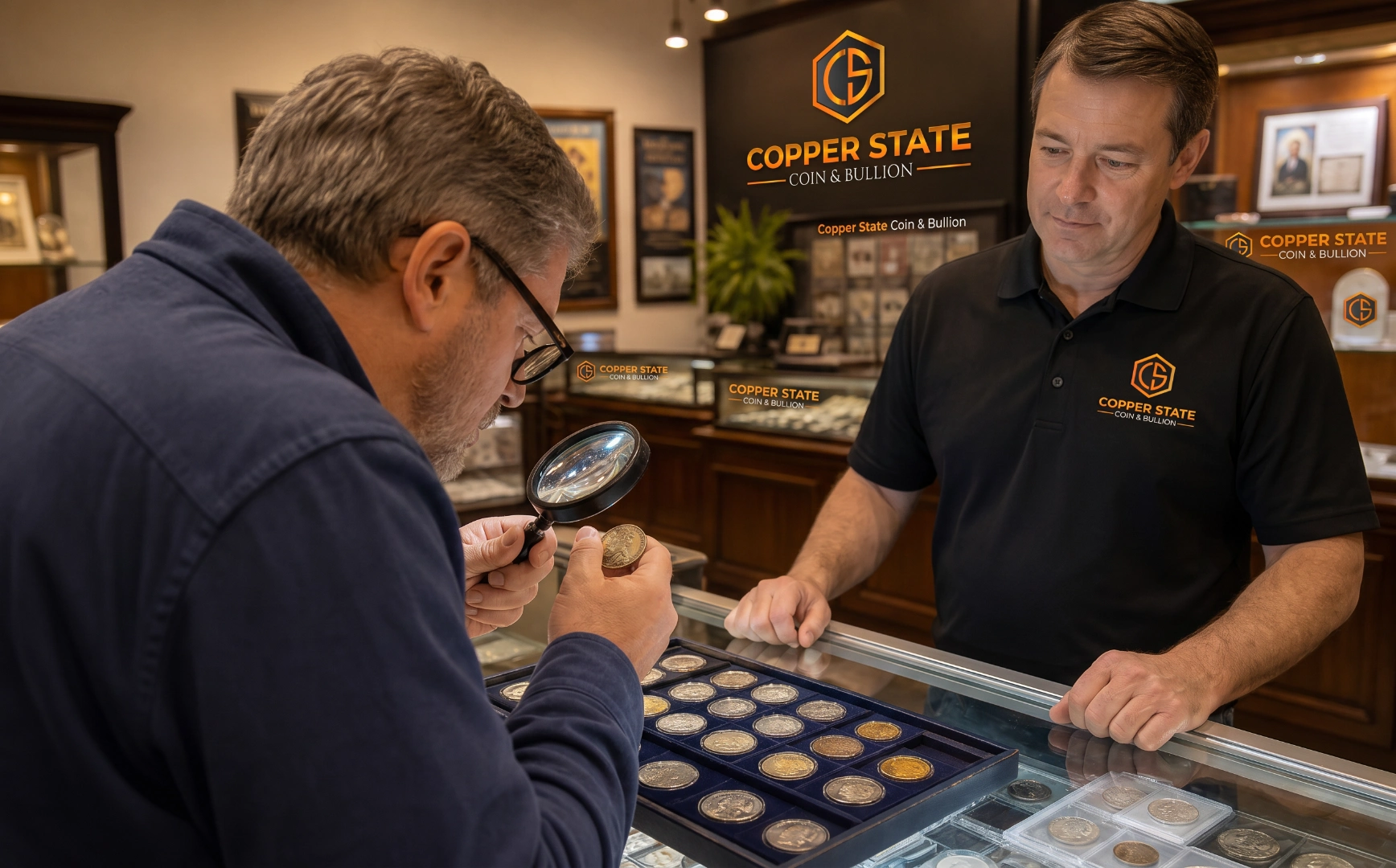
Choose a local coin dealer in Tempe or Mesa when you want to inspect coins in person, get immediate payment, and work with someone who understands Arizona market conditions, like local demand patterns and where premiums differ across the Phoenix metro.
Local dealers let you verify grading, view inventory, and ask live questions—advantages that matter for collectors, investors, and people selling inherited collections.
Who this guide is for
This guide is for collectors, investors, and sellers in Tempe, Mesa, and the broader Phoenix metro who want practical criteria to evaluate coin dealers before a visit. It addresses both numismatic buyers who care about grade and provenance and bullion customers focused on fair pricing and secure transactions.
Why choose a Tempe or Mesa dealer — and why us: If you’re ready to visit a shop and want both strict numismatic standards and transparent bullion pricing, pick a dealer with demonstrated local experience and verifiable credentials. Copper State Coin & Bullion brings four decades of numismatic experience, PCGS/NGC knowledge, in-person appraisals, and a want-list service so collectors and sellers in Tempe, Mesa, and nearby communities get both fair offers and expert advice.
About Tempe and Mesa customers: While our retail locations are in Peoria and Phoenix, Copper State Coin & Bullion regularly serves customers from Tempe, Mesa, and the East Valley through scheduled appointments, remote appraisal options, and want-list sourcing. Tempe/Mesa residents can submit photos for an initial review, book timed visits, or request shipping/pickup options—so you get local service without needing a store inside every city.
7 questions to ask a coin dealer before you visit
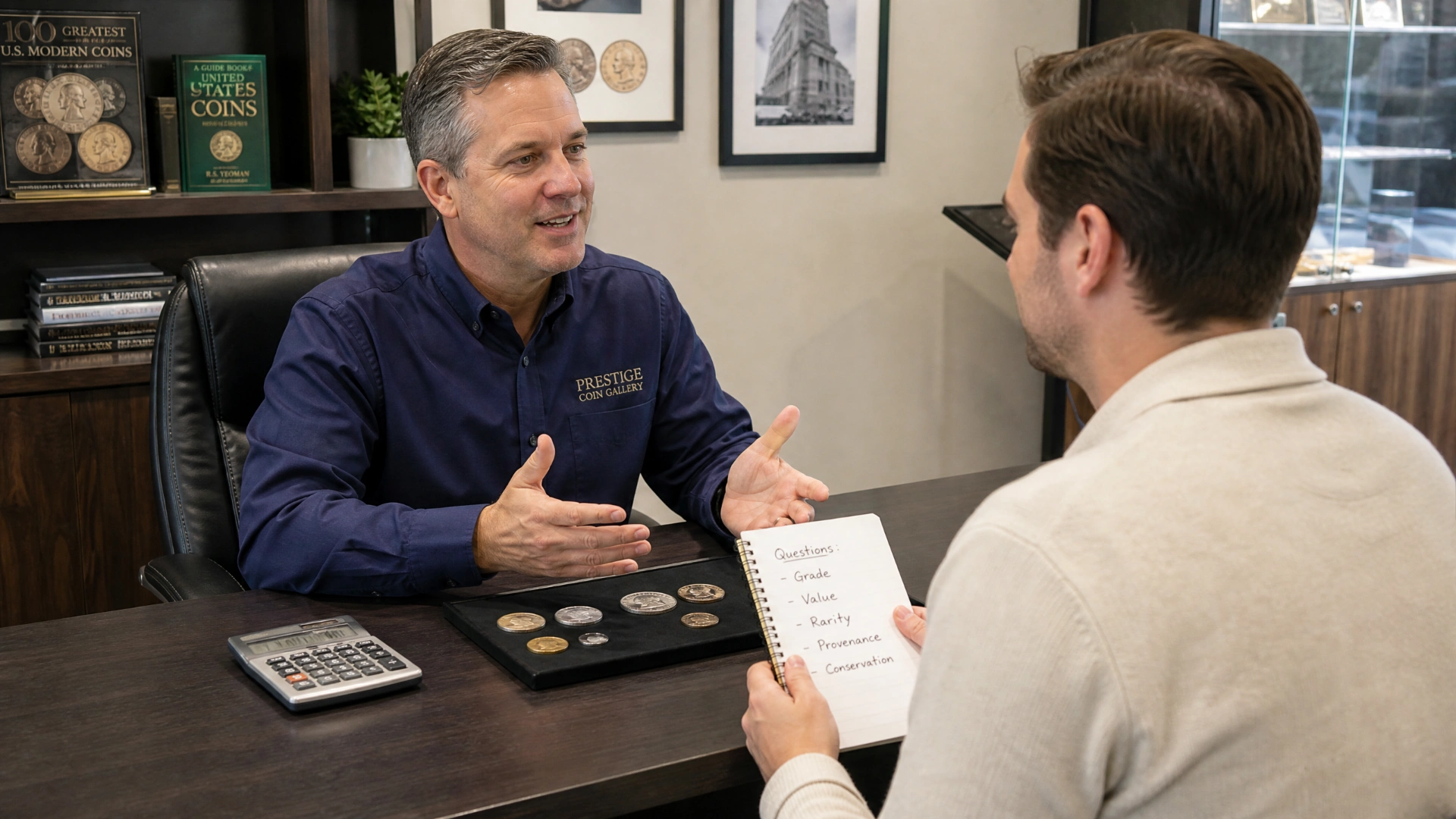
Ask these core questions first: licensing, how they authenticate and grade coins, whether they buy bullion and collections, payout methods, appraisal policies, and the dealer’s credentials. These queries reveal transparency, expertise, and how comfortably you can do business with them.
Licensing and business credentials
Check a dealer’s licensing and longevity first. A licensed dealer shows formal compliance; long operating history and third-party certifications (PCGS, NGC, PMG) indicate deeper numismatic experience. Ask how long they’ve worked in the Phoenix metro and whether they offer complementary or paid insurance appraisals.
Grading and authentication expertise
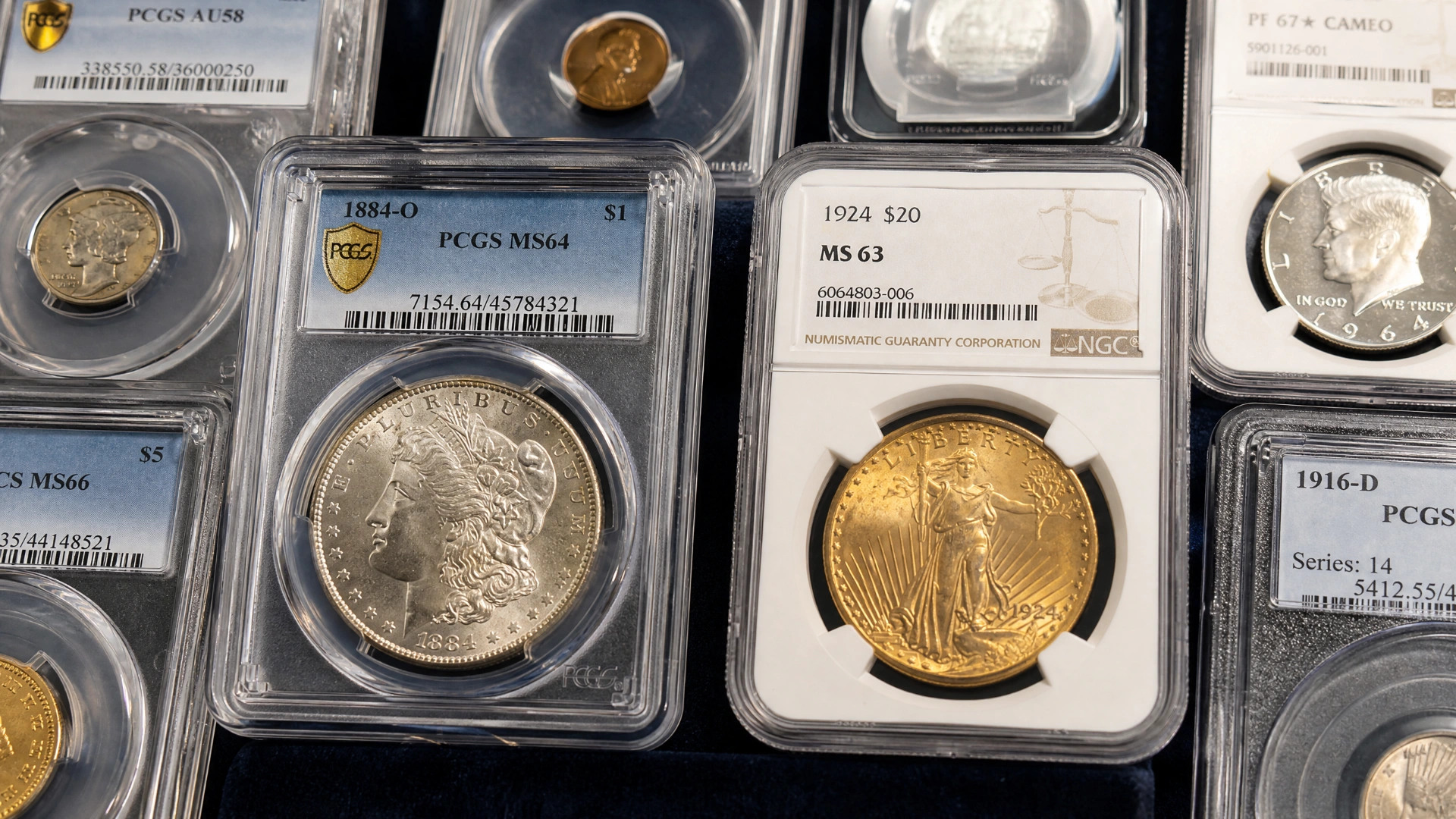
Coin grading is the assignment of a numeric grade describing a coin’s condition; authentication is the process of confirming a coin’s legitimacy. Ask whether the dealer uses PCGS/NGC/PMG-graded coins, how they verify raw (ungraded) coins, and whether they send high-value pieces to third-party grading services.
For detailed grading standards and population data, consult the PCGS coin grading guide.
Bullion pricing and transparency
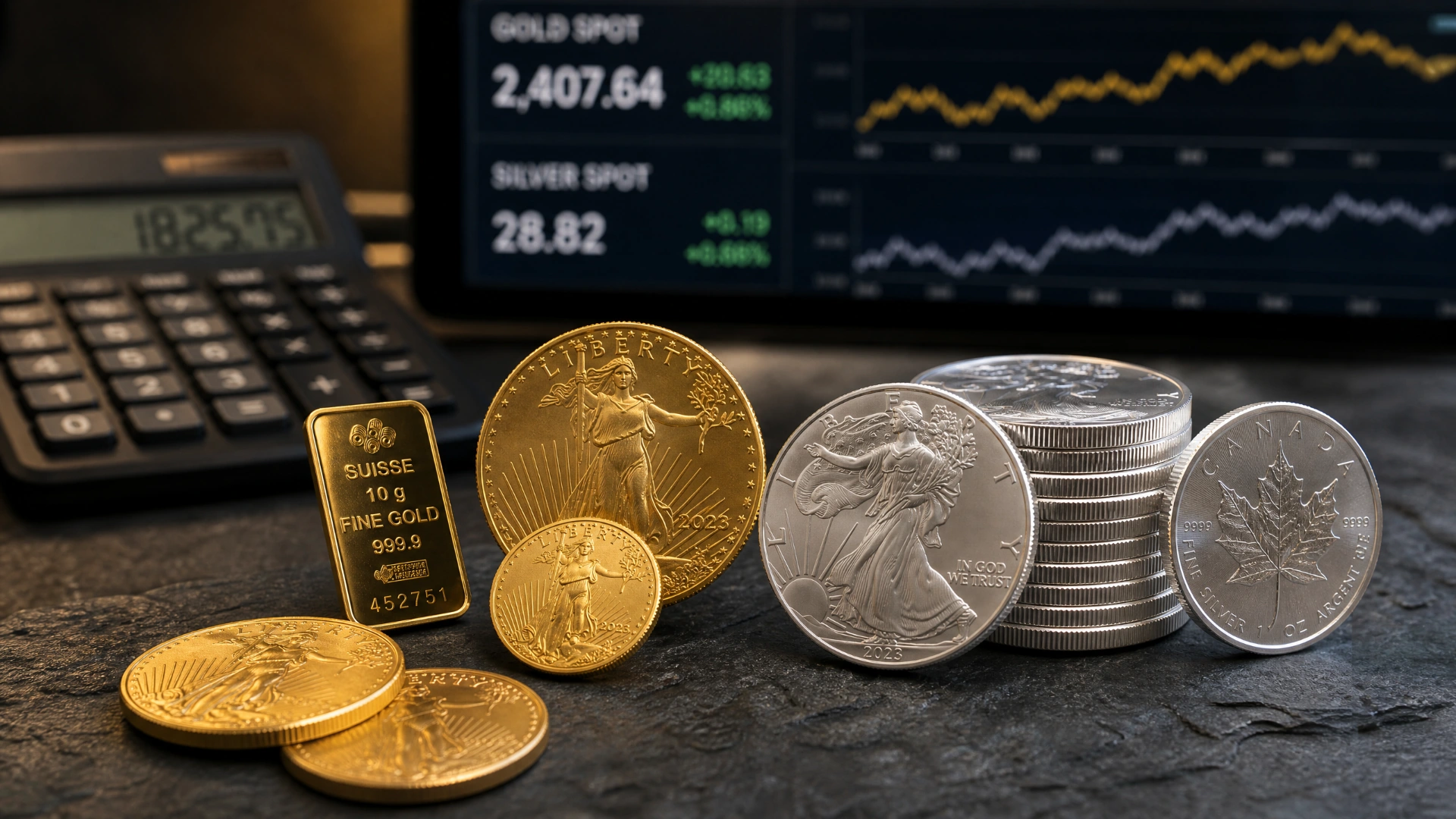
Spot price is the current market price for an ounce of metal, and premium is the additional charge above spot for manufacturing and dealer margin. Ask how the dealer calculates buy and sell prices—do they use live spot prices, what percentage premium do they add, and is the buyback offer based on melt value or a fixed spread?
For official spot price data and coin specifications, consult the U.S. Mint's official resources.
Appraisal and documentation services
A complementary appraisal is a basic valuation provided free for selling or quick advice; an insurance appraisal is a detailed, paid report for coverage or claims. Ask whether appraisals are complementary, what’s included in an insurance appraisal, and turnaround time.
Good documentation (descriptions, photos, provenance notes) protects both buyer and seller and speeds consignment or insurance processing.
Payment methods, payout policy, and offers
Know how you’ll be paid and when. Immediate cash is common for small transactions; larger sales may pay by check, wire, or store - approved methods. Ask about identification requirements, waiting periods for large payouts, and any minimum transaction amount.
Watch for unusually slow payouts or requests to accept odd payment forms—those are red flags.
Inventory and want list services — Copper State Coin & Bullion
A want list is a service some dealers maintain to actively source specific coins for clients. Copper State Coin & Bullion in the Phoenix metro runs an active want-list and sourcing service for East Valley collectors, notifying clients when matches arrive and shipping nationwide when requested. Many want-list requests grow out of browsing our numismatic coin listings, where collectors can see the types of pieces we regularly source.
Ask whether the dealer actively sources rare coins, how often want-list clients are notified, and whether shipping, insurance, and return policies are provided for out-of-state buyers.
Store security and privacy
Secure stores use safes, surveillance, and private consultation areas. Verify how the dealer handles privacy, whether coin photography is permitted, and what safety steps they recommend for in-store transactions.
If you must meet outside a secure location, insist on documented procedures to protect both parties.
Red flags to watch for
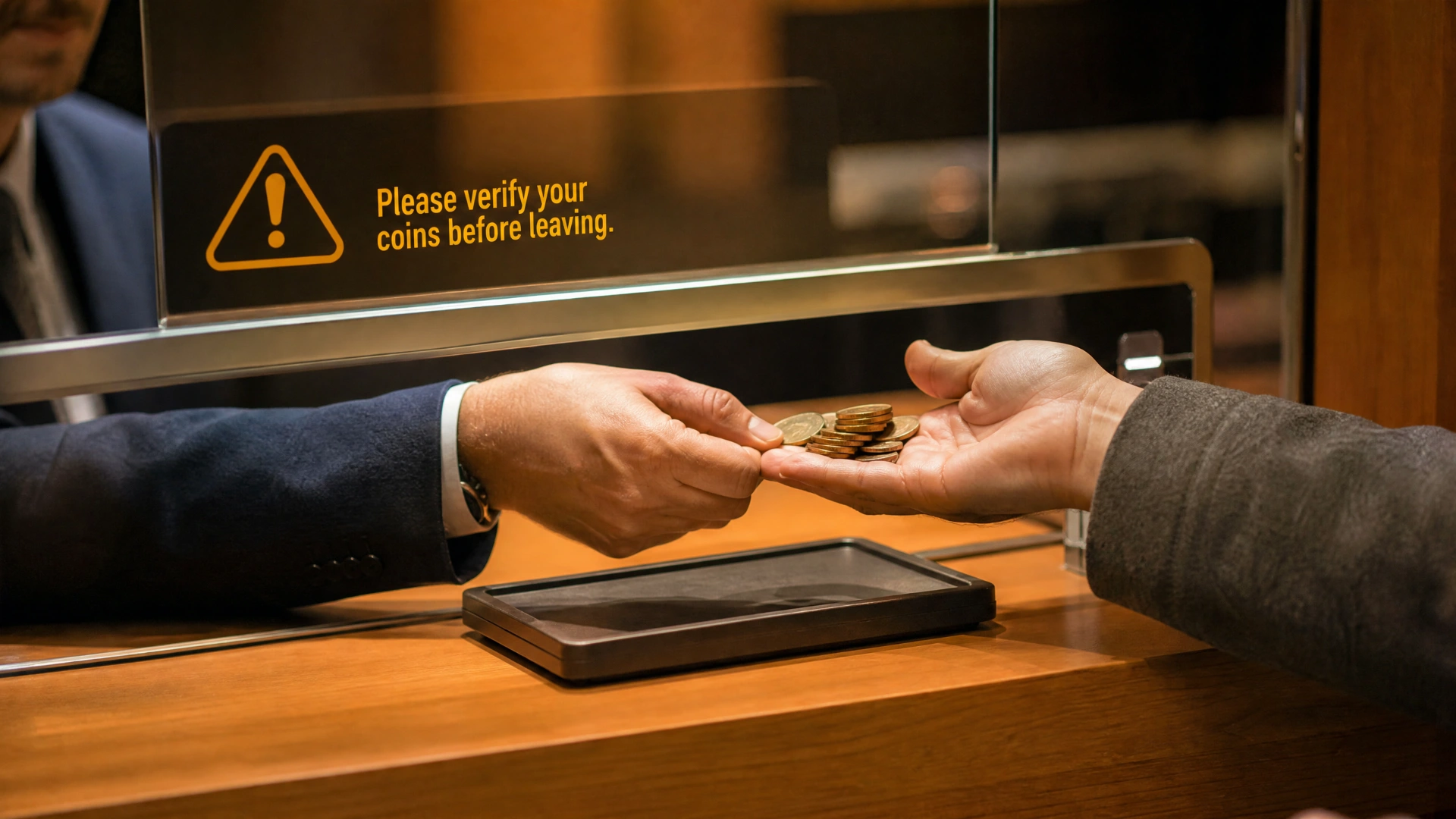
Watch for hard sales pressure, evasive answers about grading or pricing, inconsistent quotes, and unusually low offers. Other red flags include no proof of licensing, no third-party grading experience, or refusal to provide documentation.
Avoid dealers who push quick “cash now” solutions without clear valuations.
How to prepare before you go: quick checklist
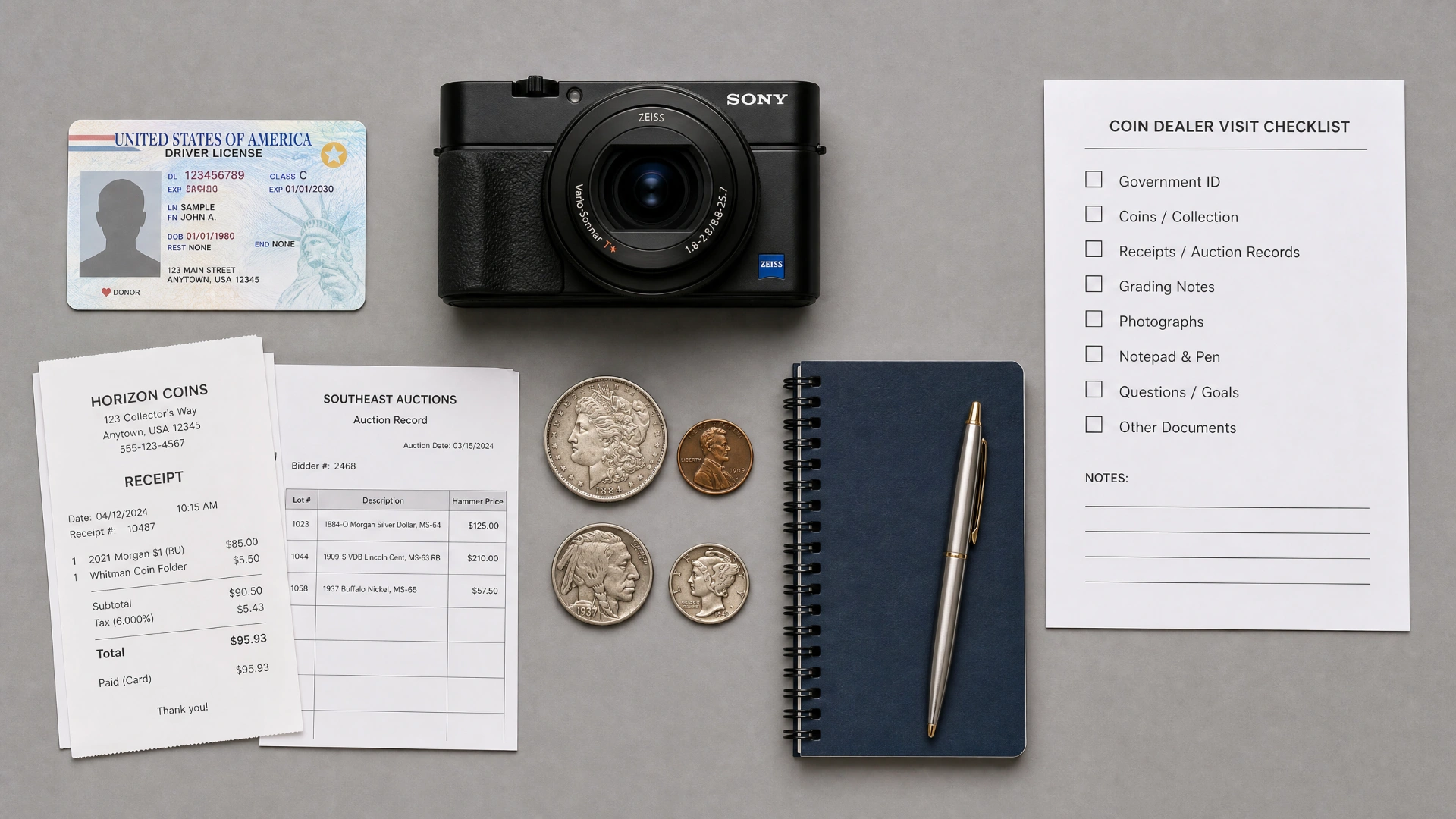
- Bring government ID and proof of ownership if available.
- Photograph coins and any paperwork, including original receipts or auction records.
- Check current spot prices and bring screenshots for bullion transactions.
- Note serial numbers on graded notes or lot numbers for high-value items.
- Prepare questions about grading, authentication, and appraisal fees.
Typical pricing examples (gold, silver, common coins)
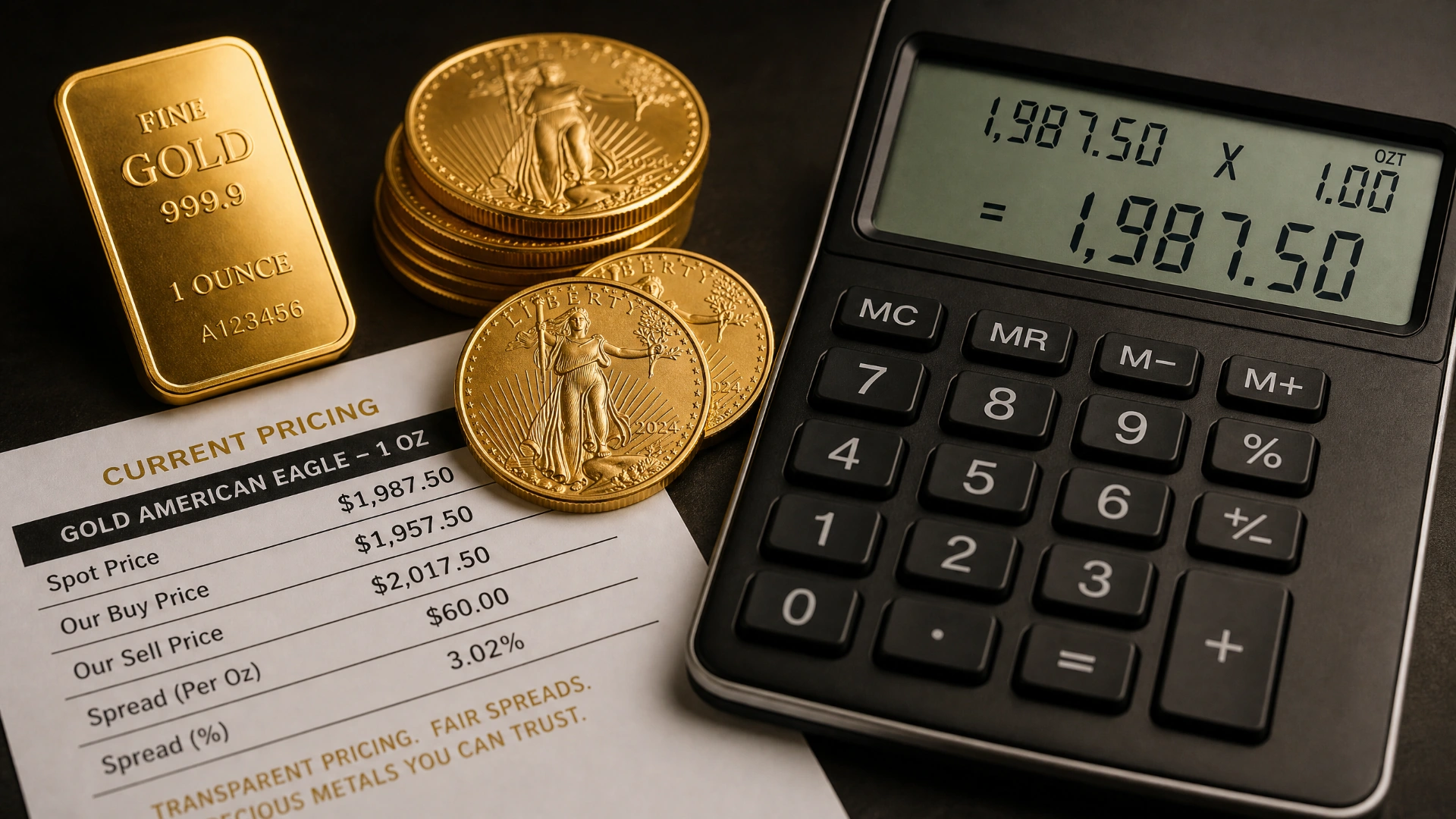
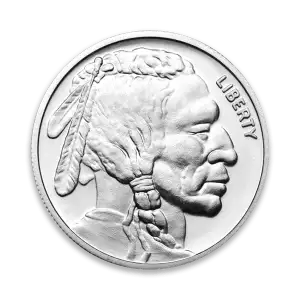
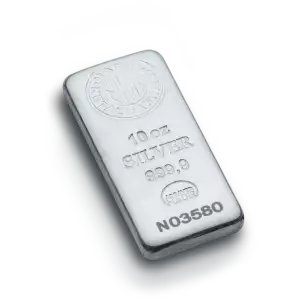
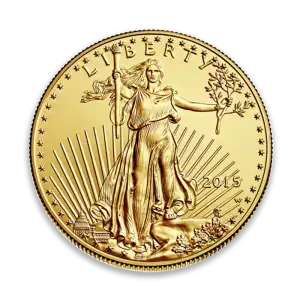
Dealers price bullion using spot price plus/minus a premium or spread, often benchmarked against daily reference prices published by the World Gold Council. Example calculation: if the spot price for gold is $2,200 per ounce and a dealer's buyback is spot minus 3% (dealer pays $2,200 × 0.97 = $2,134), a 1 oz gold round would net about $2,134 before any transaction fees.
If the same dealer sells that round at spot plus 4% (dealer asks $ 2,200 × 1.04 = $ 2,288 $2,200×1.04=$2,288), the visible spread between buy and sell is $ 154 $154. These numbers vary by product, availability, and local demand in the East Valley, so use them only as an illustrative example. If you'd like to compare live pricing, browse our gold coin selection.
How dealers value rare and graded coins
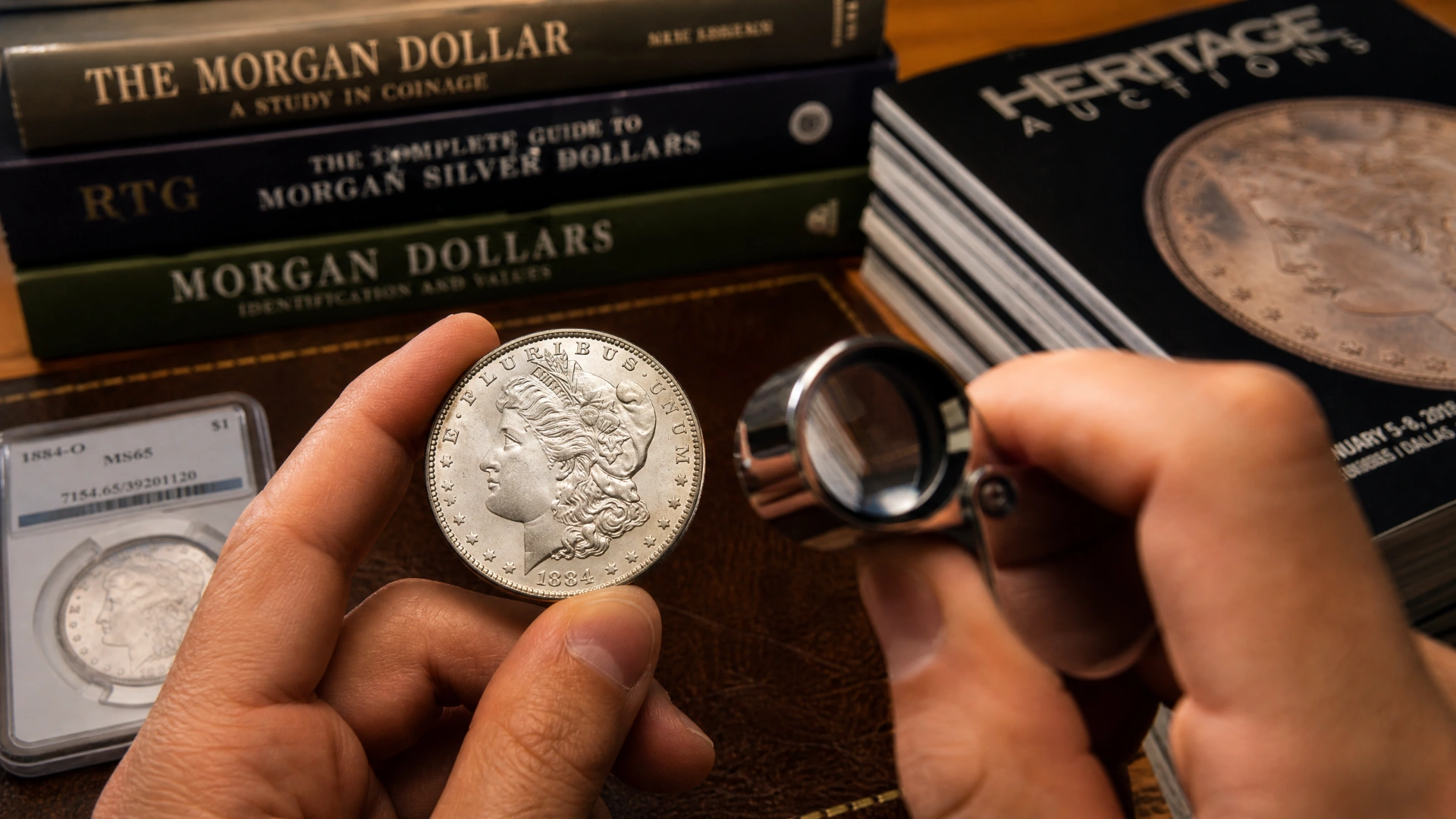
Grade is a numeric or adjectival measure of a coin’s condition; rarity, population, and market demand also matter. Dealers consider grade (the numeric scale assigned by graders), rarity (how many exist), documented provenance, and recent auction results when valuing a rare coin.
For significant coins, many dealers will consult auction databases and reports from major auction houses and grading services to confirm market value before making an offer. If you’d like to see examples of certified pieces currently available, browse our rare U.S. coin inventory.
Comparing local dealers vs. online-only services
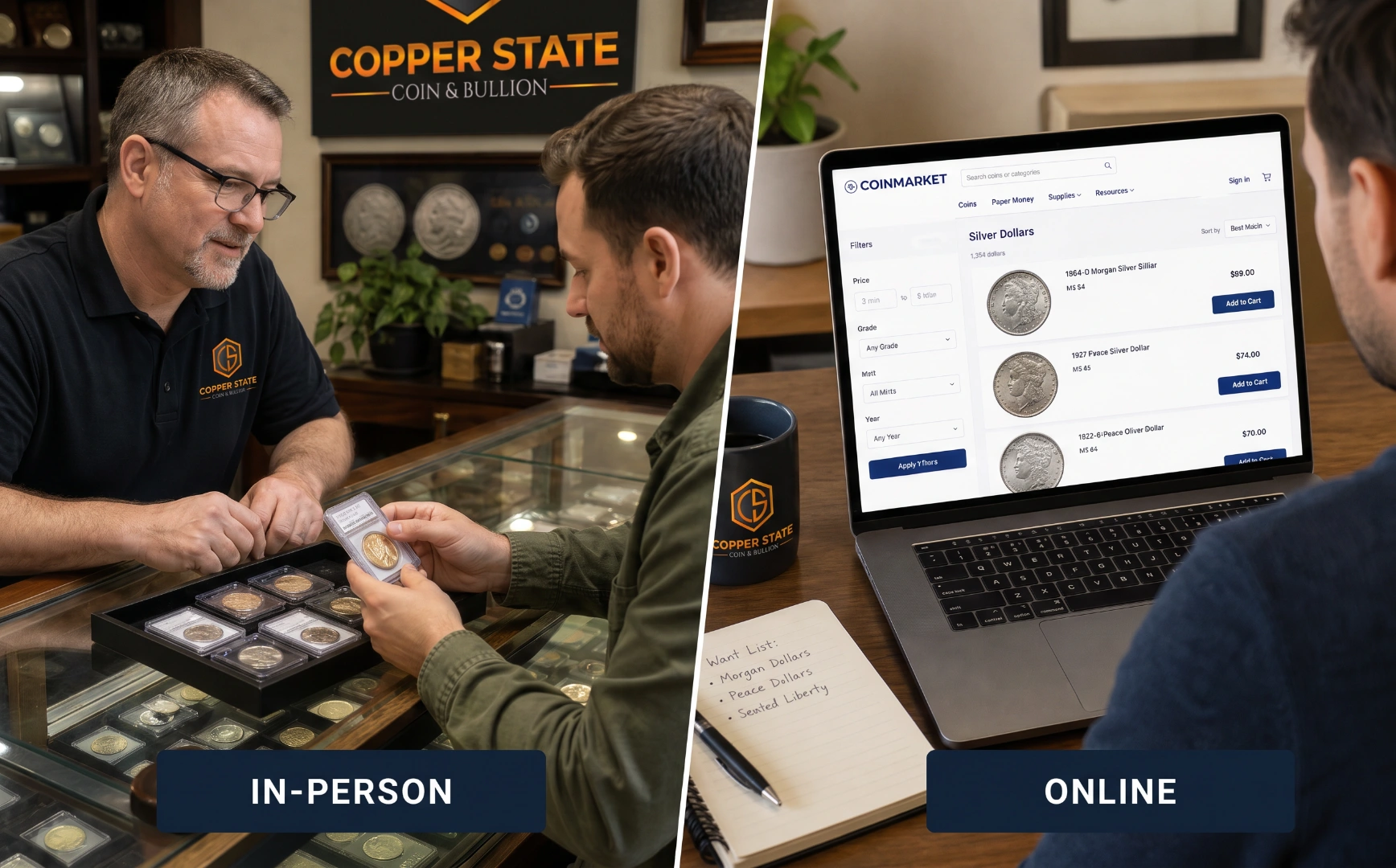
Local dealers offer immediacy, in-person inspection, and personal relationships; online-only services provide wider inventory and sometimes better prices on rare items due to scale. Choose based on your priority: speed and inspection (local) vs. reach and sometimes lower asking prices (online).
If you’re in Tempe or Mesa, a hybrid approach—submit photos or a remote appraisal first, then visit a dealer in person if the preliminary assessment looks promising—often yields the best result.
Next steps — visiting a dealer in the East Valley
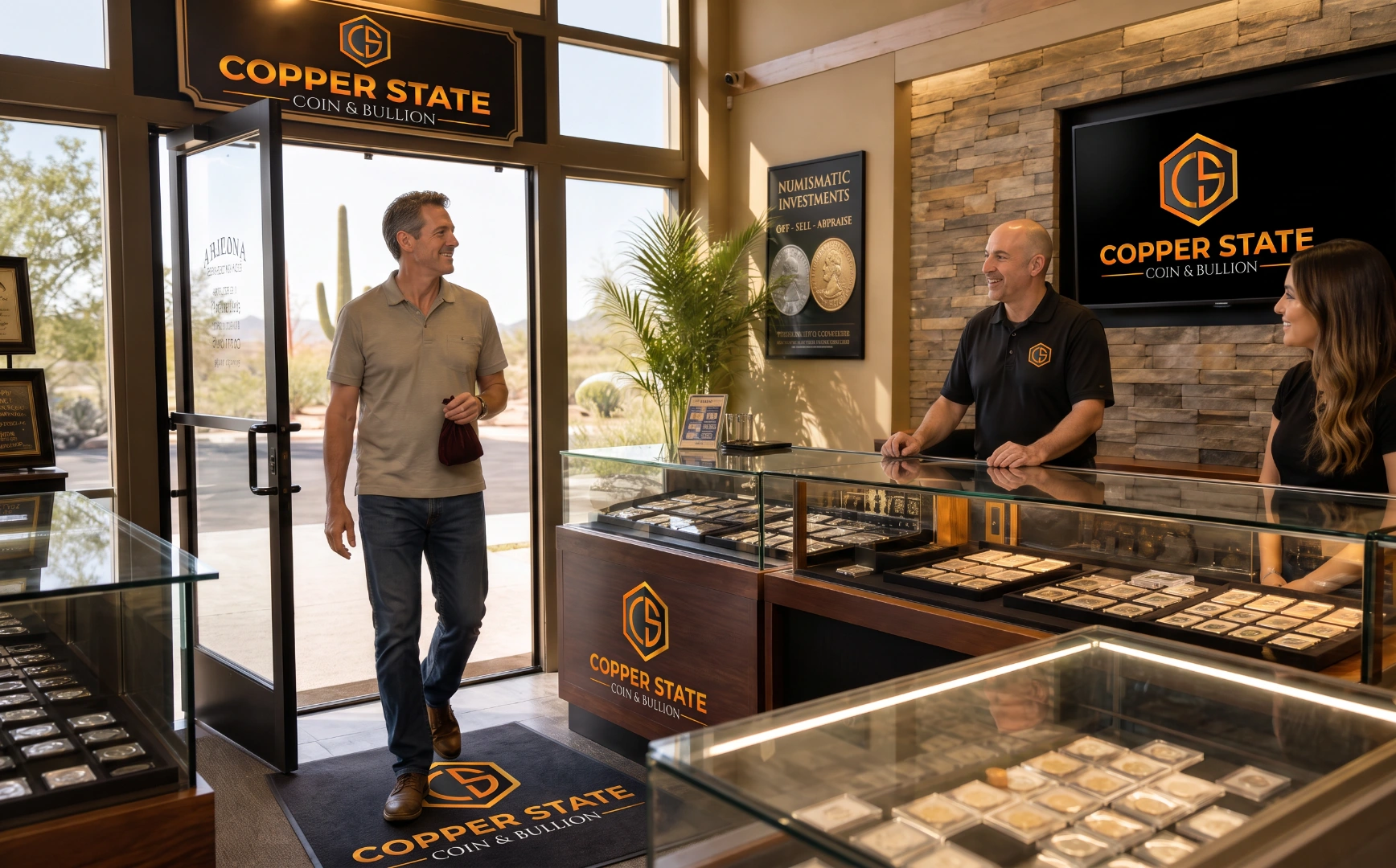
When you visit, expect a short intake, item inspection, documentation, and either an immediate offer or an estimated appraisal timeline. Bring paperwork, stay present during the evaluation, and ask for written terms before completing any sale.
If you want a quick check before driving in from Tempe or Mesa, submit photos to Copper State Coin & Bullion’s online appraisal form or contact our team to arrange a timed appointment; that way you’ll know whether an in - person visit is likely to be productive.
Resources and further reading
Authoritative resources for grading and market info: PCGS, NGC, U.S. Mint, and the World Gold Council.
FAQ
Q: What should I ask a Tempe coin dealer before visiting?
A: Ask about licensing, grading credentials, buy/sell pricing methodology, appraisal fees, and payout methods. These questions reveal transparency and help you compare offers before making an in-person visit.
Q: How do coin dealers in Mesa price gold and silver?
A: Dealers price bullion based on the live spot price plus or minus a premium or spread. Premiums cover manufacture and dealer margin; buybacks are often quoted below spot by a percentage. Bring a current spot screenshot and ask how the dealer calculates the final offer.
Q: Where can I sell a coin collection in Tempe or Mesa?
A: You can sell to local licensed coin dealers, auction houses, or online platforms. For in-person service in the Phoenix metro, our coin buying program accepts collections at our Peoria and Phoenix locations and offers complementary appraisals to start the process.
Q: Do you provide insurance appraisals for estates and collections?
A: Yes. Insurance appraisals are detailed, paid reports prepared for coverage or claims. Our team offers paid insurance appraisals with full documentation; call to discuss turnaround time and pricing.
Q: What does “certified” or “slabbed” mean for coins?
A: Certified (slabbed) coins are coins that a third-party grading service has authenticated and assigned a numeric grade, then sealed in a protective holder. Common services include PCGS and NGC, and you can review NGC's certification standards for more detail on the process.
Q: Should I bring graded coins to a local dealer or keep them sealed?
A: Keep graded coins sealed; they generally trade more easily in their certified holder. Dealers verify the slab and grade, and many will pay premiums for high-grade certified coins.
Q: How long does an in-store appraisal or payout typically take?
A: Small transactions can be completed the same day. More extensive appraisals or estate evaluations may take several days. Larger payouts sometimes require checks or wires and may have verification delays.
Q: What are common red flags when buying or selling locally?
A: Red flags include evasive answers on grading, inconsistent pricing, pressure to accept a quick cash offer without documentation, or no proof of licensing. Walk away if you feel rushed or uncertain.
Q: How do I use a want list with a local dealer?
A: Provide specifics (grade, type, date, price range) and confirm notification preferences. Dealers with active want lists notify clients when matching inventory arrives or is sourced.
Q: Where are your stores and how can I schedule an appraisal?
A: Copper State Coin & Bullion serves the Phoenix metro with two locations.
Peoria: 8360 W Thunderbird Rd C103, Peoria, AZ 85381 — (623) 432-3953
Phoenix: 4550 E Bell Rd Ste 188, Phoenix, AZ 85032 — (602) 377-1944
Hours: Mon–Fri 9:00 AM–5:00 PM | Sat 9:00 AM–4:00 PM | Sun Closed. Call or book online to schedule a complementary appraisal or in-person review; appointments are recommended for Tempe/Mesa clients who prefer timed visits.
Q: Do you buy paper money and error coins?
A: Yes. Many dealers, including our team, buy numismatic coins, error coins, and paper currency. Bring any provenance or certificates to improve valuation accuracy.
Q: Can I sell an inherited collection without removing slabs or paperwork?
A: Bring the collection intact if possible; original holders and paperwork help establish provenance and simplify appraisal. Photographs and an inventory list speed the process if you can’t transport everything.
Ready to Visit or Get an Appraisal?
Ready to visit or get an appraisal? Visit our Phoenix or Peoria store for a complementary appraisal, in-person grading guidance, and immediate offers on bullion and collections. Tempe and Mesa residents can book timed appointments or start with a remote appraisal via photo submission and the want list.
Peoria: 8360 W Thunderbird Rd C103, Peoria, AZ 85381 — (623) 432-3953 Phoenix: 4550 E Bell Rd Ste 188, Phoenix, AZ 85032 — (602) 377-1944
Hours: Mon–Fri 9:00 AM–5:00 PM | Sat 9:00 AM–4:00 PM | Sun Closed.
Prefer online? Browse our online inventory or submit a want list to start the sourcing process.