Why Glendale residents choose a local licensed dealer
Glendale sellers get the best experience when they work with a licensed, in‑person gold and coin dealer who can test their items, explain pricing, and pay on the spot. A local expert is especially valuable if you're dealing with mixed collections, inherited coins, or both gold and silver pieces where numismatic value might matter as much as metal content.

Copper State Coin & Bullion is a licensed dealer serving the Phoenix metro from its Peoria and Phoenix locations, backed by decades of numismatic and bullion experience for Glendale residents. When you sit down with a specialist instead of a generic "cash for gold" buyer or mail‑in service, you can ask questions, compare options, and decide whether to sell, insure, or hold certain items rather than being pressured into a quick sale.
What you can sell: gold, silver, coins, and more in Glendale
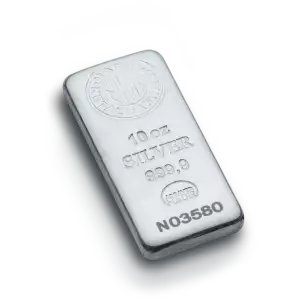
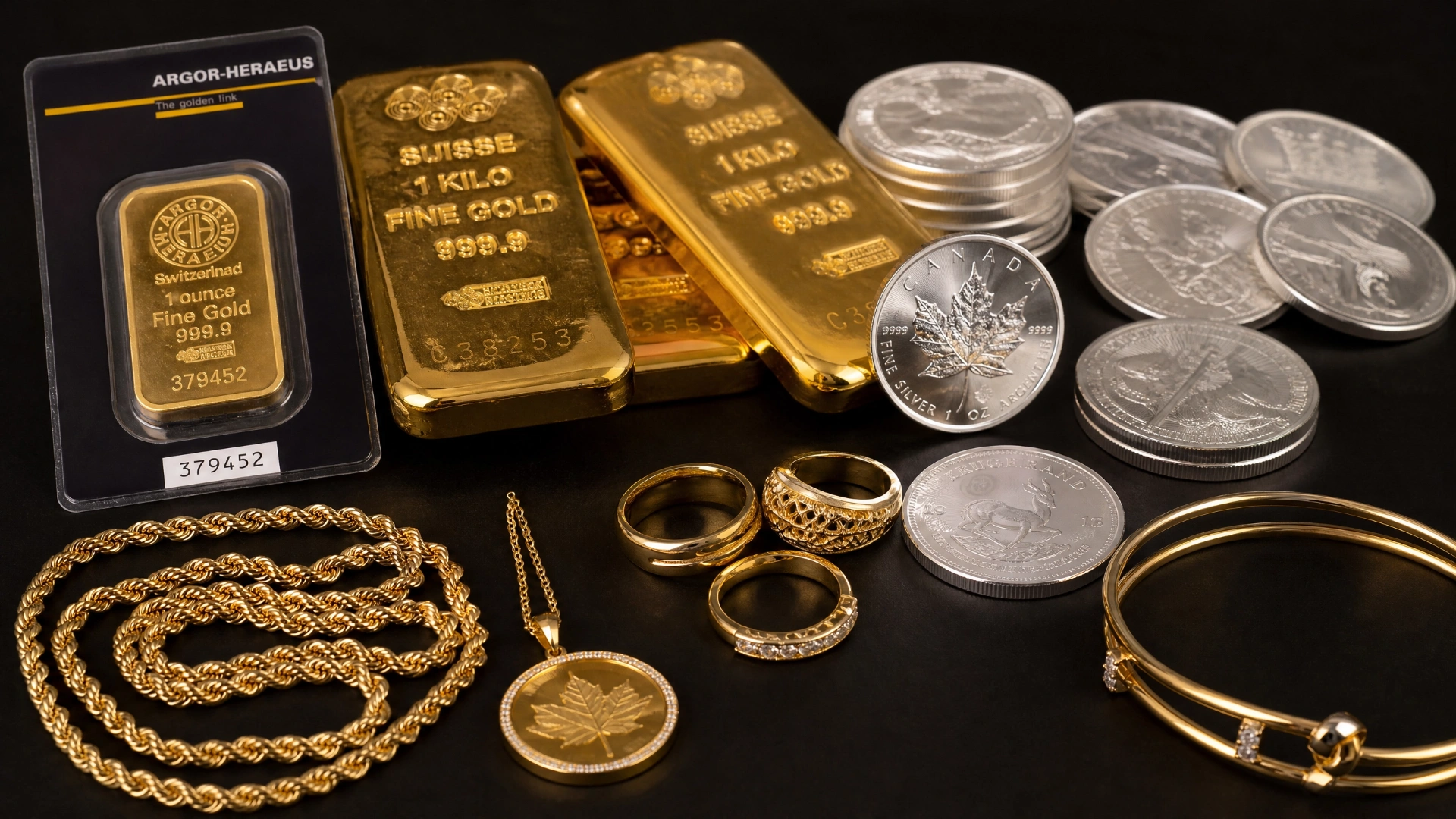
Glendale residents can sell gold jewelry, broken or scrap gold, silver flatware, bullion bars or rounds, U.S. and world coins, and even paper money. Numismatic is a term for coins or currency collected for rarity, history, and condition rather than just metal content, and numismatic pieces often require specialist appraisal, similar to items found in our numismatic coin collection.
Grading is the process of assigning a condition grade to a coin, from low circulated grades up through Mint State (MS) and Proof (PR) levels. Graded coins from certification services like PCGS grading standards, NGC (Numismatic Guaranty Company), and PMG (Paper Money Guaranty) come in sealed holders with a label, and that documentation often unlocks higher offers because collectors can buy with confidence.
How dealers determine value when you sell gold in Glendale
Dealers determine value by looking at what the item is, what it's made of, and what collectors will pay for it today. Spot price is the live market price for one troy ounce of a precious metal such as gold or silver, updated throughout the trading day.
Melt value is the metal's intrinsic worth, calculated as weight × purity × spot price, while numismatic premium is the extra amount collectors pay for rarity, grade, and demand beyond melt value, whether you're pricing jewelry or items from our bullion inventory. Licensed buyers factor in their margin, testing costs, and current demand, then explain their offer so you understand how they arrived at the number.
Preparing your items to sell
You'll get a smoother experience in Glendale if you prepare your items before visiting a dealer. Gather receipts, grading certificates from PCGS or NGC certification records, and any previous appraisals, and keep coins in their existing holders rather than dumping them into bags or jars.
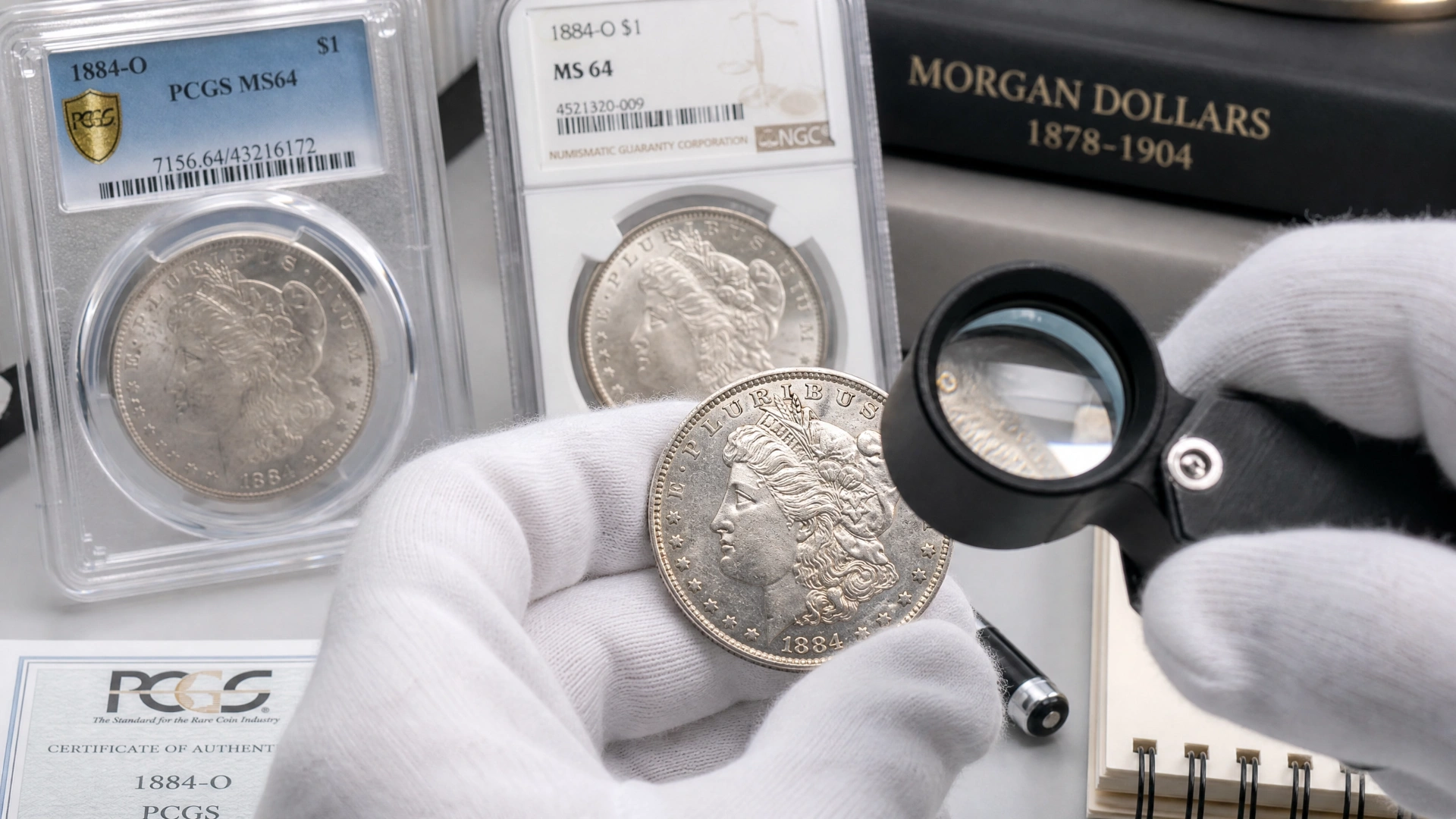
Avoid harsh cleaning, polishing compounds, or abrasive cloths on coins and jewelry, because surface damage can lower collector value and reduce weight slightly for scrap items. For larger collections, photograph boxes, albums, and trays so the buyer can see what you're bringing, then bring everything as‑is to Copper State Coin & Bullion's Peoria or Phoenix locations for a complementary appraisal.
What to expect at appraisal or offer
A proper appraisal with a licensed dealer is straightforward: your items are inspected, tested as needed, and then you receive a clear, written offer, whether you visit to browse or start the appraisal process. An in‑store appraisal typically begins with a visual review of coins and jewelry, followed by weighing on certified scales and purity checks where necessary.
You'll see or hear how spot prices, karat markings, and grading impact the offer, and you can ask to separate high‑value numismatic pieces from standard bullion or scrap. Once you accept, payment is usually made the same day by cash or other agreed methods, with ID and simple paperwork to comply with Arizona regulations.
Common testing methods explained
Accurate testing helps protect both the seller and buyer from mistakes or counterfeit items. Acid test is a chemical method where small drops of solution are placed on a discreet area to estimate gold purity by color change.
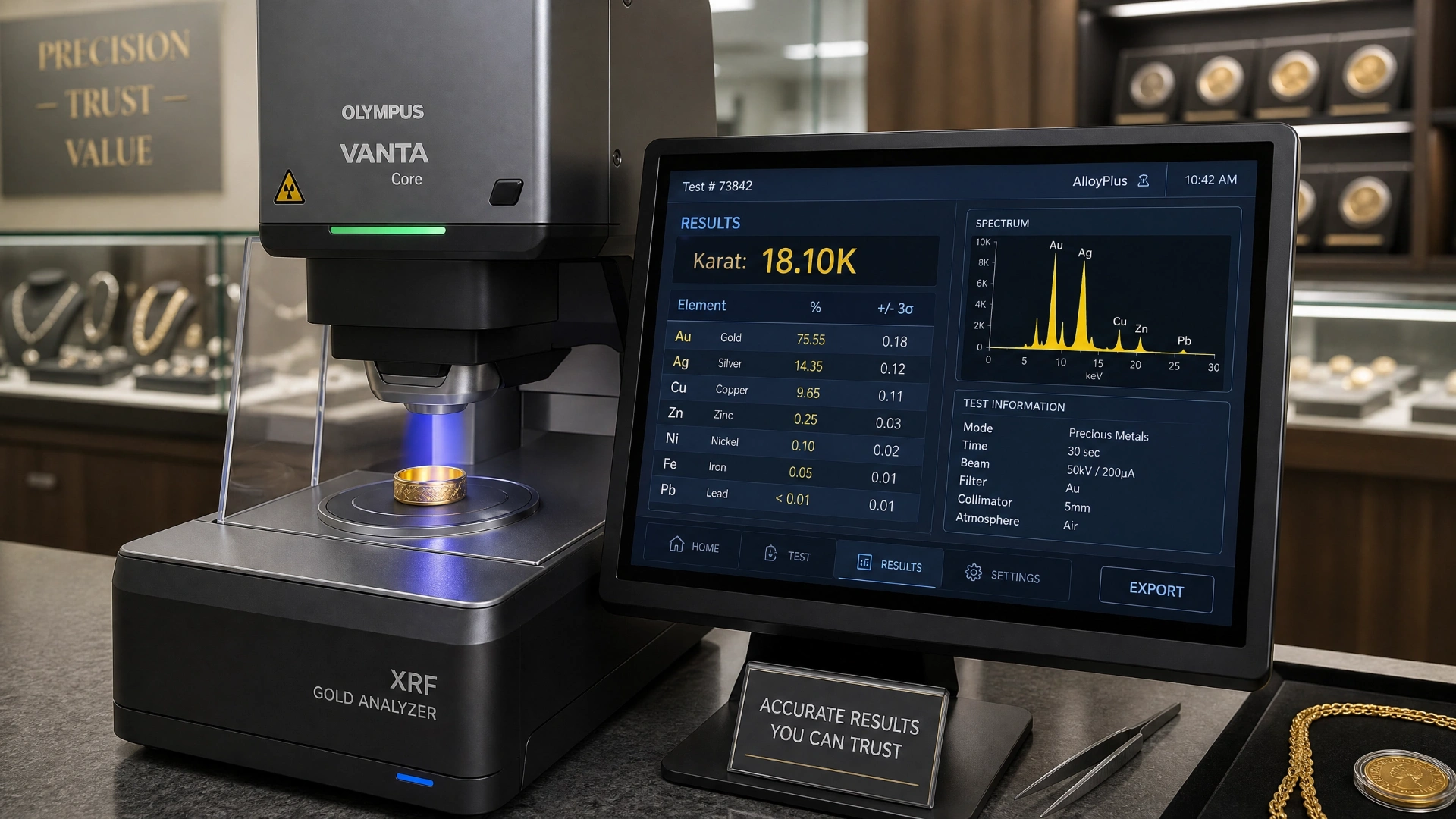
Electronic testers estimate purity using electrical conductivity, while XRF (X‑ray fluorescence) is a non‑destructive lab‑grade method that reads the metal's composition directly. Professional coin and bullion dealers rely on these tools together when needed, choosing the least invasive method that still gives reliable results for your gold and silver.
Red flags when selling gold locally
Glendale residents should watch for clear warning signs when selling gold or silver. High‑pressure tactics, vague "today only" offers, refusal to provide written quotes, or unwillingness to show testing methods are all red flags that you may be dealing with a non‑specialist buyer or someone who isn't focused on long‑term reputation.
Licensed dealers who specialize in numismatics and bullion typically display their certifications, explain their process, and encourage questions. Affiliations with PCGS, NGC, PMG and strong local reviews are examples of trust signals that differentiate a specialist shop from pawn shops or quick‑cash buyers.
How to get the best price for gold and silver in Glendale
You improve your chances of a strong offer when you treat collectibles and bullion differently. Separate graded coins, key date pieces, and rare world coins from everyday jewelry or generic bullion, because coins with numismatic premium should be appraised as collector items rather than scrap.
Timing can matter, too: since spot price moves daily, some sellers choose to watch gold and silver prices and bring larger bullion lots when the market aligns with their goals. A specialist dealer can also place certain high‑end coins or sets on a want list, proactively matching your items with collector demand instead of relying solely on melt value.
Selling coins vs. selling jewelry (differences)
Selling coins and selling jewelry are related but not identical. Coins are usually evaluated for grade, rarity, and eye appeal, then for metal content, so a scarce PCGS‑graded Morgan dollar from our silver dollar collection in Mint State can sell for far more than its silver melt.
Jewelry, by contrast, is often priced by melt value unless it has significant designer or antique appeal. Grading is the standardized process of assigning a condition score to a coin, and higher grades (especially Mint State and Proof) typically command much higher collector prices through venues like PCGS, NGC, and major auction houses.
Insurance and documentation: appraisal services
Insurance and estate planning often require more documentation than a quick sale. A complementary appraisal is a free in‑person evaluation that gives you a practical idea of what your items might bring if sold today.
An insurance appraisal is a paid, detailed report that lists each item, its grade or description, photos, and an estimated replacement value, suitable for insurance policies, claims, or probate. Copper State Coin & Bullion offers both complementary and insurance appraisal services in Peoria and Phoenix, which makes it convenient for Glendale residents who need to decide whether to sell, insure, or hold a collection.
Pricing examples and quick calculator guidance
A few simple examples make pricing easier to understand. Melt value is calculated as weight × purity × spot price, so a 10‑gram 14K gold wedding band (14K is 58.3% pure gold) would have an approximate melt value of 10 g × 0.583 × spot price per gram.
Troy ounce is the standard unit for precious metals, and one troy ounce equals 31.1035 grams, so you can convert your weight to match posted spot prices. Many gold and silver bullion coins follow U.S. Mint coin specifications, which can help you confirm weight and purity before estimating melt value. A certified Morgan dollar from PCGS in a high Mint State grade, however, might sell for many times its silver melt because collectors value historical U.S. Mint issues and top‑grade pieces far beyond metal content.
Where to sell in Glendale and Phoenix metro (trusted options)
Glendale residents have multiple options to turn gold, silver, or paper money and currency into cash, but licensed dealers tend to offer the clearest experience. You can sell to local coin and bullion specialists like Copper State Coin & Bullion, which operates full‑service buy desks in Peoria and Phoenix and regularly works with Glendale clients.
Mail‑in buyers and online marketplaces are alternatives, yet they add shipping, insurance, and timing risks and may not recognize numismatic value as effectively as a specialist shop. Visiting Copper State Coin & Bullion in person lets you see testing done on‑site, hear the reasoning behind each offer, and walk out with payment the same day if you choose to sell.
Customer experience & trust (testimonials and certifications)
When you're deciding where to sell gold in Glendale, look for experience, reputation, and transparency. A dealer with decades in the Phoenix metro, strong online reviews, and visible certifications inspires confidence that they'll stand behind their appraisals and offers.
Copper State Coin & Bullion pairs its numismatic expertise and grading knowledge with a complementary appraisal service, an insurance appraisal option, and a want list program that helps match rare items with collectors. For many Glendale residents, that combination of education‑first service and competitive bullion pricing is the key difference between a one‑time buyer and a long‑term trusted shop.
Next steps: how to get an appraisal or sell today
If you're ready to move forward, the next step is simple: decide whether you want a quick sale, a documented insurance appraisal, or just an expert opinion on what you have. Copper State Coin & Bullion offers complementary walk‑in appraisals for everyday gold, silver, coins, and currency, and scheduled insurance appraisals for higher‑value collections.
You can visit the Peoria or Phoenix location, bring your items and ID, and review offers on the spot, or you can start by sending clear photos and a brief description for a preliminary online quote via the Copper State Coin & Bullion website. Either way, Glendale residents have a nearby, licensed option that combines local convenience with national‑level numismatic expertise.
FAQ
Q: Where can I sell gold in Glendale, AZ?
A: Glendale residents can sell gold and silver to Copper State Coin & Bullion, a licensed gold and coin dealer serving the Phoenix metro from its Peoria and Phoenix stores. The Peoria shop is at 8360 W. Thunderbird Road C#103, Peoria, AZ 85381, and the Phoenix shop is at 4550 E Bell Road Suite 188, Phoenix, AZ 85032, so you can choose the location that's most convenient. Both locations offer in‑person testing, written offers, and same‑day payouts for most transactions.
Q: How do I find the best price for my gold jewelry?
A: You find the best price by comparing offers from licensed dealers, separating collectible or designer pieces from generic scrap, and bringing any documentation you have. A buyer who understands both bullion and numismatics can tell you when a piece is worth more than melt, which helps you avoid underselling rare or high‑end items.
Q: How do dealers calculate the value of gold?
A: Dealers calculate value by multiplying the item's weight by its purity and the current spot price, then adjusting for margin and any numismatic premium. Melt value is weight × purity × spot price, while numismatic premium reflects collector demand for specific dates, designs, or grades, which is documented through services like PCGS and NGC.
Q: What paperwork do I need to sell gold in Arizona?
A: You typically need a government‑issued photo ID to sell gold or silver to a licensed dealer in Arizona. For larger transactions or estate sales, bring any receipts, prior appraisals, or grading certificates so the dealer can verify provenance and help you decide between selling and insuring.
Q: Can I sell graded coins for more than melt value?
A: Yes, graded coins from services like PCGS and NGC often sell for significantly more than melt value because collectors pay for documented condition and authenticity. A certified high‑grade Morgan dollar, for example, can sell for several times its silver content through specialist dealers and auction houses.
Q: What is the difference between bullion and numismatic coins?
A: Bullion coins and bars are valued primarily for their metal content and closely track spot prices, while numismatic coins are valued for rarity, grade, and collector demand. In practice, this means a common bullion coin might sell near melt value, while a scarce, high‑grade numismatic coin could bring a much higher price even if it contains the same amount of metal.
Q: How accurate are home gold‑testing kits and should I use one?
A: Home testing kits are adequate for rough checks but are less precise than professional methods like XRF used by experienced dealers. They can give you a general idea of karat, but for final pricing and to avoid damaging valuable items, it's better to rely on a licensed shop that can perform multiple tests and document the results.
Q: Do I need an insurance appraisal for my coin collection?
A: You should consider an insurance appraisal if your collection has substantial value or sentimental importance. A formal insurance appraisal from a numismatic specialist provides itemized descriptions, grades, and replacement values that your insurance company can use for coverage and claims.
Q: How long does an in‑store appraisal and payout take?
A: Most in‑store appraisals for typical gold, silver, and coin lots take between 15 minutes and an hour, with payout often available the same day once you accept the offer. Larger estates or complex collections may require more time for careful review and documentation, especially if you opt for a full insurance appraisal.
Q: Are mail‑in buyers safe for selling gold?
A: Mail‑in services can be safe when they use insured shipping and clear return policies, but they add transit risk, extra time, and less opportunity to discuss numismatic value. Many Glendale residents prefer licensed local dealers because they can watch testing, get immediate offers, and walk out with cash or other payment options on the same visit.
Q: How does Arizona law affect selling precious metals?
A: Arizona law requires dealers to verify identity and keep transaction records, and it enforces consumer‑protection rules aimed at preventing fraud and theft. Licensed shops follow these regulations, which is one more reason to choose a reputable local dealer rather than informal, unlicensed buyers.
Q: Do graded coins need special paperwork or certification?
A: Graded coins should retain their original certification holders and paperwork from services like PCGS, NGC, or PMG certification service for paper money. Those slabs and certificates provide proof of grade and authenticity, which buyers rely on when paying premiums for high‑quality pieces.
Sell gold and silver with a trusted local expert
If you live in Glendale and are ready to sell gold, silver, coins, or paper money—or you simply want an expert appraisal—Copper State Coin & Bullion is a nearby, licensed option backed by decades of numismatic and bullion experience. Visit our Peoria store at 8360 W. Thunderbird Road C#103, Peoria, AZ 85381, or our Phoenix store at 4550 E Bell Road Suite 188, Phoenix, AZ 85032, both open Monday–Friday 9:00 a.m.–5:00 p.m. and Saturday 9:00 a.m.–4:00 p.m., closed Sunday.
For a complementary in‑person appraisal or a paid insurance appraisal, call Peoria at (623) 432‑3953 or Phoenix at (602) 377‑1944, or start online at Copper State Coin & Bullion's website. Whether you're selling a single ring or an entire estate, our team will walk you through pricing, testing, and options so you can make informed decisions without pressure.