The gold to silver ratio strategy compares the price of one troy ounce of gold to one troy ounce of silver to help investors and collectors decide when silver or gold may be relatively cheap or expensive. This guide shows how the strategy works, practical trading rules, coin choices for execution, and how to apply the approach locally in the Phoenix metro or via online purchases.

What is the gold-to-silver ratio?
The gold-to-silver ratio is the price of one troy ounce of gold divided by the price of one troy ounce of silver. A troy ounce is the standard precious-metals weight used in bullion markets.
How the ratio has behaved historically
The ratio has varied widely over long-term history, reflecting industrial demand, monetary trends, and macro cycles. Long-term research and market data show that the ratio has often moved between roughly 40:1 and 80:1 in modern times, with notable extremes such as the 1980 precious-metals cycle when gold approached 875 dollars per ounce and silver neared 48 dollars per ounce, implying a ratio near 18:1.
Modern market studies also document later extremes, including spikes above 100:1 in the early 1990s and during the 2020 pandemic when it briefly reached around 120–125:1. These episodes underline how sentiment, monetary policy, and financial stress can push the ratio far away from its typical range before it normalizes.

Remember that historical patterns describe what happened, not what will happen; structural changes in industry and policy can shift relationships over time.
What the ratio signals — fundamentals and sentiment
The ratio signals relative valuation between gold (often seen as a monetary or hedge metal) and silver (which has both monetary and industrial demand). Spot price is the current market price for immediate delivery; spot prices for metals trade globally and set the baseline for bullion valuations.
- Supply and demand drivers: Silver's industrial uses—electronics and photovoltaics among them—can push silver's price independently of gold, while gold often reacts more to macro and monetary factors.
- Macro triggers: Inflation, real interest rates, U.S. dollar strength, and mining supply shocks all affect each metal differently and therefore move the ratio.
Gold-to-silver ratio strategy: Popular rules and strategies
Investors commonly use simple ratio-based rules of thumb—then add risk controls and confirmatory indicators to reduce false signals. These rules form the backbone of a practical gold to silver ratio strategy.
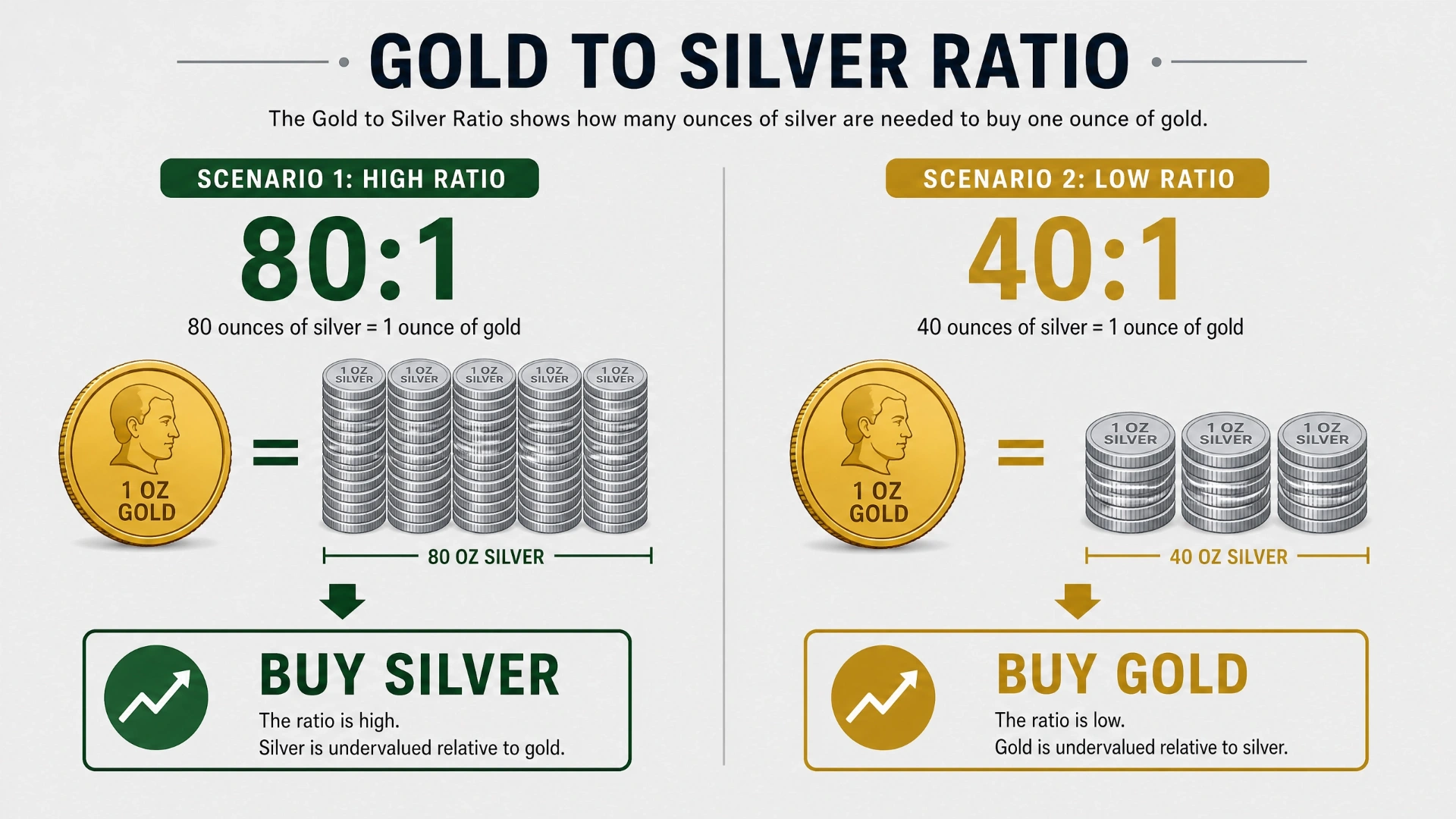
- Common thresholds: Many traders consider silver relatively attractive when the ratio exceeds 75–85 and favor gold when the ratio falls below 40–50. Thresholds vary by investor risk tolerance and time horizon.
- Pros and cons: Rules provide discipline and clarity, but they can misfire during structural regime shifts, so dealer premiums and bid/ask spreads must be considered to keep the signal economically actionable.
Example strategies (entry, exit, rebalancing)
Mean-reversion trades, periodic rebalancing, and percentage-of-portfolio tilts are common ways to implement the ratio strategy.
Mean-reversion example
If gold is 2,000 dollars per ounce and silver is 25 dollars per ounce, the ratio is 80:1, and a trader using an 80 buy-silver rule might allocate 10 percent of the portfolio to silver and set a sell target when the ratio tightens to 60, often sourcing entries from our silver bullion selection for low-premium execution. In practice, you must account for premiums and storage so net profit remains positive.
Rebalancing example
One approach is to maintain a target 70/30 gold/silver split and rebalance quarterly. If silver underperforms and drops the allocation to 20 percent, you buy silver to restore balance while using stop-losses and position-size limits to manage risk.
Choosing physical coins for a ratio strategy
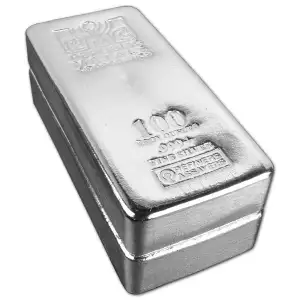
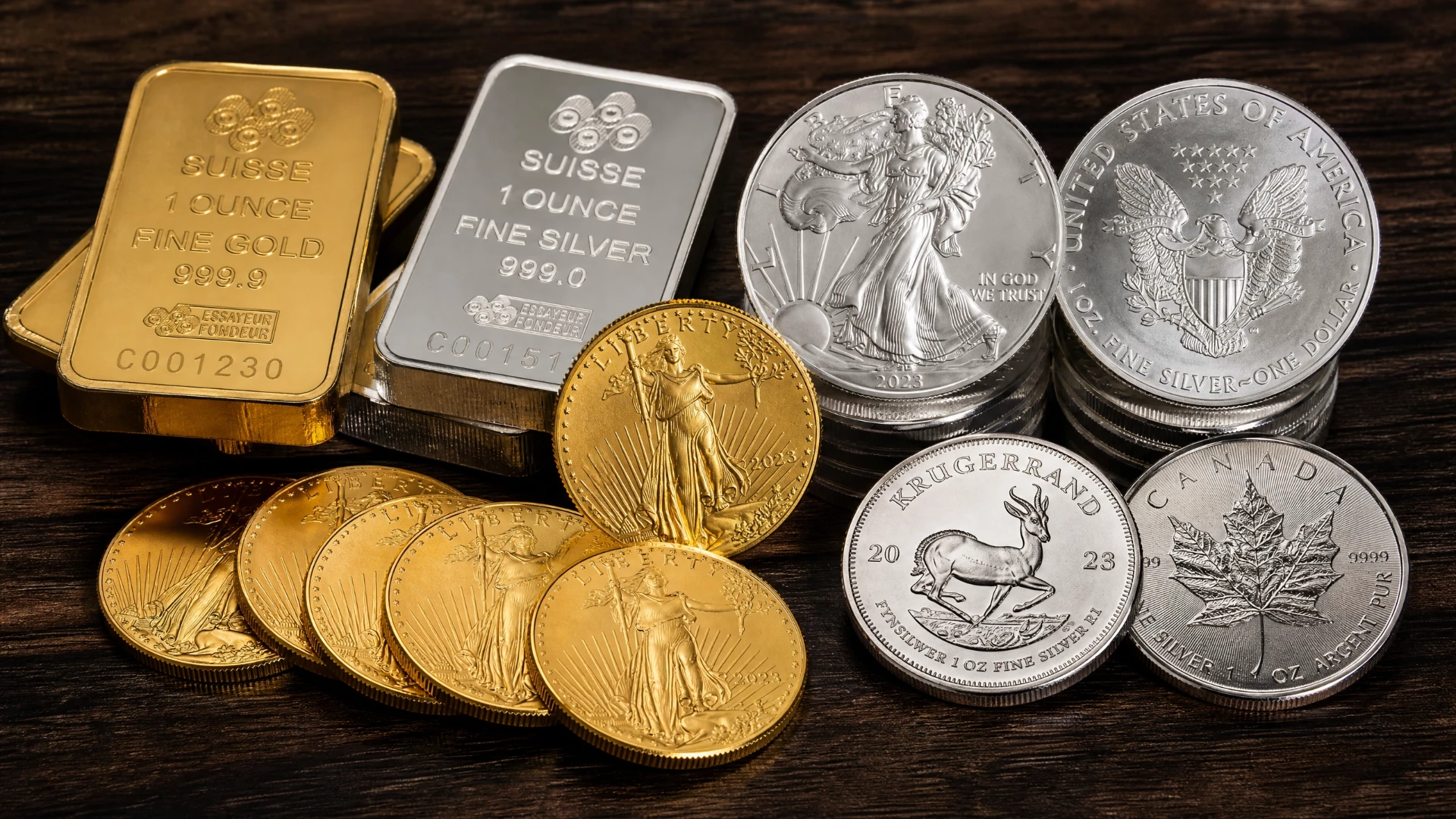
For ratio-based trading, liquidity and low premium-over-spot matter more than numismatic value, so bullion coins and 1 ounce bars are typically best for quick execution, and investors can compare current options in our gold bullion inventory before placing an order. Premium is the amount above spot you pay to buy physical coins, covering minting, distribution, and dealer margin.
Coin recommendations (quick)
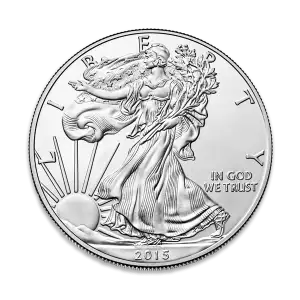
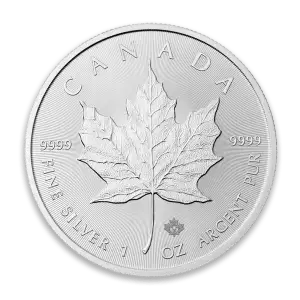
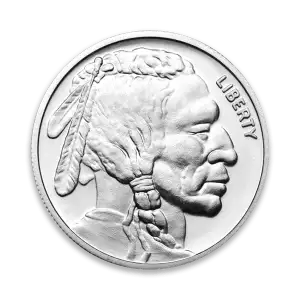
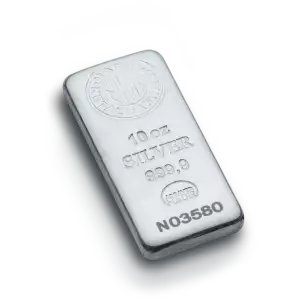
- Silver bullion: Popular choices include widely traded one-ounce silver bullion coins and rounds that carry modest premiums and strong recognition.
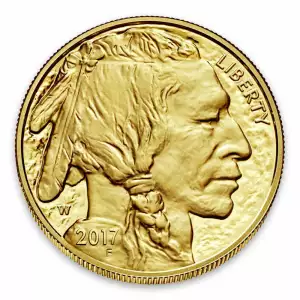
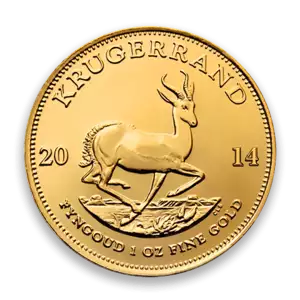
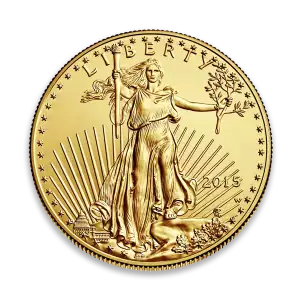
- Gold bullion: Commonly used items are one-ounce gold bullion coins and bars from major issuers because they are easy to resell and typically track spot closely.
- Numismatic note: Graded collectible coins may carry premiums and diverge from spot, so they are better suited to long-term collecting than quick ratio trades.
For precise specifications and composition details on U.S. bullion issues, investors often reference official data from the U.S. Mint, while PCGS and NGC provide grading standards and market information for certified coins.
Grading and certification considerations
Grading is the professional assessment of a coin's physical condition and authenticity. PCGS (Professional Coin Grading Service) and NGC (Numismatic Guaranty Corporation) are major independent graders who encapsulate coins in tamper-evident holders with assigned grades.
- When grading matters: Grading increases liquidity for rare and high-value numismatic coins, but grading costs usually are not justified for common bullion used in ratio trades.
- Resources: Collectors often use PCGS CoinFacts and NGC price guides to evaluate whether a coin's rarity and value justify grading and to see recent market trends.
Practical trading considerations (fees, premiums, storage, taxes)
Execution costs—premiums, dealer spreads, shipping, insurance, and secure storage—can significantly reduce returns from ratio trades, so it is important to quantify these before acting.
- Dealer premiums and bid/ask: The buy price includes a premium over spot, while the sell price is lower, and for small moves in the ratio these spreads may erase potential profit.
- Storage and insurance: Home storage risks theft, and third-party vaulted or allocated storage adds fees but improves security.
- Taxes: Tax treatment varies across jurisdictions, and bullion sales are generally taxed as capital gains under IRS capital gains guidance, while some coins may fall under collectibles rules, so a tax professional should be consulted.
Using the ratio with other indicators
Combining ratio signals with macro indicators such as real yields, currency strength, industrial demand, and ETF flows can reduce false signals and improve timing.
- Checklist: Many investors confirm ratio signals with moving averages, trends in real interest rates, and evidence of changing industrial demand or investment flows before making trades.
How to implement locally with Copper State Coin & Bullion
Turning ratio signals into actionable trades works best when you can combine local, in-person verification with online convenience, especially in a large market like the Phoenix metro. Copper State Coin & Bullion provides complementary in-store appraisals, a want-list sourcing service, and immediate buy/sell execution, which helps reduce the uncertainty of ordering blind from online-only or non-specialist buyers — you can contact our Phoenix and Peoria team to get started.
Inspecting coins in person avoids surprises such as hidden damage and lets you compare premiums and inventories in real time, while our Peoria and Phoenix staff can show current bullion options that fit a ratio-based plan and explain the trade-offs between bullion and numismatic pieces. If you prefer remote transactions, you can also browse our online bullion store and coordinate purchases that align with your allocation strategy.
Example case studies (short)
Consider an investor who bought silver when the ratio reached 85, paid reasonable premiums, and later sold when the ratio tightened to 60, producing a net gain after storage and transaction costs. By contrast, a collector might hold graded numismatic coins through volatility because rarity and collector demand, not just spot prices, drive long-term value.
Risks and when not to use the ratio
The ratio is a helpful signal but not a standalone rule, so you should avoid relying solely on it during periods of structural market change, severe liquidity constraints, or when execution costs are high.
- Structural risk: Long-term shifts in industrial demand or monetary policy can alter historical relationships between gold and silver, making past ranges less reliable.
- Liquidity and taxes: If you cannot execute trades at fair prices or face complex tax consequences for coin sales, the ratio's practical usefulness is limited.
Key takeaways and quick checklist
The gold to silver ratio strategy works best as one input among several, with low-premium bullion favored for timing trades and macro indicators used to confirm signals. Before trading, you should quantify fees and storage costs and set clear entry, exit, and position-size rules that fit your risk tolerance.
- Check the live spot ratio and calculate buy/sell premiums.
- Confirm signals with macro indicators and moving averages.
- Choose liquid bullion items and set risk controls before trading.
Frequently Asked Questions
Q: What is the gold-to-silver ratio?
A: The gold-to-silver ratio is the price of one troy ounce of gold divided by the price of one troy ounce of silver, indicating how many ounces of silver equal the cost of one ounce of gold.
Q: How do I calculate the ratio right now?
A: You calculate the ratio by taking current spot prices for gold and silver from a reliable market data source and dividing the gold price by the silver price. Many financial and bullion sites display this number in real time.
Q: What ratio level means buy silver?
A: There is no universal level, but many traders consider silver attractive when the ratio exceeds historical norms, often above 75–85, and then confirm with other indicators before buying.
Q: What ratio level means buy gold?
A: Traders often favor gold when the ratio drops below historical lows, commonly in the 40–50 range, suggesting gold may be cheap relative to silver, though costs and risk must still be considered.
Q: How reliable is the gold-silver ratio for timing?
A: The ratio is a useful timing signal when combined with risk management and macro analysis, but structural market shifts and high premiums can lead to false or delayed signals.
Q: Should I buy bullion or numismatic coins for ratio-based trades?
A: Bullion is generally better for ratio-based trades because it is more liquid and tracks spot more closely, while numismatic coins are better suited for long-term collecting and may not follow the ratio as closely.
Q: How do dealer premiums affect ratio trades?
A: Dealer premiums widen the buy/sell spread, so you need a larger move in the ratio for a trade to be profitable after costs.
Q: Where can I sell silver or gold in Phoenix or Peoria?
A: You can sell your gold and silver to Copper State Coin & Bullion at either of our Phoenix or Peoria locations, where experienced staff can provide an in-person appraisal and immediate offers. See the contact block below for addresses, hours, and phone numbers before visiting.
Q: Do you offer appraisal or grading services for coin collections?
A: Copper State Coin & Bullion provides complementary appraisals to evaluate holdings and paid insurance appraisals for formal documentation, and our team can advise on PCGS or NGC grading when numismatic value justifies submission.
Q: How do taxes work when trading gold and silver?
A: Bullion sales are typically taxed as capital gains, and some coins may be taxed as collectibles, so it is important to consult a tax professional about your specific situation.
Q: Can I use the ratio for long-term investing or only short-term trades?
A: The ratio can be used for both long-term allocation decisions and shorter-term tactical trades, as long as the strategy matches your time horizon and risk tolerance.
Q: How do I add a want list or request specific bullion from your inventory?
A: You can submit a want list online or in-store at Copper State Coin & Bullion, and staff will work to source requested items and notify you when matching inventory is available.
Call to action
Visit Copper State Coin & Bullion in Phoenix or Peoria for a complementary appraisal and to see current bullion inventory, or browse our online store and submit a want list so our team can source coins that match your ratio strategy.
Store locations, hours, and contact
Peoria
8360 W Thunderbird Rd C103, Peoria, AZ 85381, United States
Mon–Fri 9:00 AM–5:00 PM | Sat 9:00 AM–4:00 PM | Sun Closed
Phone: (623) 432-3953
Phoenix
4550 E Bell Rd Ste 188, Phoenix, AZ 85032, United States
Mon–Fri 9:00 AM–5:00 PM | Sat 9:00 AM–4:00 PM | Sun Closed
Phone: (602) 377-1944