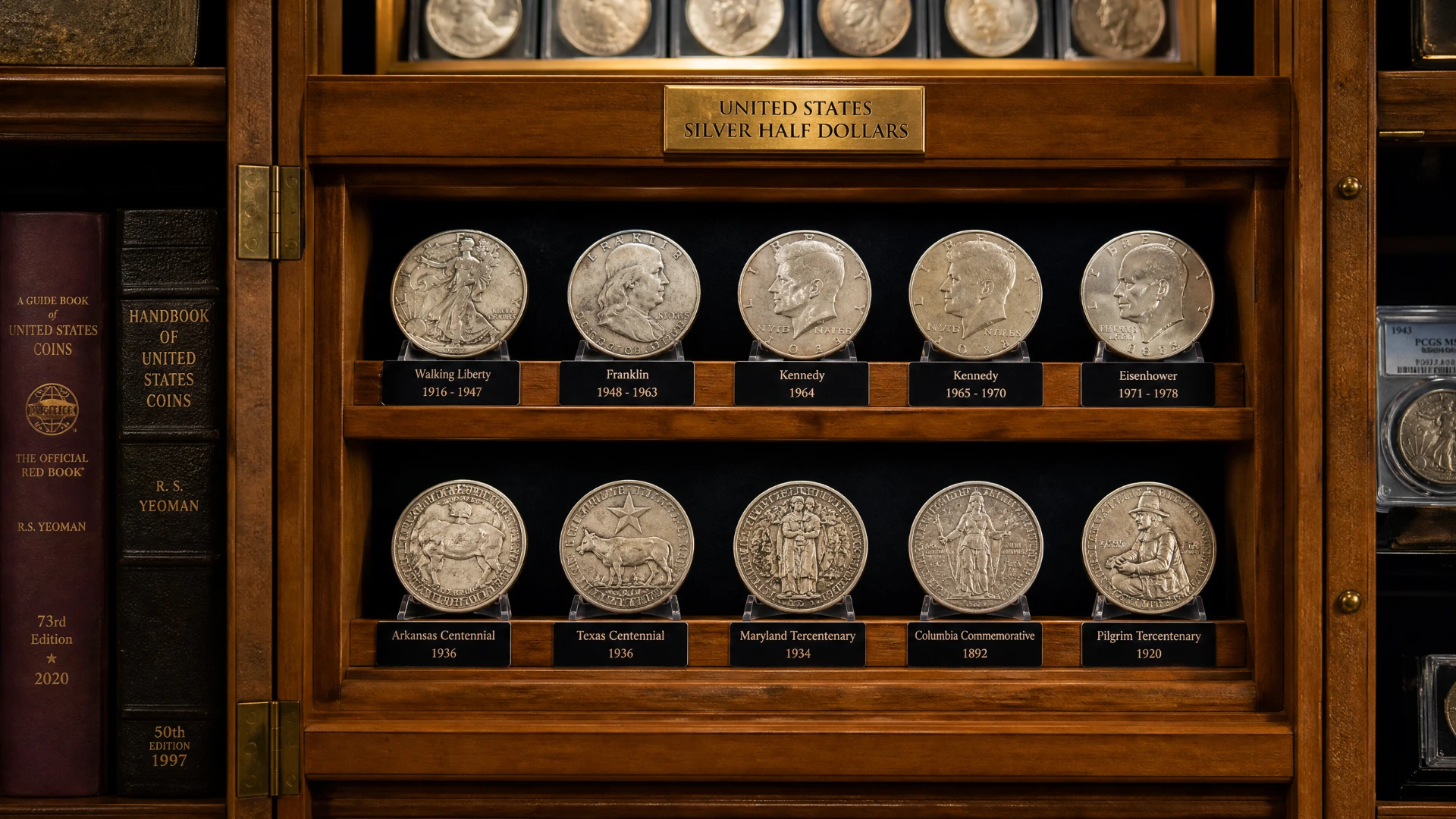
The Walking Liberty half dollar is one of the most admired U.S. coin designs ever made. Struck from 1916 through 1947, these classic silver half dollars appeal to beginning collectors, advanced numismatists, and investors interested in tangible precious metals.
A coin’s value can range from its silver content to many times that amount, depending on its date, mint mark, condition, authenticity, and collector demand. This silver half dollar collectors guide explains how to evaluate the series and make better buying or selling decisions.
What Is a Walking Liberty Half Dollar?
A Walking Liberty half dollar is a U.S. 50-cent coin designed by Adolph A. Weinman and produced from 1916 to 1947. The U.S. Mint's coin description identifies the obverse as showing Liberty walking with branches in hand and the reverse as featuring an eagle perched on a rock.
The obverse is the front side of a coin, while the reverse is the back side. Walking Liberty half dollars are especially popular because their design combines Liberty, the American flag, sunlight, an eagle, and other patriotic imagery in a graceful composition.
The series was made from 90% silver, giving each standard example an important bullion component. However, silver content is only one part of a coin’s potential value.
Why Collectors Admire Walking Liberty Half Dollars
Walking Liberty half dollars combine artistic beauty, American history, silver content, and collecting challenge. Their long production run makes it possible to build a collection by date, mint mark, grade, or design type.
A type set is a collection containing one representative example of each major coin design. A collector building a type set may need only one attractive Walking Liberty half dollar, while a series specialist may pursue every date and mint-mark combination.
The coins also appeal to investors because their silver content gives them a tangible precious-metals foundation. Collectors, however, should avoid treating every old silver half dollar as interchangeable; scarce dates and high-grade examples can carry substantial numismatic premiums. Collectors ready to start comparing individual coins can browse Copper State's Walking Liberty half dollar inventory to see available dates and grades.
Walking Liberty Half Dollar Dates and Mint Marks
The date and mint mark are two of the most important details when determining Walking Liberty half dollar value. A mint mark identifies the Mint facility that produced a coin, while a coin without a mint mark generally indicates production at Philadelphia.
Common Dates for Beginner Collectors
Common-date Walking Liberty half dollars can be practical entry points for new collectors. Examples in circulated grades may allow beginners to study the design and build a collection without starting with the most expensive issues.
A common date is not necessarily low quality. An attractive, original coin with clear details and pleasing surfaces may be more desirable than a damaged example with a scarcer date.
Key Dates and Scarcer Issues
A key date is a particularly scarce or strongly demanded issue that is more difficult to obtain than common dates in the same series. The 1916-D and 1921-D are important dates that deserve careful examination, while several 1919-D, 1921-S, and other early issues can also be challenging.
The 1921-D is scarce even in lower circulated grades and especially rare in Mint State, according to PCGS CoinFacts data. Never assume a fixed value from the date alone; grade, authenticity, cleaning, and surface quality can dramatically change the result.
Where to Find the Mint Mark
On Walking Liberty half dollars, the mint mark appears on the reverse near the lower-left area, beside the branch and rock. Common mint marks include “D” for Denver and “S” for San Francisco.
A worn coin may make the mint mark difficult to identify. When a possible key date is involved, a professional review can help prevent a costly identification or valuation mistake.
What Determines Walking Liberty Half Dollar Value?
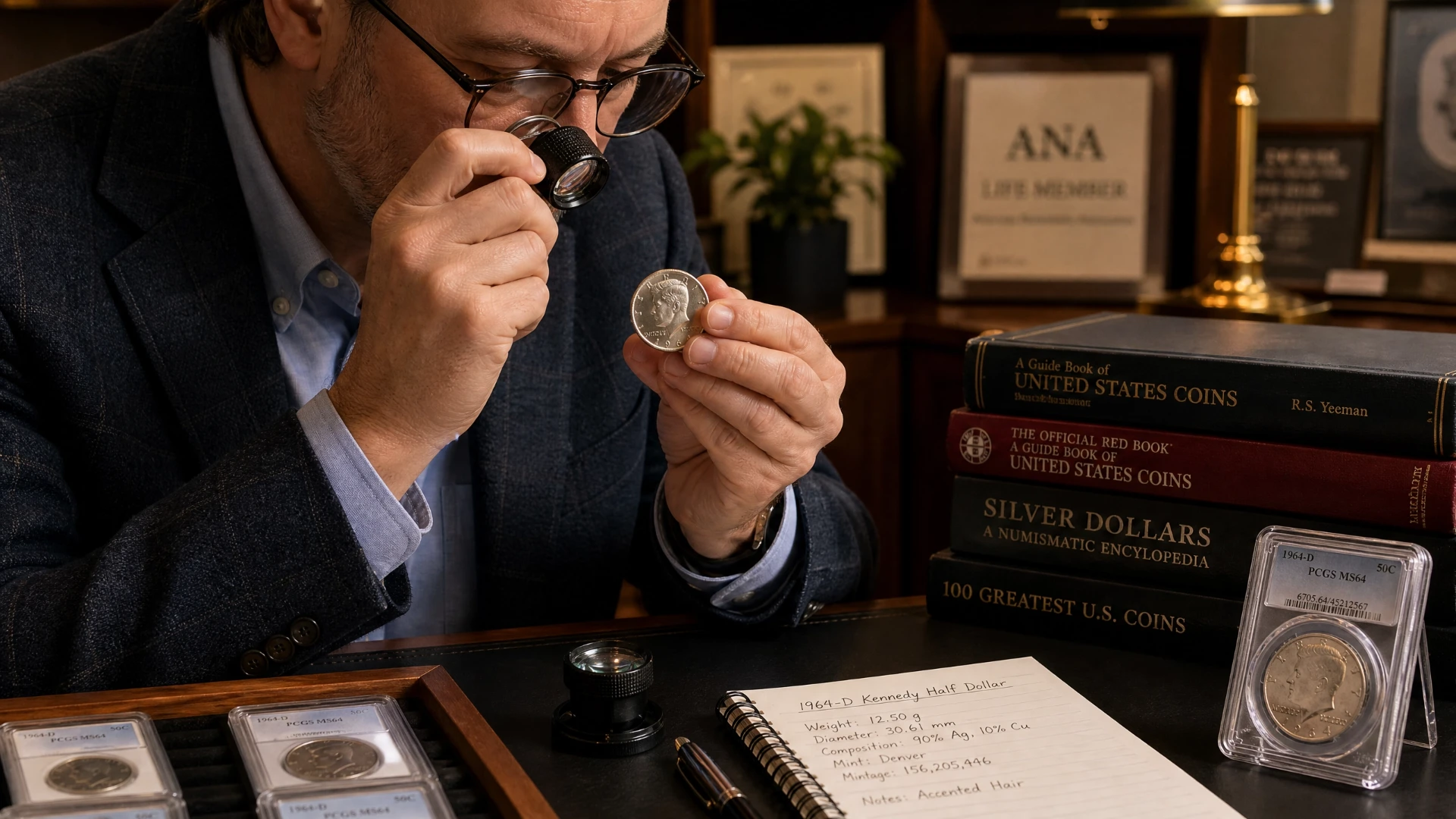
Walking Liberty half dollar value depends primarily on the date, mint mark, grade, originality, and current market demand. Silver prices establish a baseline for many examples, but collectible factors determine whether a coin sells near that baseline or commands a significant premium.
Date and Mint Mark
Scarcity is often the first factor collectors examine. Two coins with the same design and similar appearance may have very different values if one has a scarce mint mark or date.
Price guides can help establish a starting point, but they should be used carefully. PCGS provides a Walking Liberty half dollar price guide by year, variety, and grade, illustrating why a general series estimate is not enough for a specific coin.
Condition and Grade
Grading is the process of evaluating a coin’s condition on a standardized scale, generally from 1 to 70. Grade considers wear, remaining detail, marks, luster, strike, and overall eye appeal.
A circulated coin has been used in commerce and shows wear. A Mint State, or MS, coin shows no wear from circulation, although it may still have marks or other imperfections.
Strike, Luster, Toning, and Eye Appeal
A strike describes how sharply the design was impressed when the coin was made. Luster is the reflective surface quality created by the minting process, while toning is the color that develops on a coin’s surface over time.
These factors can separate two coins carrying the same numerical grade. Attractive original toning and strong detail may increase collector interest, while harsh cleaning, scratches, unnatural color, or damaged surfaces can reduce desirability.
Silver Content and Market Conditions
Spot price is the current market price for one troy ounce of silver, and it changes throughout each trading day. A Walking Liberty half dollar's melt value is simply its silver content priced at that spot rate — for the full formula and worked examples, see our melt value guide.
A premium is the amount a coin sells for above its melt value because of scarcity, condition, demand, or collector interest. Because silver prices move daily, melt value is only a starting point — not a substitute for a full numismatic appraisal.
Walking Liberty Half Dollar Grading Explained
Walking Liberty half dollar grading requires examining wear on high points, the amount of remaining detail, surface marks, luster, and eye appeal. The American Numismatic Association's grading standards provide terminology for both circulated and Mint State coins.
Circulated Grades
Circulated grades include Good, Very Good, Fine, Very Fine, Extremely Fine, and About Uncirculated. As grade increases, more design detail remains and less wear is visible.
On Walking Liberty half dollars, examine Liberty’s head, hand, gown lines, and the eagle’s breast and wings. AU, or About Uncirculated, describes a coin with only slight evidence of wear, while lower circulated grades show progressively heavier use.
Mint State Grades
Mint State coins show no circulation wear, but they are not automatically rare or valuable. MS grades typically range from 60 upward, with differences based on marks, luster, strike quality, and eye appeal.
The ANA notes that the Sheldon grading scale runs from 1 to 70, with Mint State grades occupying the uncirculated portion of the scale. A sharply struck MS coin with clean surfaces may be much more desirable than a technically similar coin with distracting marks.
Certified Versus Raw Coins
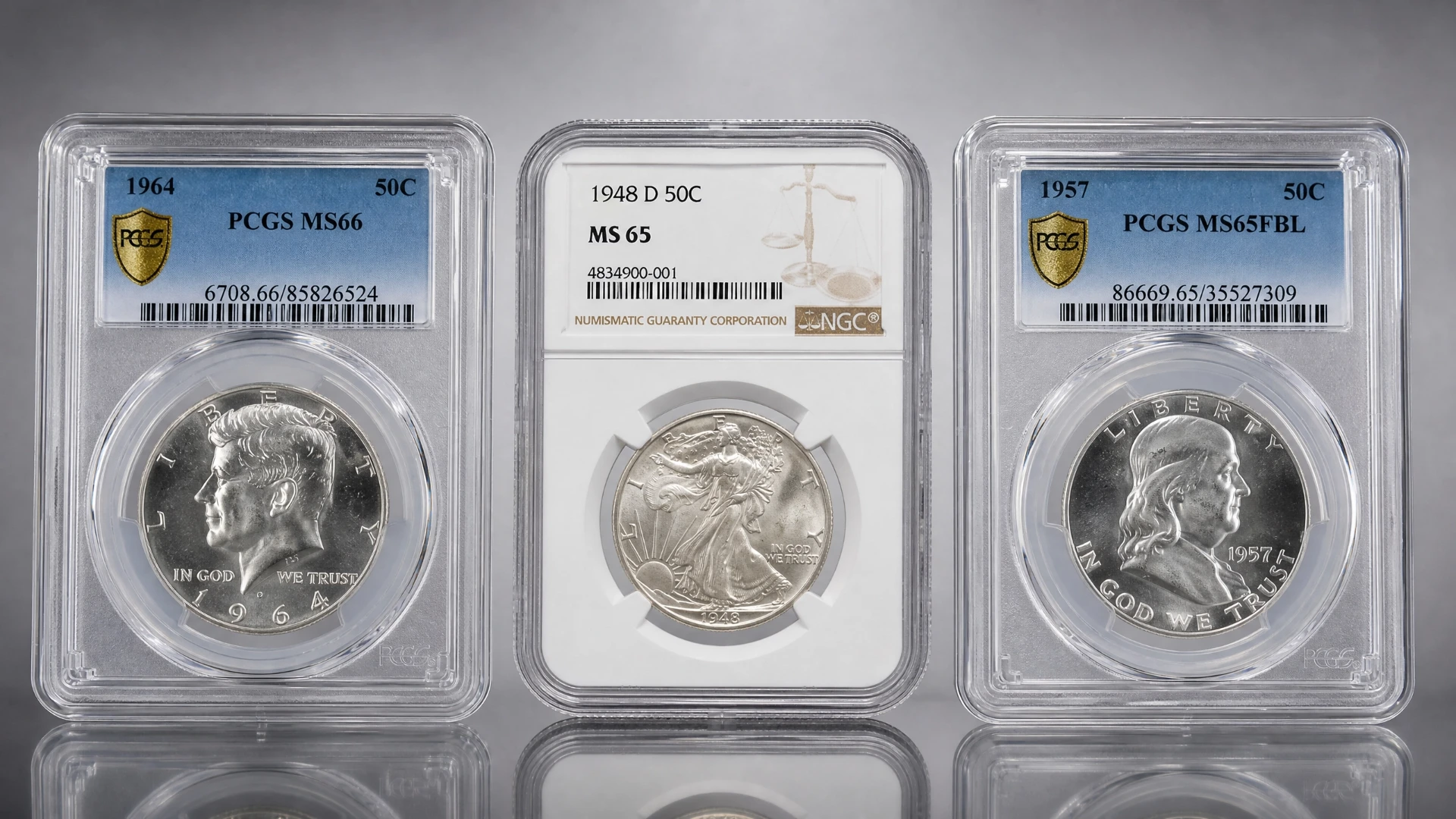
A raw coin is an uncertified coin that has not been authenticated and graded by a third-party service. A certified coin has been evaluated, assigned a grade, and sealed in a protective holder by a grading company.
PCGS and NGC are examples of third-party grading services used by collectors. Certification can make comparison easier, but buyers should still review the coin’s photographs, holder information, surfaces, and overall appeal.
How to Estimate Walking Liberty Half Dollar Value
To estimate value, record the coin’s date, mint mark, condition, certification details, and any signs of damage before consulting price guides or market comparisons. The most useful comparisons involve the same date, mint mark, grade, and certification level.
Why Online Price Estimates Differ
An asking price is not necessarily a completed sale price. Auction results, dealer buy prices, retail listings, and insurance values reflect different parts of the market and should not be treated as identical.
Two coins with the same grade may also differ in eye appeal, strike, luster, toning, and originality. A price guide is a research tool, not a guarantee of what a particular coin will sell for.
Avoiding Common Valuation Mistakes
Cleaning is one of the most common — and costly — mistakes collectors make with a Walking Liberty half dollar. Even light polishing leaves microscopic hairlines that a grading service can detect, which can permanently cap the coin's grade regardless of how sharp the underlying detail is.
Other common mistakes include overlooking the mint mark, assuming every old silver coin is rare, and applying the value of one date to another. Suspected key dates, inherited collections, high-grade coins, and pieces with questionable authenticity deserve professional review.
How to Buy Walking Liberty Coins
The best way to buy Walking Liberty coins is to establish a collecting goal, verify the coin’s identity and condition, and compare examples by date, mint mark, grade, and quality. A thoughtful purchase is usually better than choosing the cheapest available coin.
Choose a Collecting Goal
You might begin with one attractive circulated example, build a date-and-mint-mark set, collect certified coins, or focus on a particular era. Setting a budget helps prevent a collection from becoming an unplanned series of expensive purchases.
Beginners can learn a great deal from affordable common dates. Experienced collectors may prefer scarce issues, better strikes, or high-grade certified examples.
What to Check Before Buying
Review the date, mint mark, grade, certification number if applicable, photographs, return policy, and seller reputation. Look carefully for cleaning, scratches, corrosion, altered dates, counterfeit details, or damage hidden by poor photography.
A coin’s holder does not replace careful examination. The coin itself, not merely the label, determines whether the purchase is attractive for your collecting goals.
Buying Online Versus In Person
Online buying offers broad selection and convenient access to certified coins, including material from national inventories. In-person buying allows you to examine surfaces, compare coins directly, and ask questions before purchasing.
For collectors who want both convenience and personal guidance, Copper State Coin & Bullion offers access to in-person expertise in Arizona and an online store serving customers nationwide. The team can help compare dates, mint marks, grades, and certification options, while its want list service can assist collectors searching for a specific Walking Liberty half dollar.
How to Sell Walking Liberty Half Dollars
The best way to sell Walking Liberty half dollars is to have the coins identified and evaluated before accepting an offer. Organize the pieces by date, leave them uncleaned, and bring any certificates, receipts, or collection records you have. Copper State's coin selling process outlines what to expect at each step.
Common-date coins may be evaluated primarily as silver or as collectible coins, while scarce dates and better-grade examples require more detailed numismatic analysis. A group of coins may also contain one valuable piece that should not be overlooked.
Why Professional Evaluation Matters
A professional evaluation can identify scarce dates, mint marks, varieties, errors, cleaning, damage, and collectible premiums that a basic silver calculation may miss. It can also help separate a selling appraisal from an insurance document.
An appraisal is an opinion of value prepared for a specific purpose. A complementary appraisal may help someone considering a sale, while a paid insurance appraisal is a detailed report prepared to document property for coverage or claims.
Selling Walking Liberty Half Dollars with Copper State Coin & Bullion
Arizona sellers should look for a licensed dealer who explains the evaluation clearly and understands both bullion and collectible coins. This is especially important for inherited collections, estate coins, and groups containing both common and scarce material.
Copper State Coin & Bullion serves collectors and sellers through its Peoria and Phoenix locations, with over 40 years of numismatic experience and knowledge of certified coins, silver bullion, key dates, and broader collections. That combination helps sellers understand whether a Walking Liberty half dollar should be evaluated primarily for its silver content, its collectible premium, or both.
Building a Walking Liberty Half Dollar Collection
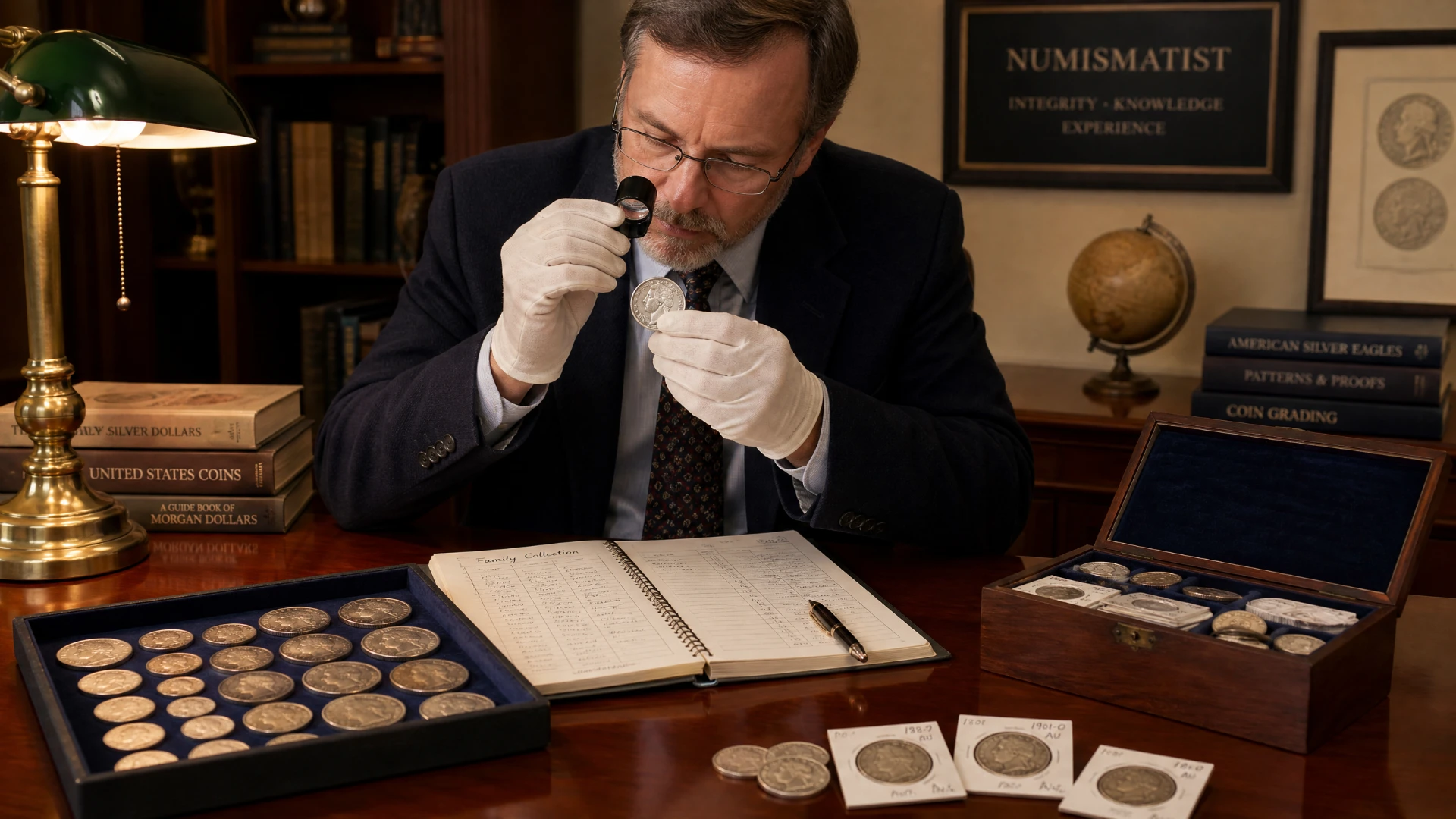
A successful Walking Liberty half dollar collection begins with a clear goal and careful recordkeeping. Start with an attractive type coin or common date, then add scarce dates or certified examples as your knowledge and budget develop.
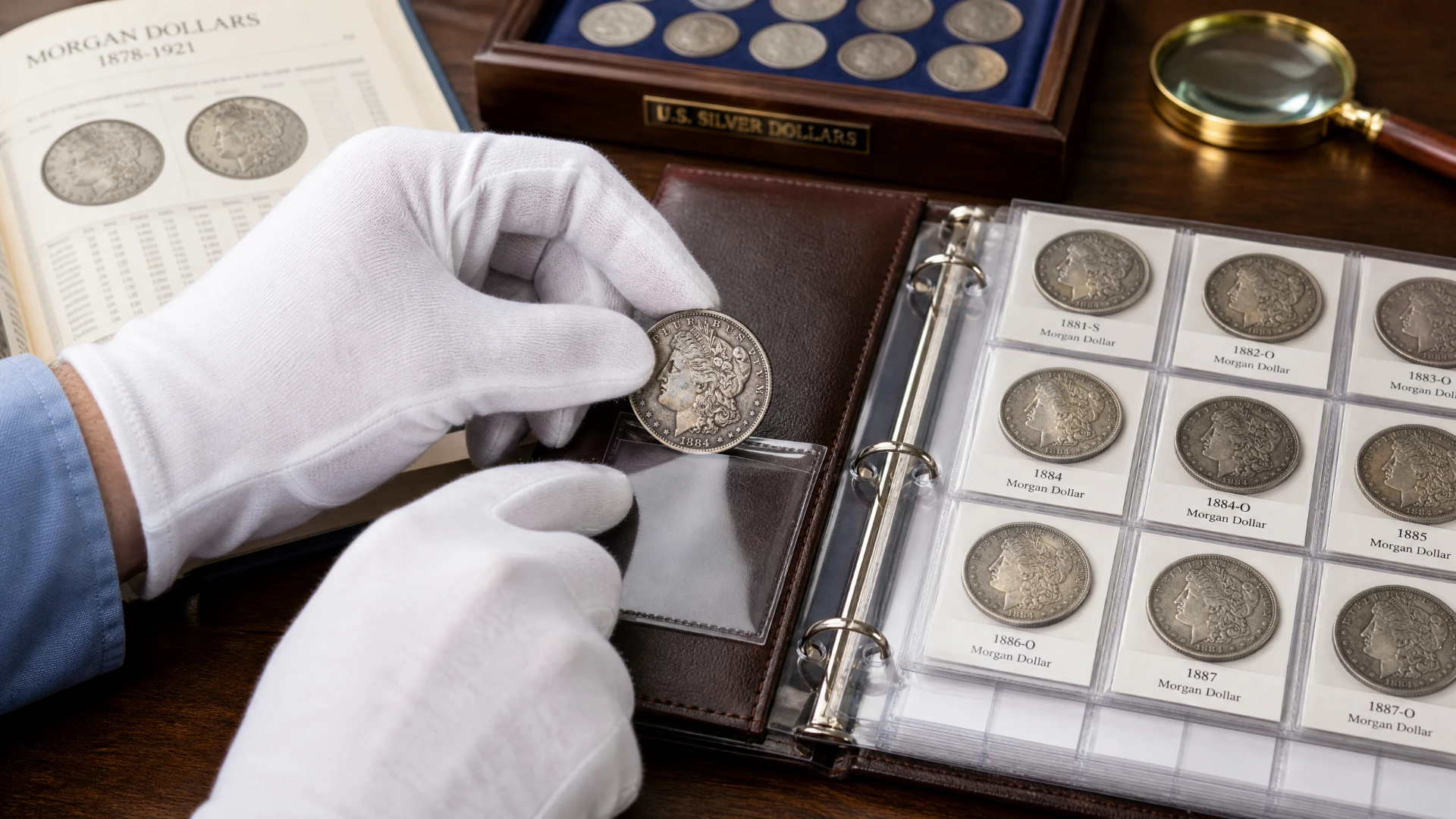
Store coins in inert holders and handle them by their edges. Keep notes about purchase price, grade, certification, and provenance so you can track the collection over time.
Using a Want List
A want list is a written request identifying the exact coins a collector hopes to acquire. It can include dates, mint marks, grades, certification preferences, eye-appeal requirements, and budget.
A want list is useful when a collector seeks a difficult Walking Liberty half dollar rather than simply browsing available inventory. Copper State’s team can help source specific coins and notify clients when suitable material becomes available. Contact Copper State's team to submit your want list details.
Final Tips for Collectors
The most important factors in Walking Liberty half dollar value are date, mint mark, grade, authenticity, surface quality, silver content, and market demand. No single price applies to every coin in the series.
Research common dates before purchasing, avoid cleaning, and seek guidance before selling a suspected key date. A careful approach benefits both collectors building sets and investors evaluating the balance between bullion value and numismatic premium.
Buy, Sell, or Appraise Walking Liberty Half Dollars
Copper State Coin & Bullion offers coin-buying and selling guidance, complementary appraisals, paid insurance appraisals, and want-list assistance. Collectors can browse the online store or visit either Arizona location for hands-on guidance from the team.
Frequently Asked Questions
Q: What is a Walking Liberty half dollar?
A: A Walking Liberty half dollar is a U.S. 50-cent silver coin struck from 1916 through 1947. Adolph A. Weinman designed the walking Liberty obverse and eagle reverse.
Q: How much is a Walking Liberty half dollar worth?
A: Its value depends on the date, mint mark, grade, authenticity, surface condition, silver market, and collector demand. Common circulated coins may trade closer to their silver value, while scarce or high-grade examples can carry significant premiums.
Q: Are all Walking Liberty half dollars made of silver?
A: Yes, the regular Walking Liberty half dollar series was made with 90% silver. Its melt value changes with the silver spot price, but collectible value may be substantially higher.
Q: Which Walking Liberty half dollars are key dates?
A: The 1916-D and 1921-D are important key dates in the series. Other early dates, including certain 1919-D and 1921-S examples, can also be difficult to find in desirable grades.
Q: How can I tell what grade my Walking Liberty half dollar is?
A: Examine wear on Liberty’s head, hand, gown, and the eagle’s breast and wings, then compare the coin with recognized grading standards. A professional opinion is recommended for valuable or potentially rare examples.
Q: What does MS mean on a Walking Liberty half dollar?
A: MS means Mint State, indicating that the coin shows no wear from circulation. The numerical MS grade reflects factors such as marks, luster, strike, and eye appeal.
Q: Should I clean my Walking Liberty half dollar before selling it?
A: No, you should not clean it before selling or submitting it for evaluation. Cleaning can damage the surface and reduce the coin’s appeal to collectors.
Q: Is it better to buy a raw or certified Walking Liberty half dollar?
A: Certified coins generally offer easier comparison because they have been authenticated and graded by a third-party service. Raw coins may cost less or provide opportunities for experienced buyers, but they require more judgment.
Q: Where can I buy Walking Liberty coins in Arizona?
A: You can buy Walking Liberty coins at Copper State Coin & Bullion’s Peoria or Phoenix locations or through its online store. Inventory changes, so collectors seeking a specific date or grade may also submit a want list.
Q: Where can I sell Walking Liberty half dollars in Phoenix or Peoria?
A: You can request a complementary in-person appraisal at Copper State Coin & Bullion’s Phoenix or Peoria locations. Bring the coins as they are, along with any certification or collection records, and do not clean them first.
Q: Can I get a Walking Liberty half dollar appraisal?
A: Yes, Copper State Coin & Bullion provides complementary in-person appraisals for Walking Liberty half dollars and collections being considered for sale. A paid insurance appraisal is a separate service that provides detailed documentation for coverage or claims.
Q: Can a dealer help me find a specific Walking Liberty half dollar?
A: Yes, Copper State Coin & Bullion can use a want list to help locate a particular date, mint mark, grade, certification, or budget range. This service is especially useful for scarce early issues and high-grade certified coins.
Visit Copper State Coin & Bullion or Shop Online
Have a Walking Liberty half dollar to evaluate, or are you looking for a specific date and grade? Visit Copper State Coin & Bullion for a complementary appraisal in Peoria or Phoenix, browse the online store, or submit a want list for nationwide sourcing.
Peoria: 8360 W. Thunderbird Road C#103 — (623) 432-3953
Phoenix: 4550 E. Bell Road Suite 188 — (602) 377-1944
Hours: Monday–Friday, 9 a.m.–5 p.m.; Saturday, 9 a.m.–4 p.m.; Sunday, closed.