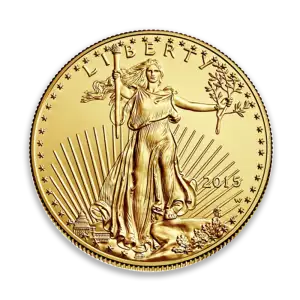
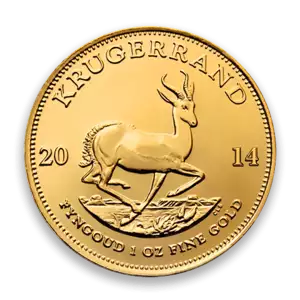
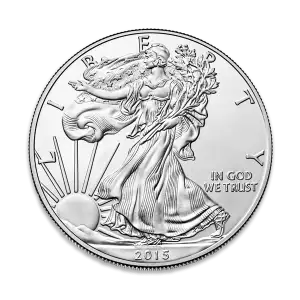
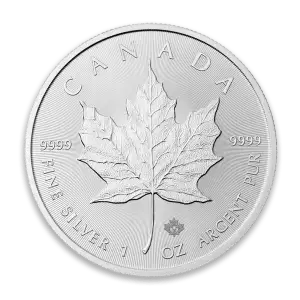
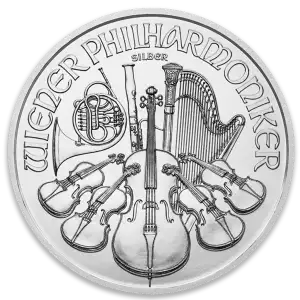
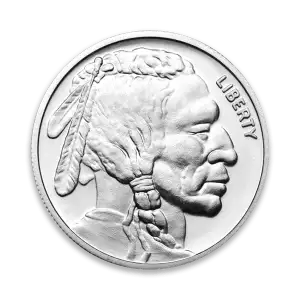
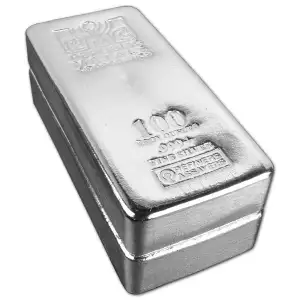
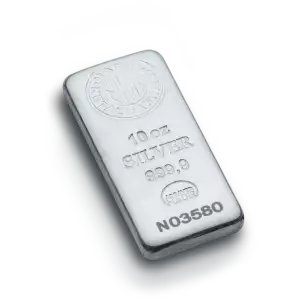
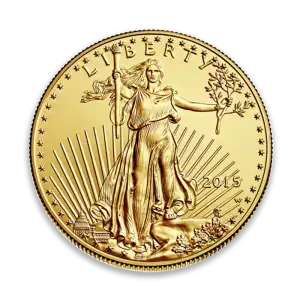
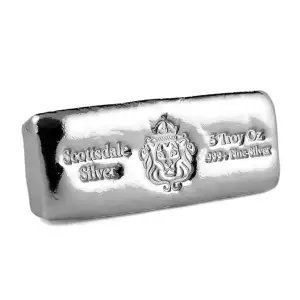
Selling coins and bullion can feel overwhelming, but with a clear process and the right buyer, you can turn your collection into cash safely and confidently. Whether you sell locally or online, the key is understanding your options and how different buyers value your coins and precious metals.
What to Consider Before You Sell Coins and Bullion
Summary bullets:
- Define what you have, what you want (price vs speed vs convenience), and your risk tolerance.
- Decide early whether you prefer local in-person sales or online marketplaces.
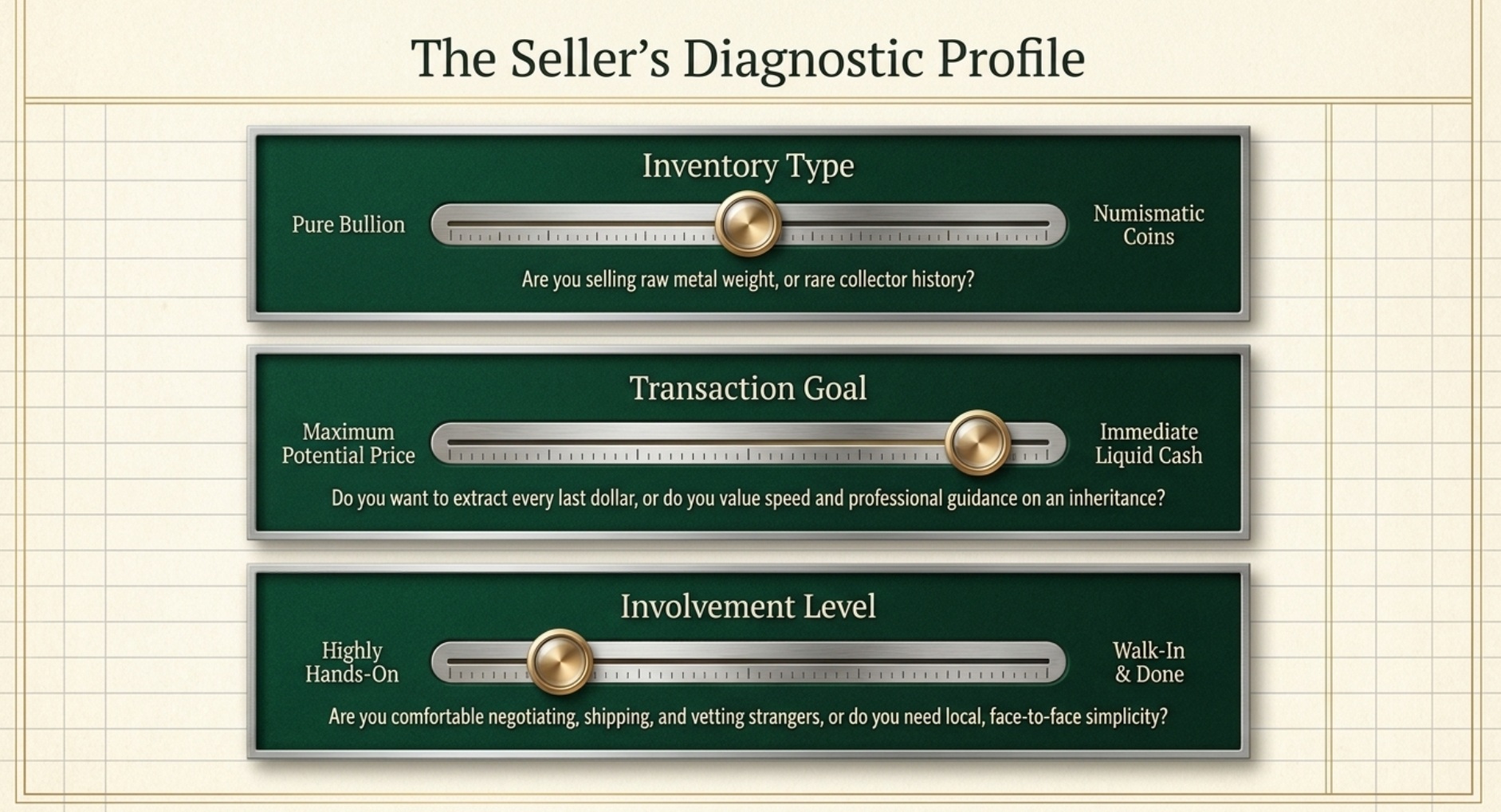
Before you choose where to sell coins and bullion, take stock of your situation. Ask yourself:
- What am I selling?Bullion vs numismatic coins, US vs world, graded vs raw, small batch vs full collection.
- What is my goal? Maximize price, get quick cash, or get professional guidance on an inheritance.
- How hands-on do I want to be? Comfortable negotiating and shipping, or would you rather walk into a local coin dealer and be done?
Selling gold and silver locally instead of online reduces shipping risk and speeds up payment, while online options may reach a broader audience but demand more effort and risk management.
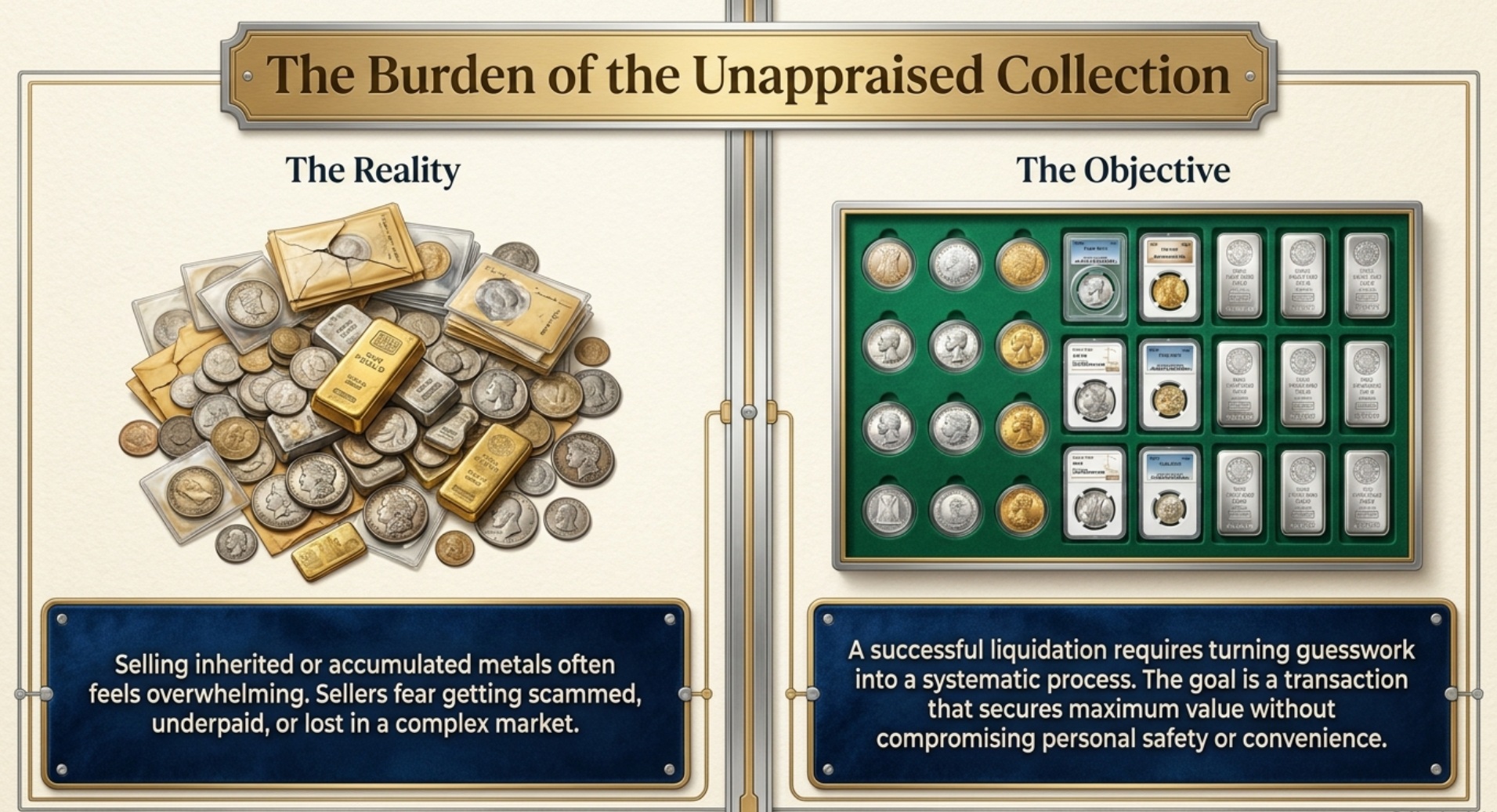
Definition: What Is a Coin Dealer?
Summary bullets:
- A coin dealer is a specialist buyer/seller focused on coins, bullion, and related collectibles.
- Good dealers understand both metal value and collector premiums.
A coin dealer is a professional who buys and sells coins, bullion, and related numismatic items as their primary business. Unlike general buyers or pawn shops, coin dealers track precious-metal prices, collector demand, and grading standards so they can value both bullion and collectible coins accurately.
- Operates from a stable business location.
- Follows market spot prices and auction results.
- Explains how they arrive at offers.
Local vs Online: Main Options for Selling Coins and Bullion
Summary bullets:
- Local options: coin shops, pawn shops, cash-for-gold, private buyers.
- Online options: auction sites, marketplaces, mail-in buyers, specialist dealers.
When deciding where to sell gold and silver locally instead of online, you’ll typically compare four local options plus several online choices.
Local options:
- Specialist coin and bullion shops
- Pawn shops
- Cash-for-gold and jewelry buyers
- Private buyers (clubs, classifieds, meetups)
Online options:
- Auction platforms and marketplaces
- Online-only bullion and coin dealers
- Mail-in “cash for gold/silver” programs
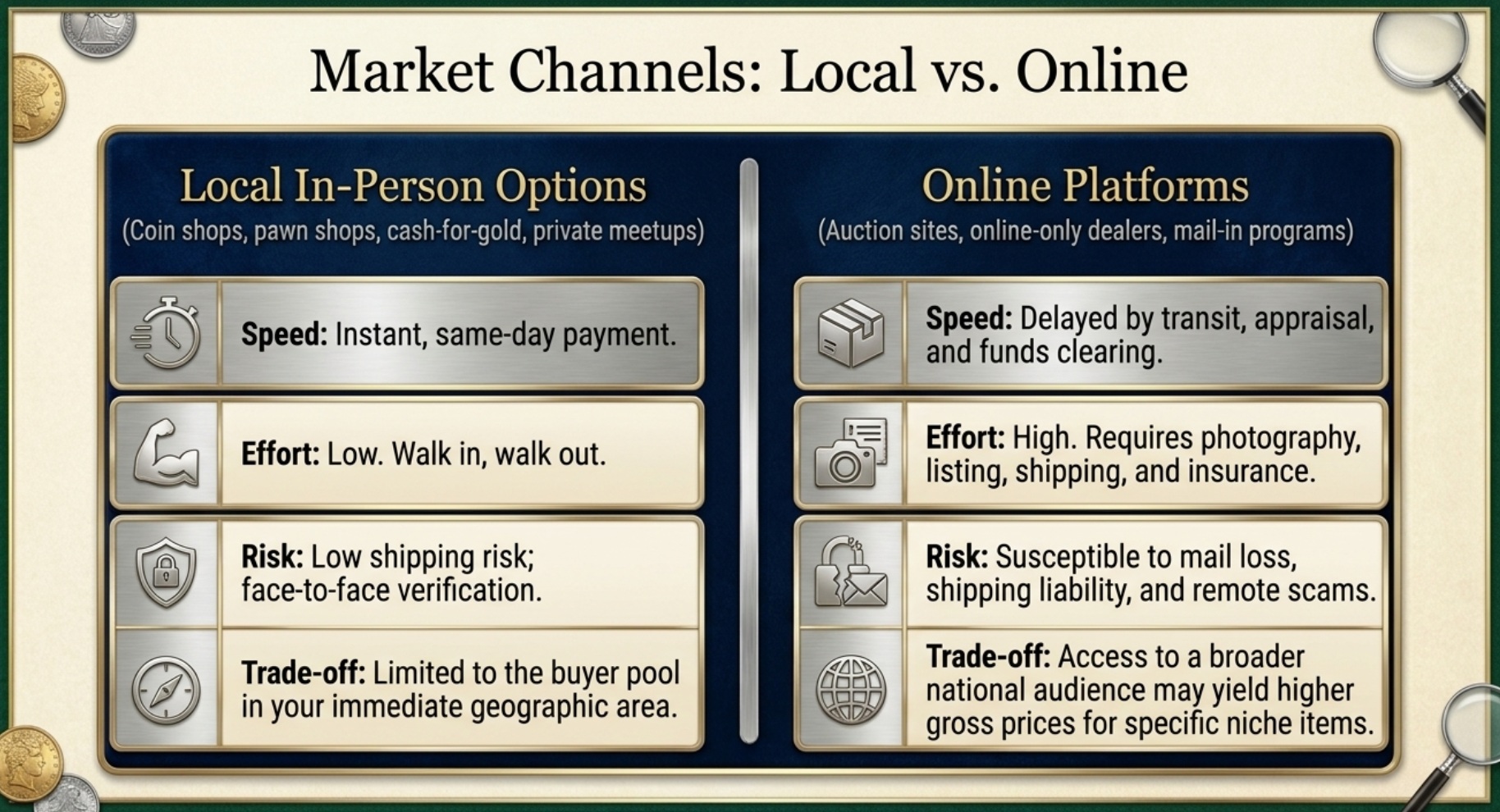
Local options give you face-to-face interaction and instant payment, while online options may yield higher prices for certain items but require more effort, shipping, and scam prevention.
Coin Shop vs Pawn Shop vs Private Buyer (At a Glance)
Summary bullets:
- Coin shops specialize and usually pay the fairest market-based prices.
- Pawn shops prioritize speed and loans, often paying less.
- Private buyers can pay well but carry more risk.
| Buyer type | Pros | Cons | Best for |
|---|---|---|---|
| Coin shop | Specialist knowledge, market-based pricing, safe environment | Won’t pay full retail; may need appointment for large collections | Bullion, rare/collector coins, full sets |
| Pawn shop | Fast, widely available, simple transactions | Often lower offers, limited numismatic expertise, focus on quick turnover | Small, common items when speed matters |
| Private buyer | Potentially higher offers, direct negotiation | Safety concerns, scam risk, more time and effort needed to vet and complete deals | Experienced sellers, niche material |
Pros and Cons of Selling Coins to a Local Coin Shop
Summary bullets:
- For most people, a coin shop is the best balance of value, safety, and simplicity.
- You trade some margin for speed and professional handling of your collection.
Selling coins to a local coin shop has clear advantages:
- Specialized expertise: Dealers recognize key dates, better grades, and varieties that deserve more than melt.
- Transparent, market-based offers: Pricing is tied to current spot price and collector demand, not just guesswork.
- Comfort and safety: Transactions happen in a professional, monitored setting.
- Ability to handle collections: They can sort, value, and purchase entire collections at once.
The main trade-off is that dealers must leave room for resale profit, so you will not receive full retail prices—but you gain time, safety, and professional guidance.
Definition: What Is Spot Price?
Summary bullets:
- Spot price is the current market price for immediate delivery of gold, silver, and other metals.
- It’s the baseline that bullion buyers and sellers use to calculate offers.
Spot price is the real-time market price for one unit (usually one troy ounce) of a precious metal like gold or silver for immediate delivery. It constantly changes during trading hours based on global supply and demand, currency movements, and market sentiment.
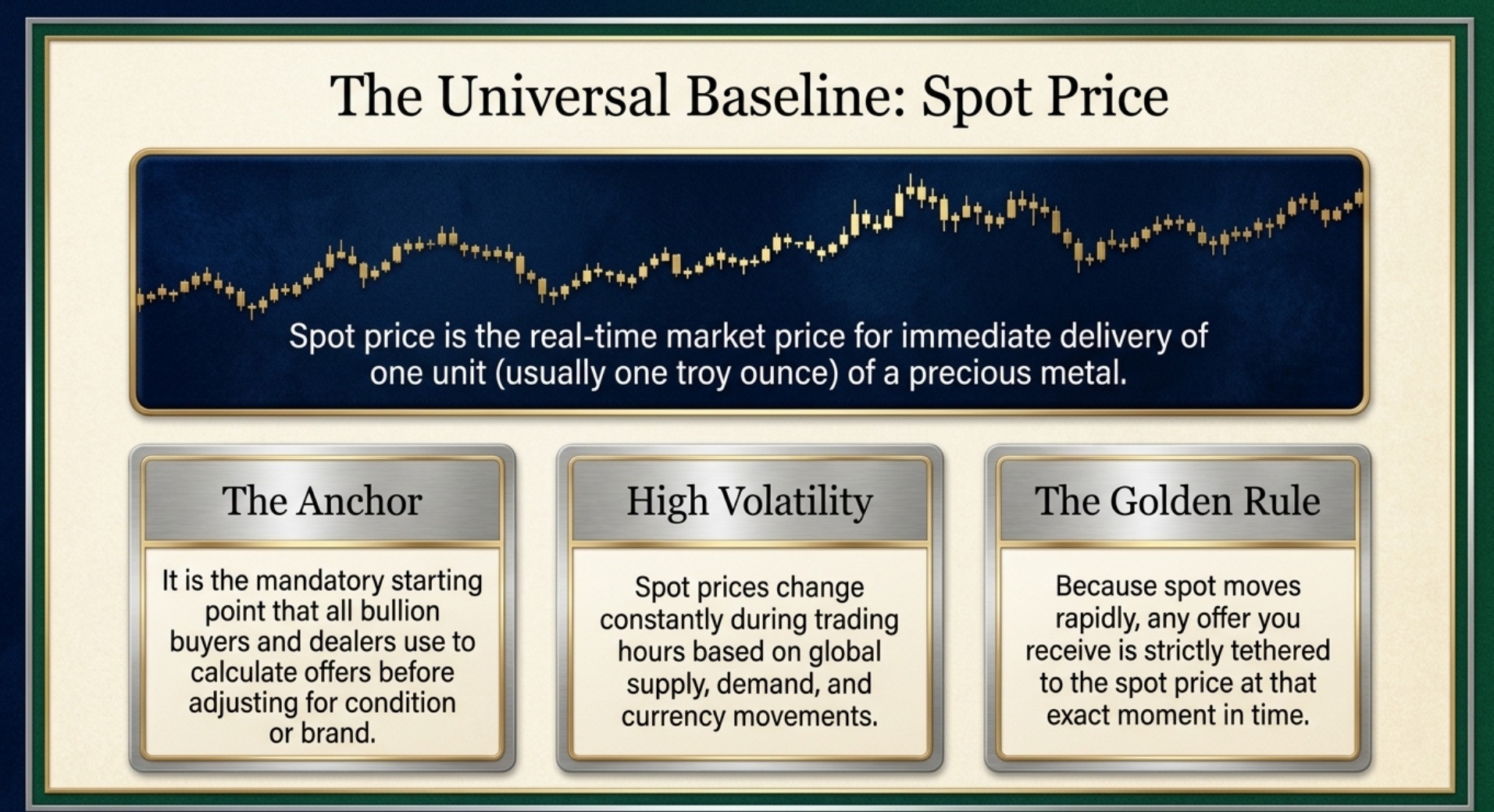
Coin dealers and bullion buyers use spot price as the starting point when they calculate what they’ll pay for your coins, bars, and rounds, then adjust up or down for product type, brand, and condition.
Step-by-Step Process of Selling Coins
Summary bullets:
- Prepare: sort, document, and understand what you have.
- Get quotes from reputable buyers and choose the best mix of price, safety, and convenience.
A simple, repeatable process helps you sell coins and bullion with confidence:
- Identify what you have
- Separate bullion from obvious collectibles.
- Note denominations, dates, countries, and visible mintmarks.
- Do light research
- Check approximate bullion value using current spot price.
- Decide local vs online
- If you value speed and safety, prioritize local coin shops.
- If you’re comfortable shipping and dealing with strangers, online marketplaces or mail-in programs may be options.
- Get 1–3 offers from reputable buyers
- Start with a specialist coin dealer.
- If you wish, add a quote from a pawn shop or other local buyer for comparison.
- Compare offers and terms
- Look at price, reputation, payment method, and how clearly the buyer explains their numbers.
- Complete the sale safely
- Finalize the transaction in a secure place, get a receipt, and confirm funds (cash, verified transfer, or certified check) before handing over valuable items.
How to Compare Offers From Different Coin Buyers Near You
Summary bullets:
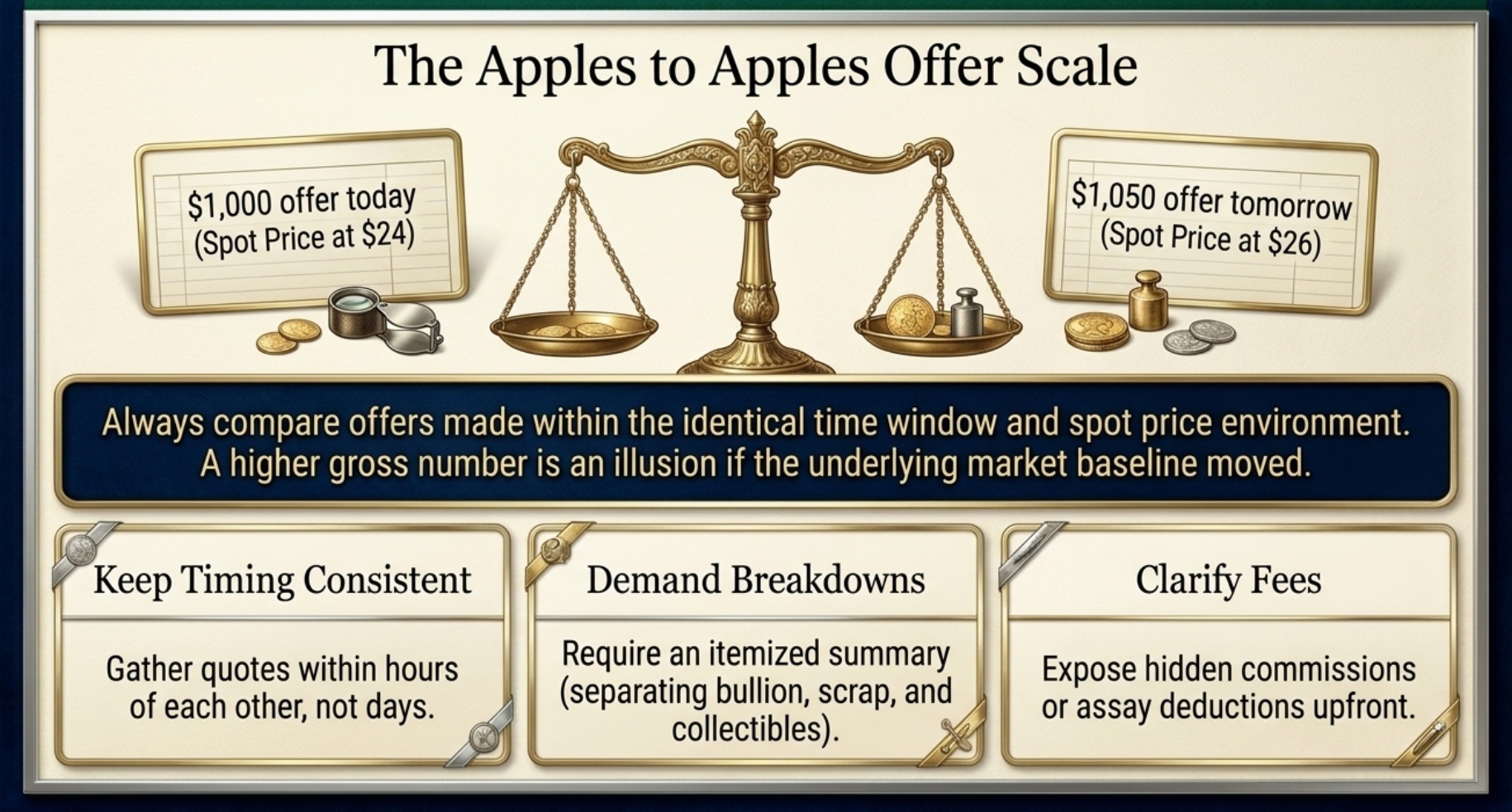
- Always compare offers made within the same time window and spot price environment.
- Focus on transparency and reputation, not just the highest number.
To compare offers from different coin buyers near you, make sure you’re evaluating like for like:
- Keep timing consistent: Spot prices can move quickly, so gather quotes within a short window.
- Ask for breakdowns: Get a simple itemized summary, at least by category (bullion, scrap, collectibles).
- Clarify fees: Ensure any commissions or deductions are explained upfront.
Key questions to ask every buyer:
- How do you calculate your offers (spot-based, catalog prices, auction comps)?
- Do you consider numismatic value or just metal weight?
- How and when will I be paid?
When you’re comparing, weigh reputation, safety, and clarity alongside the offer amount; a slightly lower price from a highly trustworthy buyer may be the smarter choice.
Tips for Safely Selling Gold and Silver in Your Area
Summary bullets:
- Meet only in secure, public, or business locations.
- Verify both the buyer’s identity and the form of payment.
Safety is critical when you sell gold and silver locally instead of online. Practical tips include:
- Meet in reputable coin shops, banks, or secure public places—not private residences or parking lots.
- Avoid sharing detailed information about your collection or sale plans publicly.
- For large transactions, consider completing the deal at your bank so you can immediately verify funds.
To protect yourself from underpayment or scams:
- Get more than one offer from established buyers with visible reviews.
- Keep basic records (weights, counts, photos) of what you’re selling.
- Never hand over high-value items until you are fully satisfied with payment and paperwork.
FAQ: Selling Coins and Bullion (Local vs Online) – Schema-Ready
What is the best place to sell coins near me?
The best place to sell coins near you is usually a reputable coin and bullion dealer with a physical shop, solid reviews, and clear, market-based pricing. Specialist dealers understand both metal value and collector premiums, which helps you avoid scrap-only offers and underpricing.
Is it better to sell gold and silver locally or online?
Selling locally offers face-to-face interaction, no shipping risk, and instant payment, which many people prefer for higher-value items. Online sales can reach more buyers and sometimes bring higher prices, but they require more effort, shipping, and careful protection against scams and returns.
How do local coin dealers decide what to pay for coins and bullion?
Local coin dealers start with current spot price for gold and silver, then adjust for the specific product, brand, and condition. For collectible coins, they also consider rarity, grade, and demand, often referencing price guides and auction records before making an offer that includes a reasonable resale margin.
What kinds of coins do local buyers pay the most for?
Local buyers generally pay the most for widely traded bullion coins and bars, key-date or high-grade collectible coins, and certified pieces from trusted grading services. These items are easier to value and resell, which allows dealers and serious collectors to pay stronger, more competitive prices.
How can I compare offers from different coin buyers?
To compare offers, gather quotes in the same time frame, ask each buyer to explain how they priced your items, and confirm whether any fees apply. Look at reputation, safety, and clarity as well as the dollar amount, then choose the buyer who offers the best overall combination of fairness and security.
What’s the safest way to sell gold and silver locally?
The safest way is to work with established coin or bullion shops, meet only in secure locations, and verify payment before handing over items. For large transactions, completing the deal at a bank and keeping detailed receipts and inventory records adds an extra layer of protection and peace of mind.
Do I need an appointment to sell my coins?
Many coin shops accept walk-ins for small amounts, but they may prefer or require appointments for large or complex collections. Calling ahead or checking the shop’s website helps you plan your visit, ensures the right expert is available, and can make the process smoother and faster.
If you’re ready to sell coins or bullion, start by organizing what you have, then speak with a trusted coin dealer who can walk you through your options and provide a clear, no-pressure offer you can compare with confidence.