Starting a coin collection on a small budget is possible when you choose a focused theme, set a realistic spending limit, and learn how condition affects value. This guide is for new collectors who want affordable coins with historical or artistic interest, as well as investors who want to understand the difference between collecting and buying bullion.
Can You Start a Coin Collection With Very Little Money?
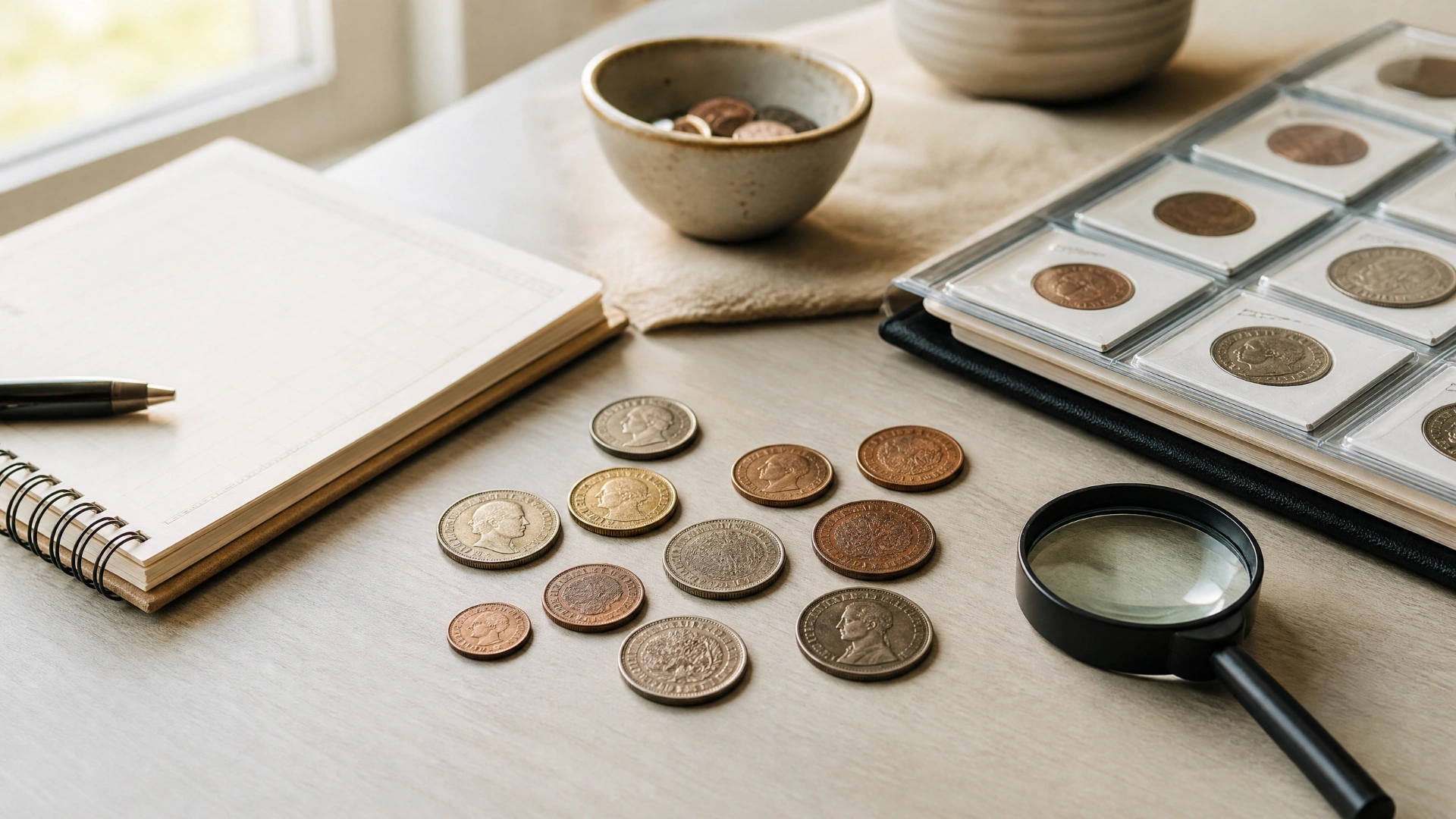
Yes, you can begin collecting coins with pocket change, a small monthly budget, or a handful of inexpensive circulated pieces. The goal at first should be to build knowledge and enjoyment—not to find a guaranteed rare coin.
A collection can start with coins already in your home. Look for older dates, unusual designs, coins from different countries, or pieces connected to a historical period that interests you.
A focused collection usually grows more successfully than a random pile of coins. Even a $10 monthly budget can help you build a date set, denomination collection, or group of world coins over time.
Choose a Collecting Theme Before You Buy
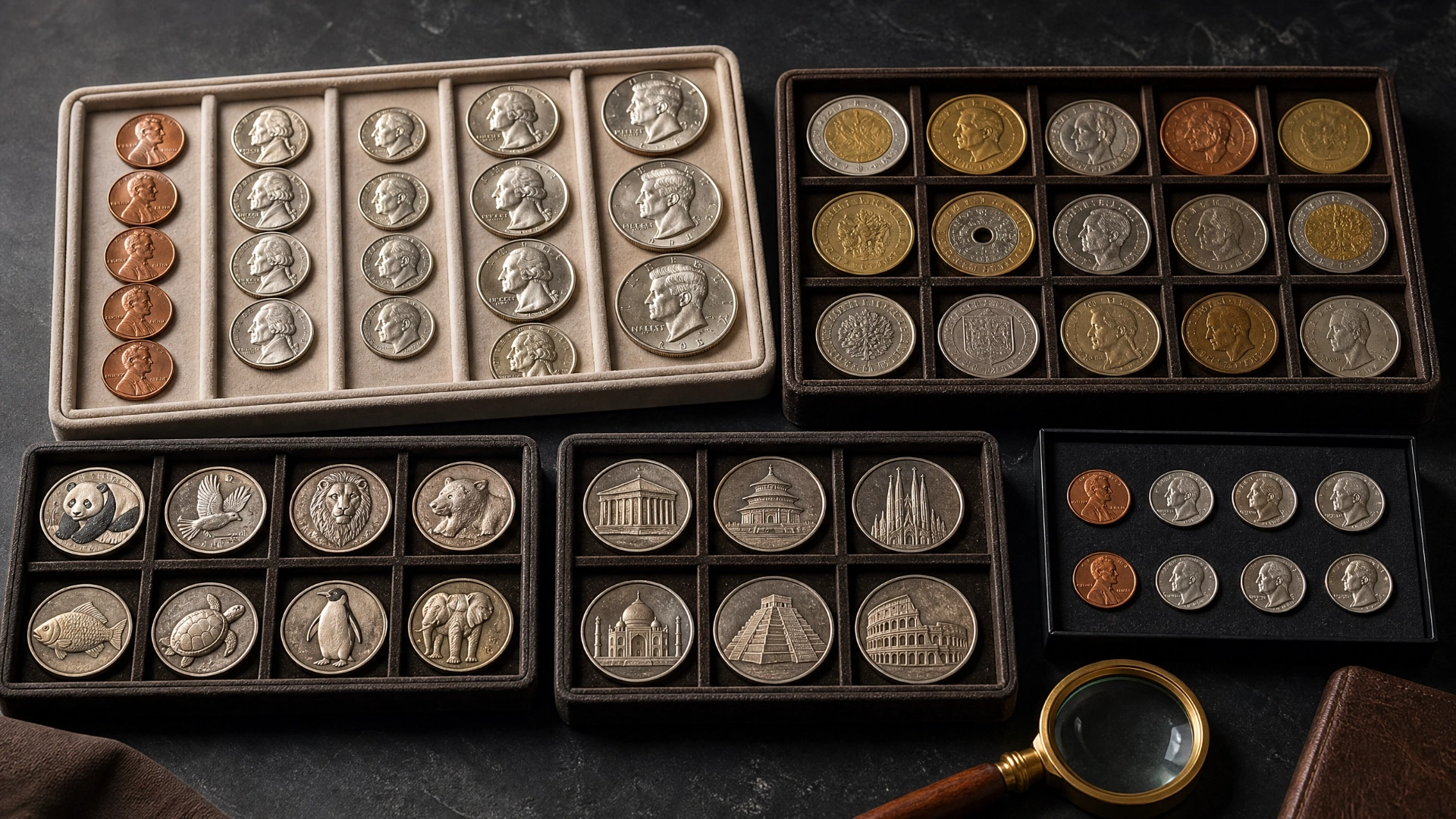
Choosing one collecting theme helps you avoid impulse purchases and makes a small budget go further. A theme also gives you a clear way to measure progress as you learn.
Possible beginner themes include:
- Lincoln Wheat cents by date and mint mark.
- U.S. coins from a particular century.
- Coins featuring animals, buildings, or historical figures.
- One denomination, such as nickels or half dollars.
- Coins from a particular country or region.
- Coins connected to Arizona, the Old West, or a family history.
A theme does not have to be permanent. You can begin with modern quarters and later move into our full range of U.S. coins, world coins, or certified examples as your interests develop.
Affordable Collection Themes for Beginners
Date-and-mint-mark sets are a classic choice because they provide a checklist and allow you to begin with common examples. A mint mark is a small letter on a coin identifying the mint where it was produced.
Type collections are another flexible option. Instead of collecting every date, you collect one example of each major design, such as a Lincoln cent, Buffalo nickel, or Mercury dime.
Set a Coin-Collecting Budget That You Can Maintain
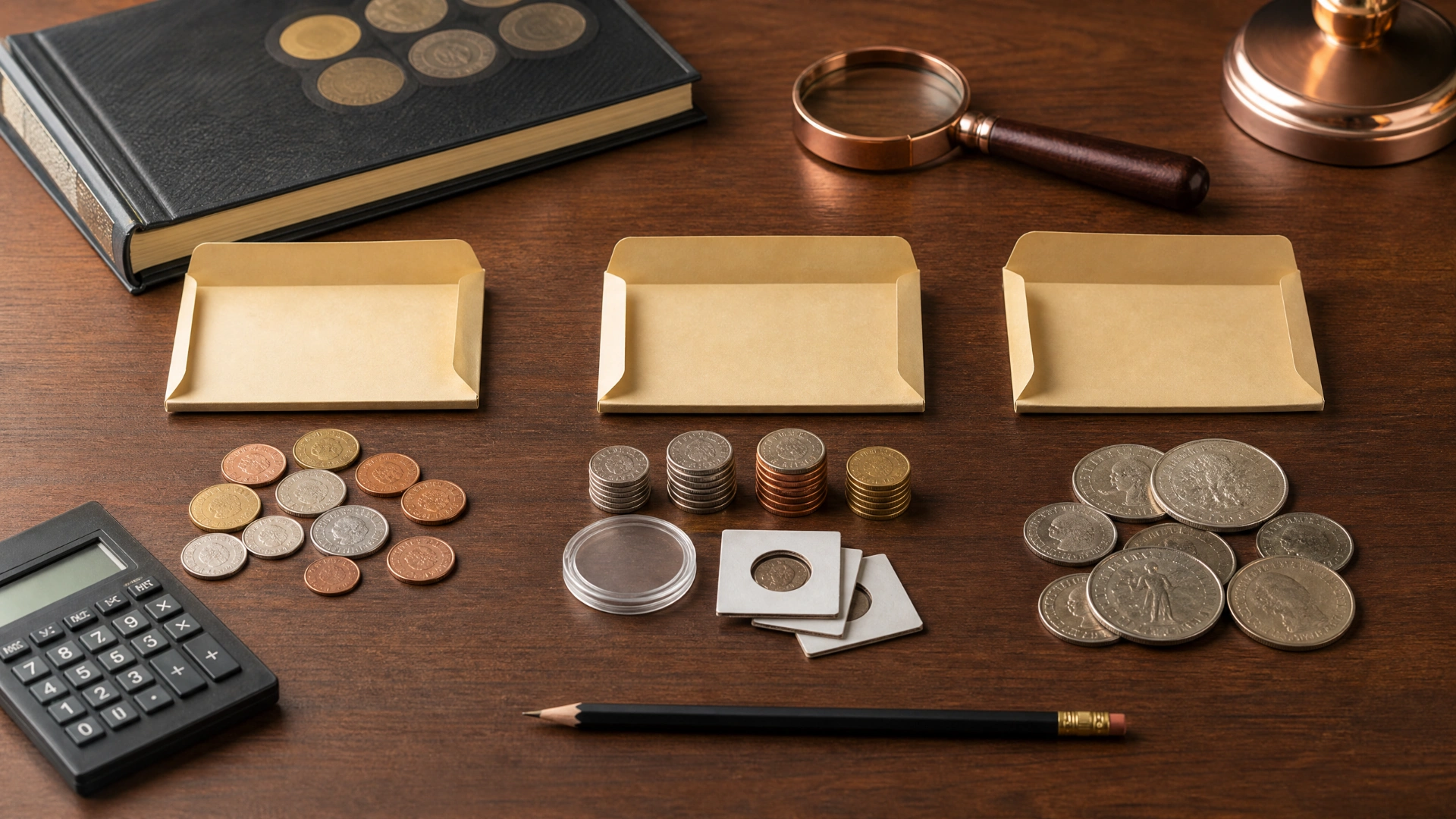
The best coin-collecting budget is one you can maintain without using money needed for bills, savings, or other priorities. Decide on a monthly or per-purchase limit before shopping.
Collectors can use a simple three-part approach:
- Set aside money for coins.
- Reserve a small amount for albums, holders, or reference books.
- Save for occasional higher-quality purchases.
Investors should separate collectible purchases from bullion purchases. Spot price is the current market price of a precious metal before dealer charges and other costs. Premium is the amount added to a bullion item's metal value for manufacturing, distribution, scarcity, or demand. Melt value is the estimated value of the metal in an item if it were melted, based on its weight and purity.
A silver coin may have both bullion and numismatic interest. Numismatic means relating to the study and collecting of coins, currency, medals, and tokens. Its final price may depend on silver content, rarity, condition, and collector demand—not just the spot price.
Example Starter Budgets
With $10 per month, a beginner might focus on affordable circulated cents, nickels, modern sets, or common world coins. With $25 per month, the collector may add better-preserved examples or occasional older U.S. coins.
A $50 monthly budget can provide more flexibility for silver issues, scarce dates in lower grades, or certified coins purchased occasionally. These are planning examples, not guaranteed price ranges; availability and market conditions change.
Best Affordable Coins for Beginner Collectors
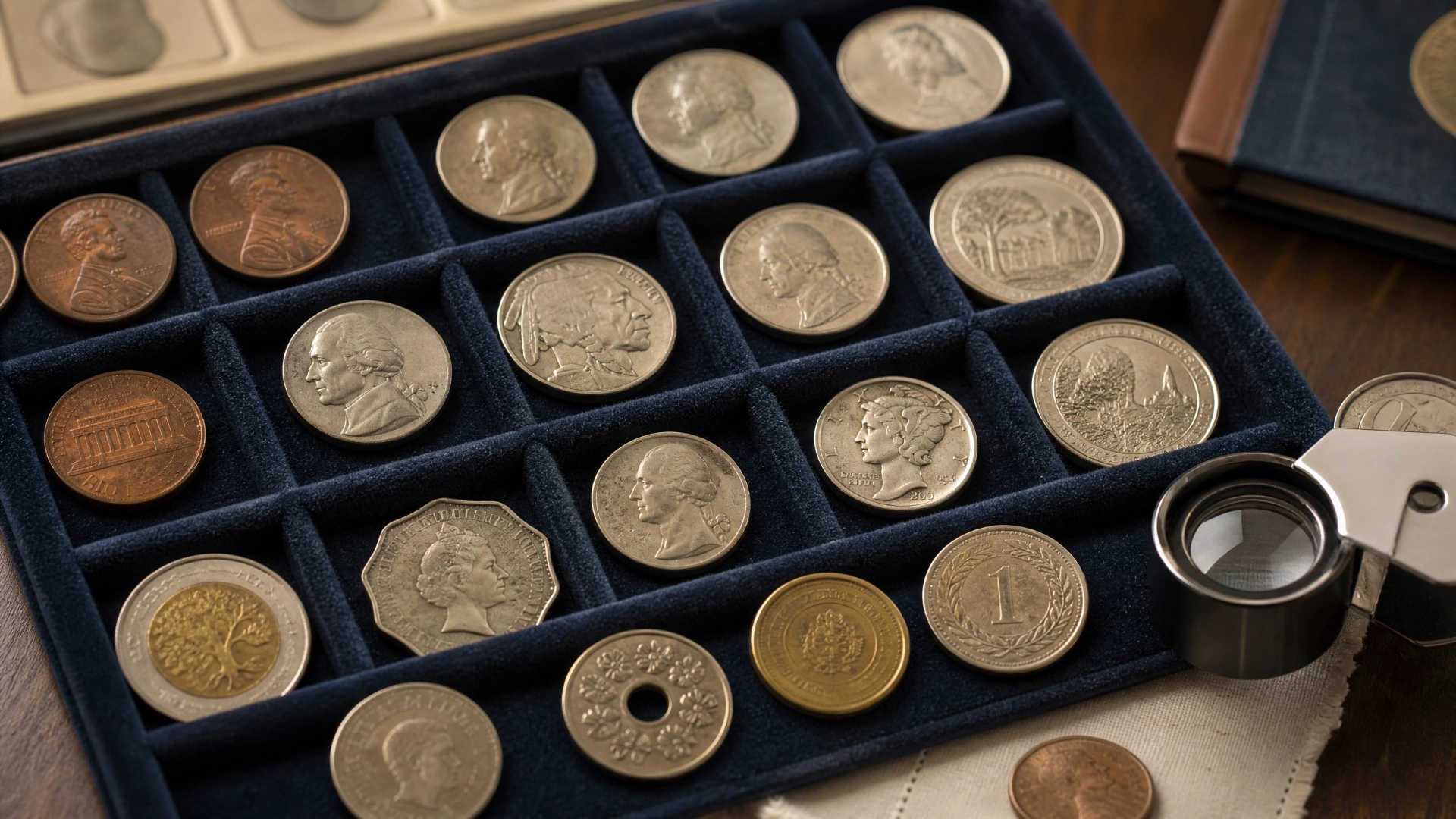
The best affordable coins for beginners are widely available, easy to research, and interesting enough to encourage continued learning. Common examples include Lincoln Wheat cents, Jefferson nickels, Buffalo nickels, state quarters, and selected world coins.
A coin's age alone does not determine its value. Date, mint mark, rarity, errors, originality, demand, and condition can all affect price.
Lincoln Wheat Cents
Lincoln Wheat cents were U.S. one-cent coins issued from 1909 through 1958, making them an accessible historical series. Beginners can collect them by date, mint mark, or design variation.
Start with common circulated examples and record the dates you find. Avoid cleaning them, since polishing or chemical treatment can permanently reduce collector appeal.
Jefferson Nickels
Jefferson nickels offer an inexpensive way to explore dates, mint marks, and changes in U.S. coin production. They are often affordable in circulated condition and can be collected as a complete date series.
Some nickels made during World War II contain silver rather than the usual copper-nickel composition, a wartime change documented on the U.S. Mint's nickel history page. These wartime issues can introduce beginners to the relationship between a coin's metal content and its collector interest.
Buffalo Nickels
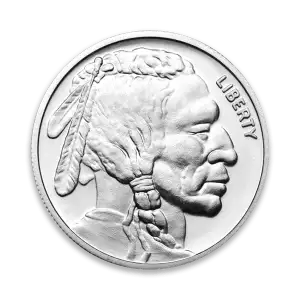
Buffalo nickels are popular because of their distinctive American design and early 20th-century history. Many circulated examples show heavy wear, especially on the date and the buffalo's horn.
When comparing Buffalo nickels, look for readable dates, visible design detail, and natural surfaces. A worn example can still be an excellent addition to a beginner collection, even if it is not rare.
Roosevelt and Mercury Dimes
Modern Roosevelt dimes can be collected by date, mint mark, or special finish, while Mercury dimes offer a more historical series from 1916 through 1945. The two groups appeal to different budgets and collecting goals.
Do not assume that every old dime is valuable. Some dates are common, while others are scarce or difficult to find in better condition.
State Quarters and Modern Series
State quarters and other modern series are good choices for families and collectors who enjoy completing sets. Many can be found in circulation, although coins handled frequently may have scratches or other marks.
Collectors who want sharper examples can look for uncirculated coins. Uncirculated describes a coin that has not experienced normal circulation wear, although it may still have production or storage marks.
Common World Coins
World coins can be collected by country, date, denomination, design, or historical era. They are often an engaging option for beginners because a small budget can produce a visually varied group — you can explore our world coin collection to see current inventory.
Before assigning value, identify the country, denomination, date, and writing on the coin. A basic reference book or knowledgeable dealer can help with unfamiliar languages and denominations.
Raw, Circulated, or Certified Coins: What Should Beginners Buy?
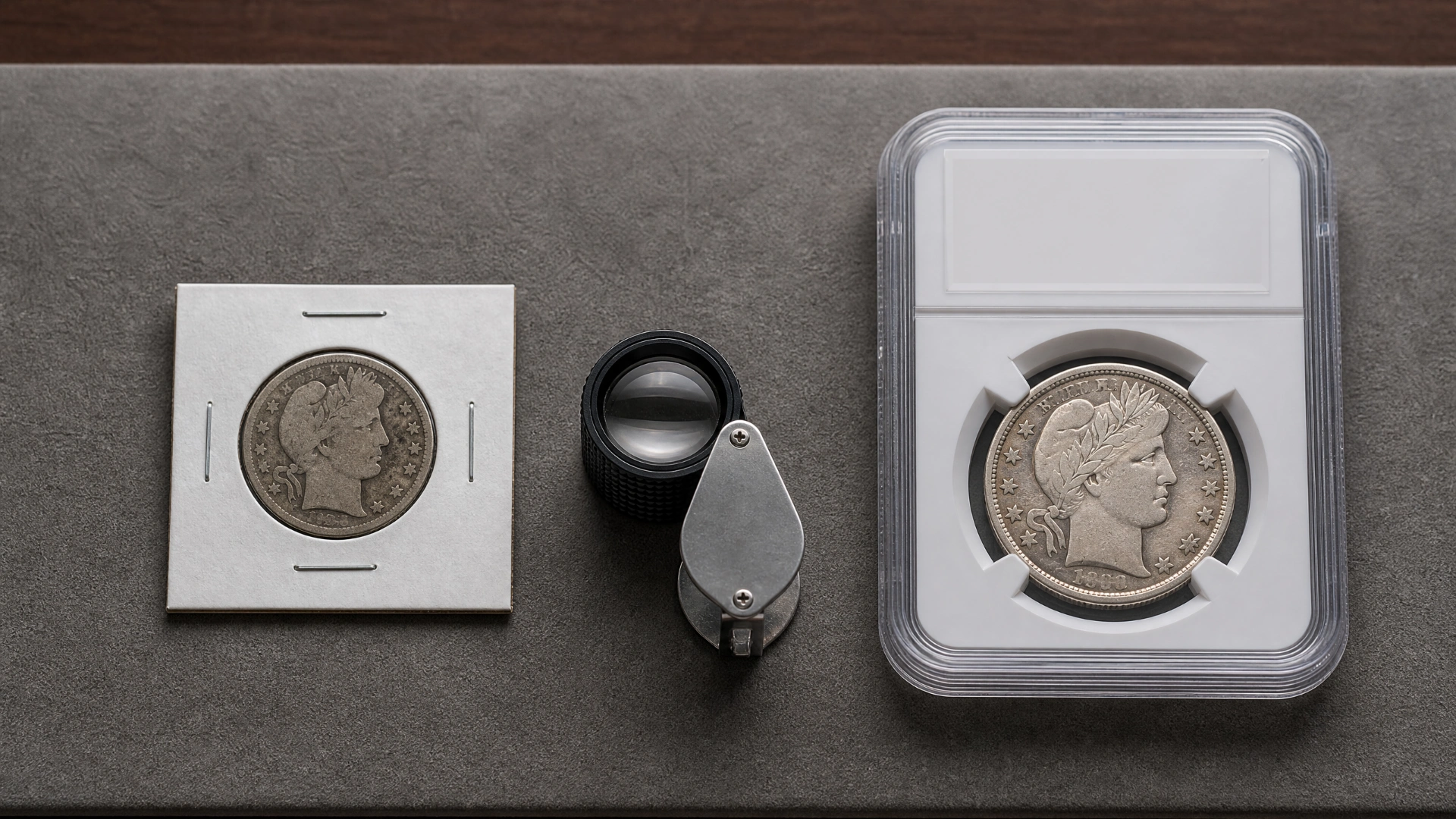
Beginners can buy raw circulated coins when learning, but certified coins may be appropriate for more valuable or difficult-to-authenticate pieces. The right choice depends on the coin, budget, and purpose of the purchase.
A raw coin is a coin that has not been professionally authenticated, graded, and sealed in a certification holder. A circulated coin has been used in commerce and shows varying degrees of wear.
A certified coin has been examined by a third-party grading service and placed in a protective holder. Certification may make sense when authenticity, condition, or resale confidence is especially important.
When a Certified Coin May Make Sense
Certification can be useful for a scarce date, an expensive coin, a possible error, or a coin whose condition significantly affects value. It can be less practical for inexpensive common-date coins if the grading cost would represent a large portion of the coin's value.
PCGS is Professional Coin Grading Service, a third-party company that authenticates and grades coins. PCGS explains that its PCGS grading standards use a 1-to-70 scale to describe a coin's condition.
NGC is Numismatic Guaranty Company, a third-party service that authenticates, grades, and encapsulates coins. NGC also uses the internationally recognized 1-to-70 scale for problem-free coins, outlined in NGC's grading scale.
Certification does not guarantee that a coin will increase in value. It provides authentication, standardized condition information, and a protective holder, while market demand still determines what buyers may be willing to pay.
Coin Grading Basics for a Small-Budget Collector
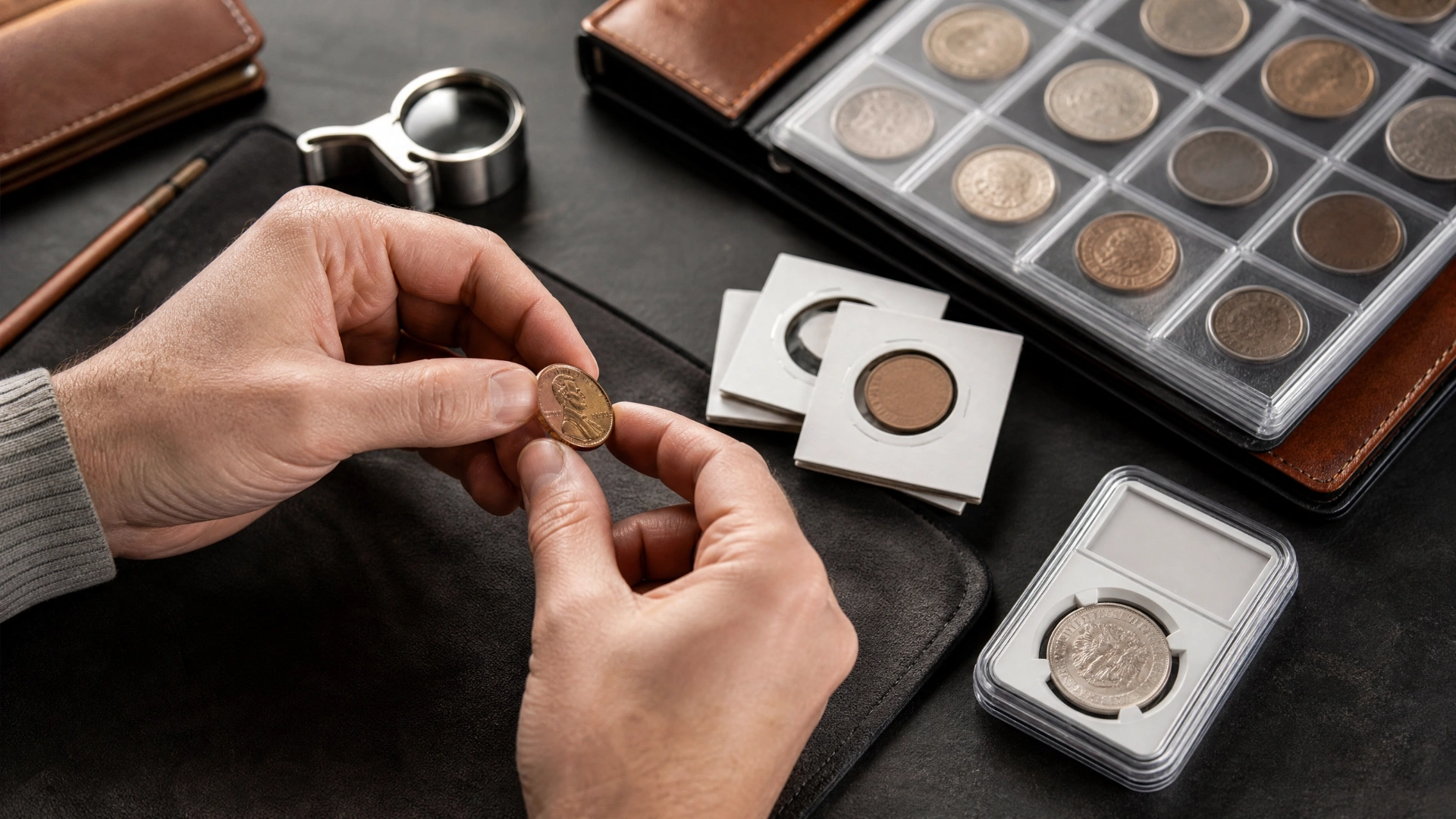
Coin grading is the evaluation of a coin's physical condition, including wear, marks, luster, strike, and overall appearance. The American Numismatic Association's collecting guidance emphasizes education, specialization, and patience as important principles for successful collecting.
This 1-to-70 scale used by PCGS and NGC is known as the Sheldon scale, with higher numbers indicating stronger preservation. However, two coins with the same numerical grade can still differ in color, originality, eye appeal, and surface quality.
Learn to compare coins in person whenever possible. Good lighting, careful observation, and repeated practice are more useful than relying on a single photograph or a dramatic online price claim.
How to Buy Affordable Coins Without Overspending
Buy affordable coins from sellers who provide clear descriptions, answer questions, and explain how condition or rarity affects the price. Compare similar coins before purchasing and avoid pressure to buy immediately.
A low price is not automatically a bargain. A damaged, altered, counterfeit, or cleaned coin may be inexpensive because collectors generally discount it.
Questions to Ask Before a Purchase
Ask whether the coin is authentic, cleaned, damaged, certified, or being sold mainly for its metal content. Also ask how the seller determined the price.
If you are buying online, review photographs carefully and confirm the seller's return policy before completing the purchase.
Buying Online Versus In Person
Online buying can be convenient for locating specific dates, certified coins, and specialized material. In-person buying is useful when you are still learning to identify wear, surface problems, and differences between similar examples.
Collectors in Phoenix, Peoria, and nearby Arizona communities can seek face-to-face guidance from a licensed dealer. Nationwide collectors can also use an established online store, provided the seller clearly describes the item and buying terms.
Protect and Organize Your Collection
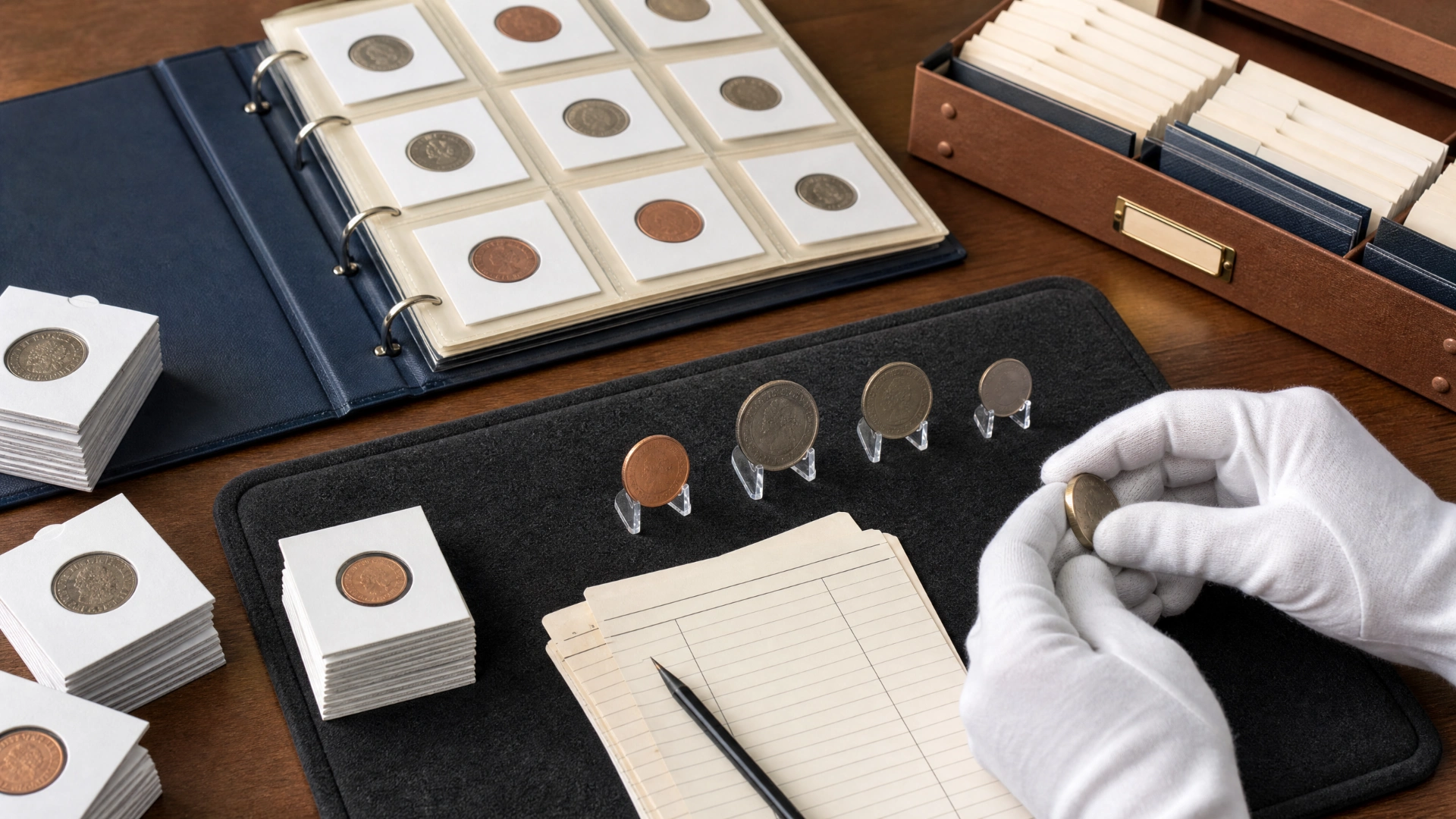
The simplest way to protect a collection is to use appropriate holders, handle coins by their edges, and keep them in a stable, dry environment. Never clean collectible coins with household products, polishing cloths, or abrasive materials.
Useful storage options include albums, archival flips, and 2x2 holders. Avoid materials that may contain chemicals that react with coin surfaces over time.
Create a Simple Collection Inventory
Record each coin's date, mint mark, purchase price, source, condition notes, and certification number if applicable. An inventory helps identify duplicates and shows which parts of a set still need attention.
It can also support a future appraisal or insurance record. PMG is Paper Money Guaranty, a third-party service that authenticates and grades banknotes, not coins. It may become relevant if your collecting interests expand into paper currency.
Common Beginner Mistakes to Avoid
The most common beginner mistakes are impulse buying, cleaning coins, assuming age equals rarity, and trusting unsupported value claims. These errors can be avoided through research and patient buying.
Other warning signs include:
- Buying a coin solely because it is described as "rare."
- Spending a large amount before learning basic grading.
- Treating a damaged coin as a high-grade example.
- Ignoring authenticity when a price seems unusually low.
- Buying bullion without understanding premium and melt value.
- Failing to keep receipts or collection records.
Learning from a small mistake is part of collecting. The greater danger is repeating the same mistake with increasingly expensive coins.
When Should You Have a Coin Appraised or Graded?
You should consider professional help when a collection includes inherited coins, older gold, scarce dates, possible errors, or items needed for insurance documentation. An appraisal and third-party grading are different services.
A complementary appraisal is an initial dealer evaluation that provides an opinion about identity, condition, and potential market value. An insurance appraisal is a detailed paid report prepared to document items for coverage or a claim.
Third-party grading is focused on authentication and condition, while an appraisal may address a collection's value for selling, estate planning, or insurance. Our coin selling and appraisal service can help you determine which fits your purpose before you submit the coins.
Starting a Coin Collection in Phoenix or Peoria with Copper State
Beginners in the Phoenix metro area can combine online research with in-person education, but a knowledgeable local dealer offers advantages that online marketplaces, pawn shops, and big-box buyers may not. A specialist can help you compare similar coins, identify cleaned or damaged pieces, understand whether a purchase is collectible or primarily bullion, and build a collection around your actual interests.
Copper State Coin & Bullion provides that one-on-one guidance at our Peoria and Phoenix locations, backed by more than 40 years of numismatic and bullion experience. Instead of relying only on photographs, seller descriptions, or general price claims, beginners can discuss dates, mint marks, condition, and collecting goals with a licensed dealer.
Our team can also help collectors decide when an affordable raw coin makes sense and when authentication or third-party grading may be worthwhile, drawing on our team's numismatic experience. For collectors outside Arizona, Copper State's online store and want list service provide access to inventory and specific items without requiring an in-person visit.
Build Slowly and Let Your Collection Evolve
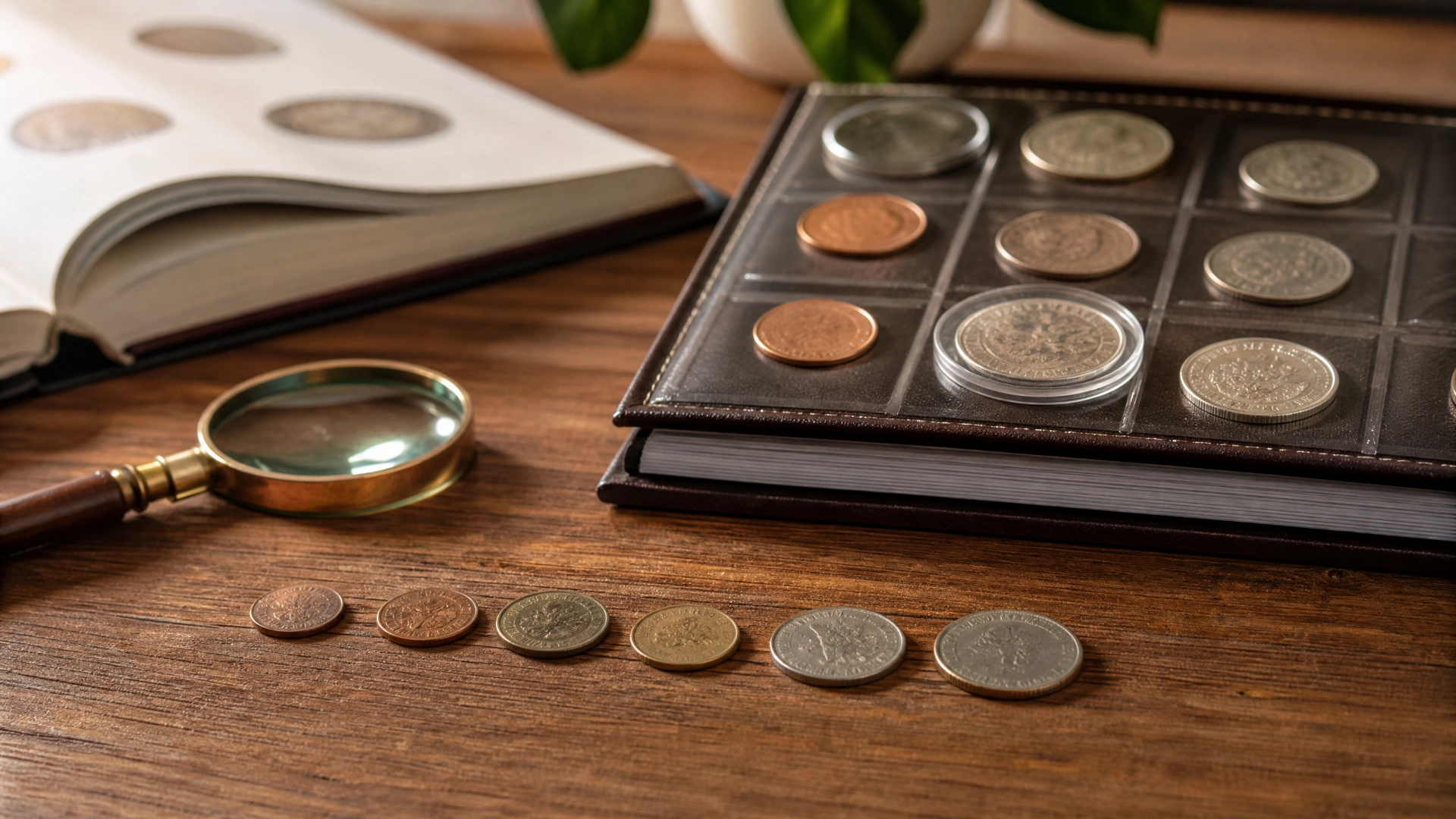
A successful beginner collection is built around curiosity, consistency, and a manageable budget—not the largest possible purchase. Start with coins you enjoy, learn why they differ in value, and improve the quality of your collection gradually.
Over time, a small collection may develop into a specialized set, a group of certified coins, a bullion-and-numismatic combination, or a family history project. The most important early purchase is often a reliable reference source or an opportunity to examine coins with an experienced collector.
Frequently Asked Questions
Q: How do I start a coin collection on a small budget?
A: Choose one theme, set a repeatable spending limit, and buy gradually. Begin with circulated coins or modern series while learning how date, mint mark, condition, and rarity affect value.
Q: What are the best cheap coins to collect?
A: Lincoln Wheat cents, Jefferson nickels, Buffalo nickels, state quarters, and common world coins are practical starting points. "Cheap" does not mean every example has the same value; date, condition, and demand still matter.
Q: What coins can I collect for under $10?
A: Many circulated cents, nickels, modern series coins, and common world coins can fit a budget under $10. Prices vary, so compare the exact date, mint mark, condition, and authenticity.
Q: Is coin collecting a good investment for beginners?
A: Coin collecting can be educational and financially meaningful, but low-cost coins are not guaranteed investments. Investors should understand liquidity, premiums, metal content, rarity, and the difference between a dealer's buying and selling prices.
Q: Should I collect coins by date, mint mark, type, or theme?
A: Choose the method that best matches your interests and budget. Date-and-mint-mark sets offer structure, while type or theme collections provide more flexibility.
Q: Are old coins always worth more than new coins?
A: No, old coins are not automatically more valuable than new coins. Rarity, condition, demand, errors, precious-metal content, and authenticity can matter more than age.
Q: How can I tell if a coin has been cleaned?
A: Look for unnatural brightness, fine parallel scratches, altered texture, or an appearance that does not match normal circulation. Do not clean the coin; ask an experienced dealer or grading professional for an opinion.
Q: Should beginners buy graded coins?
A: Beginners should buy graded coins when authentication or condition is especially important, but raw coins can be appropriate for inexpensive learning sets. Certification is usually more useful for scarce, valuable, or difficult-to-authenticate pieces.
Q: Where can I buy affordable coins in Phoenix or Peoria?
A: You can buy affordable coins from Copper State Coin & Bullion in Peoria or Phoenix, or browse its online store for collectible coins available nationwide. The Peoria location is at 8360 W. Thunderbird Road C#103, and the Phoenix location is at 4550 E Bell Road Suite 188; call (623) 432-3953 or (602) 377-1944 for assistance.
Q: Can I get a coin appraisal in Arizona?
A: Yes, Copper State Coin & Bullion offers complementary appraisals for people who want an initial evaluation of coins, currency, or bullion. A paid insurance appraisal may be more appropriate when you need detailed documentation for coverage or a claim.
Q: Where should I sell a beginner coin collection in Phoenix?
A: Copper State Coin & Bullion can evaluate a beginner collection and explain which items may have numismatic, bullion, or limited resale value. Organize the coins, avoid cleaning them, and call the Phoenix location at (602) 377-1944 before visiting if you would like to discuss the collection first.
Q: How should I store a small coin collection?
A: Store coins in appropriate archival holders or albums in a dry, stable environment and handle them by the edges. Keep an inventory with dates, mint marks, purchase information, and certification details.
Visit Us or Shop Online
Ready to start a collection with a clear budget? Visit Copper State Coin & Bullion for knowledgeable guidance, browse the online store for affordable collectible coins, or submit a want list if you are searching for a specific date, series, or theme.
Peoria:
8360 W. Thunderbird Road C#103
Peoria, AZ
(623) 432-3953
Phoenix:
4550 E Bell Road Suite 188
Phoenix, AZ
(602) 377-1944
Both locations are open Monday through Friday, 9 a.m. to 5 p.m., and Saturday, 9 a.m. to 4 p.m. They are closed Sunday. Call for a complementary appraisal or visit us to discuss a practical way to build your collection within your budget.